
Competition in the mobile processor market is intensifying with TSMC’s next-generation manufacturing technologies. The advanced TSMC 2nm N2P process, in particular, is set to usher in a new era for Android giants Qualcomm and MediaTek. This strategic move appears to be a direct response to Apple reserving a significant portion of the standard N2 production capacity, pushing its rivals toward a more advanced technology.
Why the Shift to TSMC 2nm N2P Process?
TSMC offers its 2nm manufacturing technology in two versions: the standard N2 and the enhanced N2P. According to recent reports, Apple has secured nearly all of the standard N2 production for its upcoming A20 and A20 Pro chips. Consequently, this has prompted Qualcomm and MediaTek to make a pivotal decision. Both companies will now use the N2P process for their flagship chips, which are scheduled for release in the second half of 2025. The primary goal of this strategy is to achieve higher CPU frequency speeds and gain a performance advantage over Apple’s chips.
New Generation Flagships Will Draw Power from Here
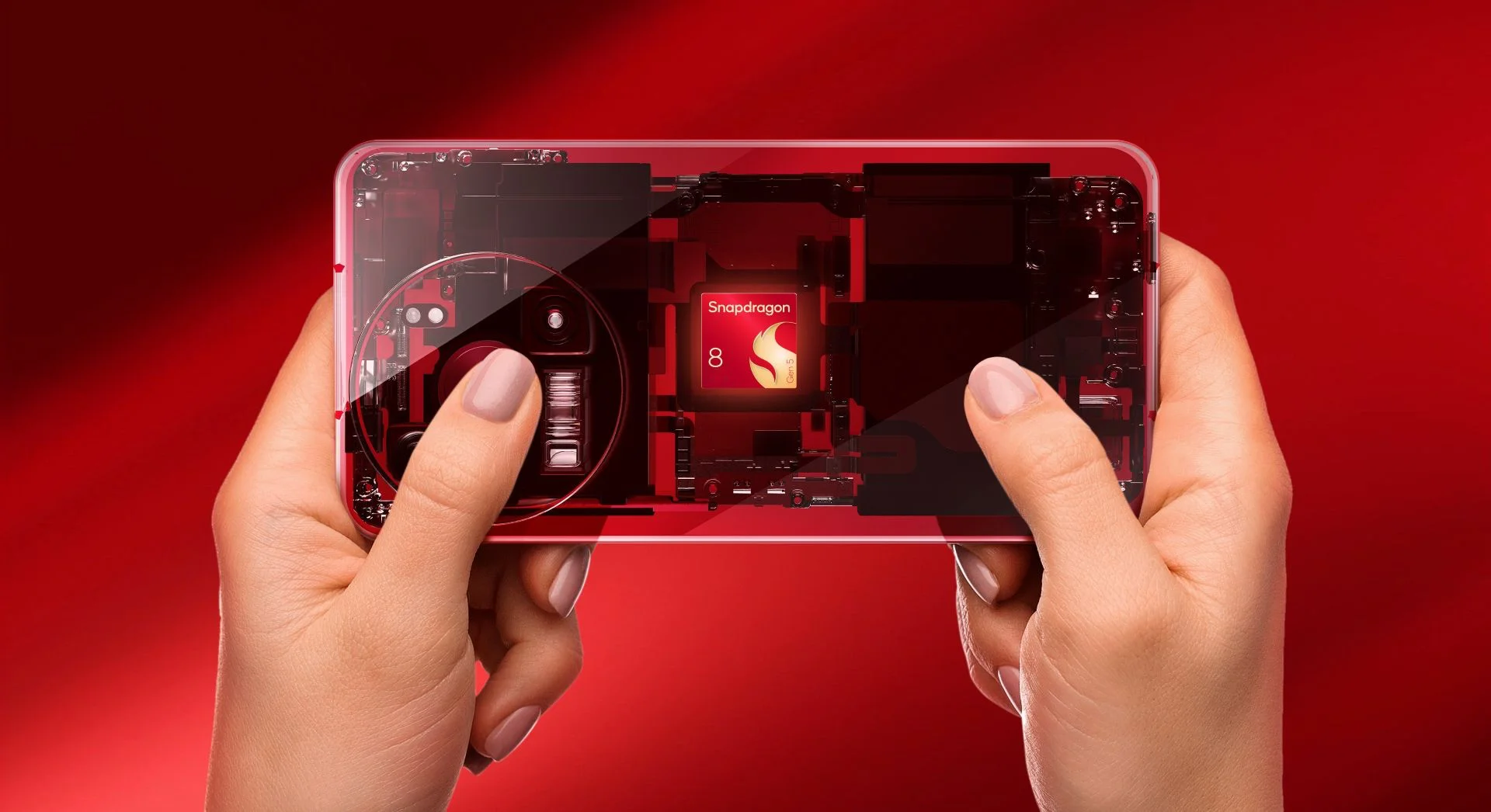
At the heart of this strategic shift are two highly anticipated chipsets: Qualcomm’s Snapdragon 8 Elite Gen 6 and MediaTek’s Dimensity 9600. The use of the N2P process will not only provide these chips with raw power but also deliver significant improvements in energy efficiency. As a result, future Android flagship phones could offer both superior performance and longer battery life.
The main advantages offered by the N2P process include:
- Higher clock speeds compared to the standard N2 process.
- Improved power efficiency and reduced heat generation.
- A significant performance edge in the competition against Apple.
Furthermore, this technology shift also ensures that both chipmakers can secure a sufficient supply of wafers. This allows them to execute their production plans without being affected by the high demand created by Apple.
So, what are your thoughts on the TSMC’s new 2nm chip process? Share your opinions with us in the comments!