
TSMC Accelerates 2nm Production to Meet Global AI Demand

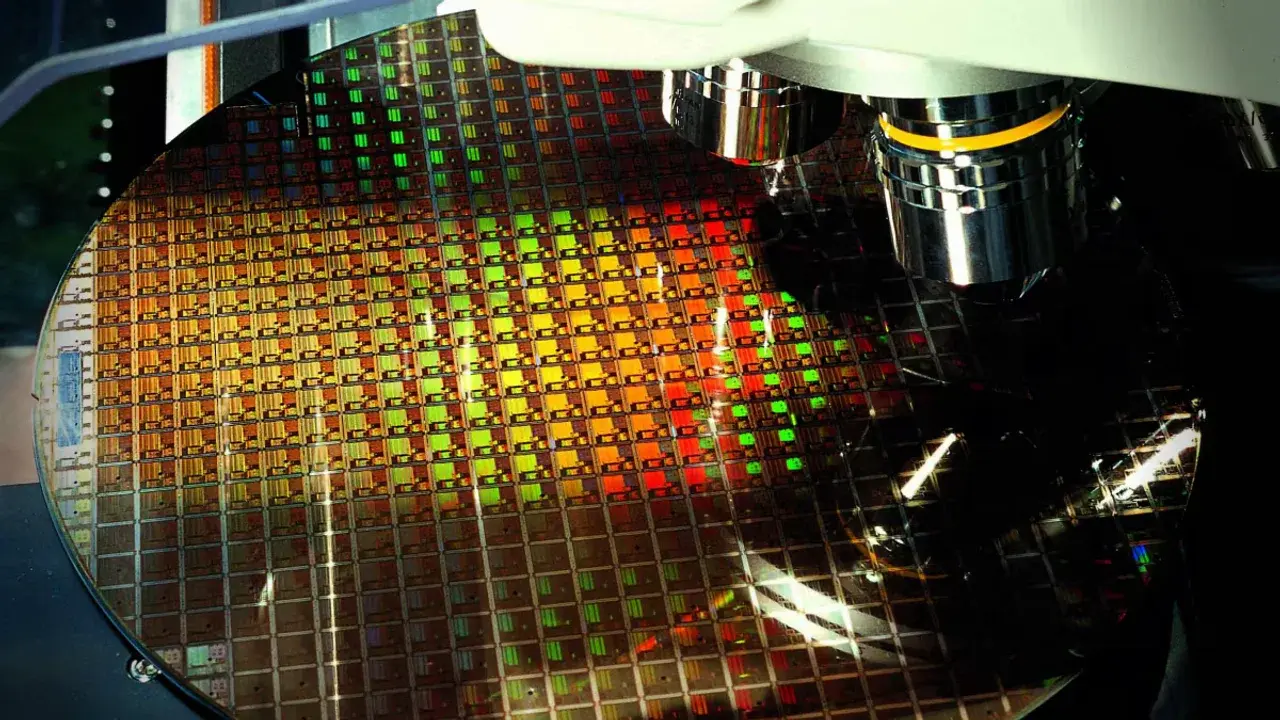
Semiconductor giant TSMC is rapidly scaling its 2nm manufacturing capacity to address the surging demand for artificial intelligence chips and high-performance computing components. During the 2026 Technology Symposium, company officials confirmed that they are launching five new production facilities this year, marking the fastest expansion phase in the organization’s history. This strategic move aims to solidify TSMC’s market dominance as tech titans like NVIDIA, Apple, Qualcomm, and AMD scramble to secure production slots for their next-generation hardware. By transitioning to a new nanosheet architecture, the company expects to deliver significantly higher efficiency compared to the current 3nm generation.
- TSMC is opening five new production facilities this year to double its historical expansion rate.
- The company projects a 45% increase in total production capacity compared to the 3nm era.
- Advanced packaging capacity for high-performance chips is expected to grow by 80% by 2027.
- Major technology corporations have already secured a significant portion of the initial 2nm supply.
Production Capacity Increases at Unprecedented Rates
The transition to 2nm technology represents a major milestone for the semiconductor industry. Hou Yung-ching, a key representative for the company, noted that running multiple factories on new production processes simultaneously is a first for the sector. This massive infrastructure investment is occurring globally, with expansion efforts active in Arizona, Kumamoto, and Dresden.
The firm plans to build or upgrade nine facilities annually to sustain this aggressive growth trajectory.
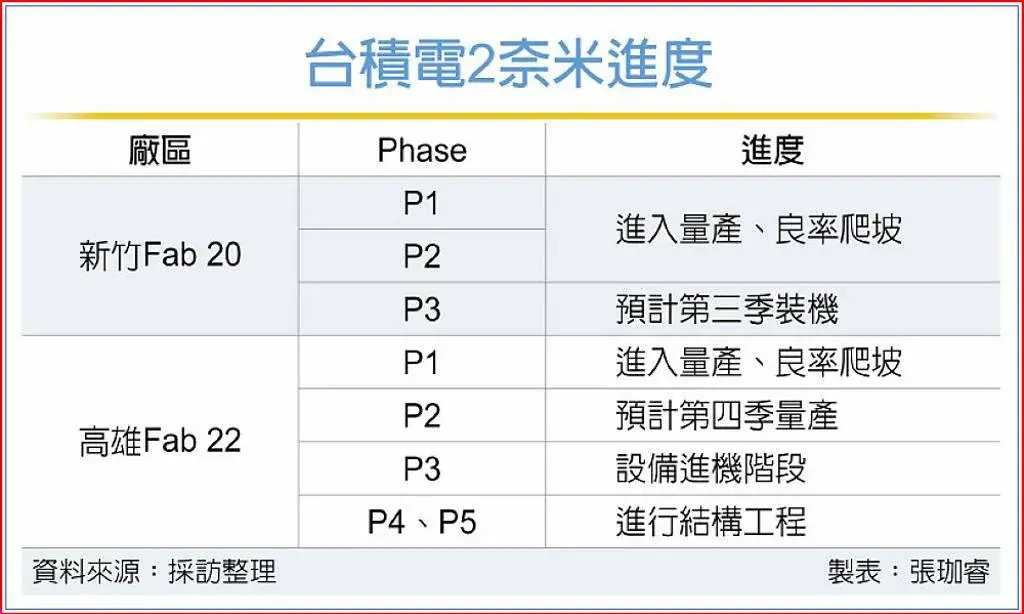
Despite the rapid increase in physical manufacturing sites, industry analysts anticipate that supply constraints for high-performance chips will likely persist in the near term. Apple alone has reportedly claimed more than half of the initial 2nm output, leaving limited availability for other market players. Furthermore, the demand for AI accelerators has spurred an 11-fold increase in wafer shipments, highlighting the critical role TSMC plays in the global AI supply chain.
Advanced Packaging Technologies Receive Massive Investments
Beyond standard manufacturing, TSMC is prioritizing advanced packaging solutions to support the creation of larger, more complex processors. The demand for these sophisticated packaging techniques has skyrocketed by six times as companies seek better power density and performance. Notable improvements in 3D packaging, specifically within the System-on-Integrated-Chips (SoIC) division, have effectively reduced mass production lead times by up to 75%.
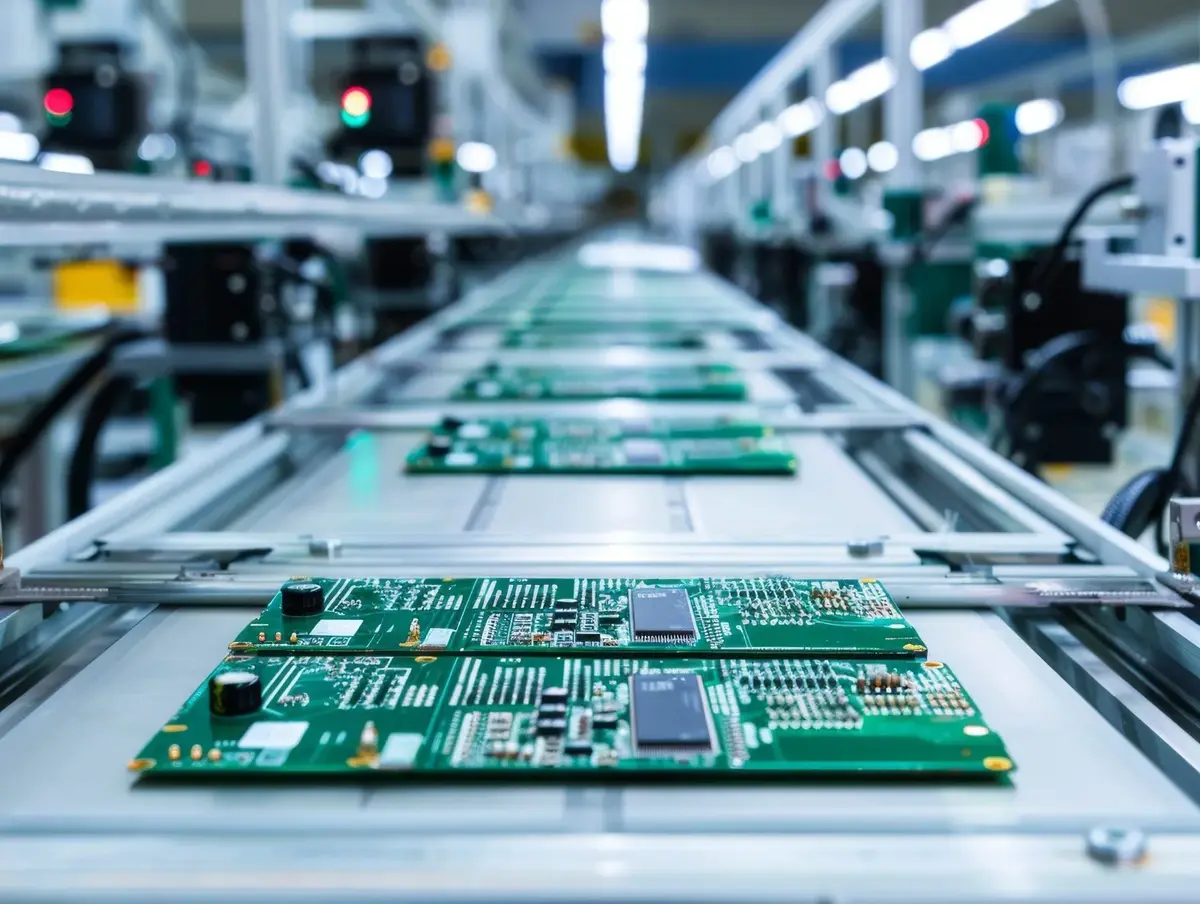
These technological advancements are essential for maintaining the performance gains required by modern data centers and mobile devices. By focusing on both wafer fabrication and integration capabilities, the company is ensuring that it can handle the intense technical requirements of its primary clients. The firm expects its dedicated advanced packaging capacity to expand by 80% by the year 2027, further widening the gap between it and its competitors.
These strategic investments serve as a long-term buffer against the volatility of the global semiconductor market.
The company remains steadfast in its goal of maintaining its leadership position through continuous innovation and infrastructure development. As the semiconductor landscape becomes increasingly complex, TSMC’s ability to execute these large-scale projects will define the future of high-performance computing. Whether these massive investments will eventually balance the supply-demand equation remains a central question for industry experts.
Do you believe that TSMC’s massive investment in 2nm facilities will be sufficient to alleviate the global chip shortage, or will AI demand continue to outpace production? Share your thoughts in the comments below.
Your comment has been submitted,
it will be published after approval.