
TSMC Chip Prices to Rise in 2027 Affecting Global Tech

TSMC, the world’s leading semiconductor manufacturer, has announced plans to increase its chip production fees starting in early 2027. According to reports from Nikkei Asia and industry insiders, the company will implement a price hike ranging between 5% and 10% across its manufacturing processes. This significant decision by the Taiwan-based semiconductor giant stems from rising raw material costs and the substantial financial burden associated with expanding global manufacturing footprints. As a primary supplier for the world’s largest technology firms, this adjustment in TSMC chip prices is expected to trigger a ripple effect, potentially leading to increased costs for consumer electronics and advanced computing hardware worldwide.
- TSMC plans to implement a 5% to 10% price increase for chip production beginning in early 2027.
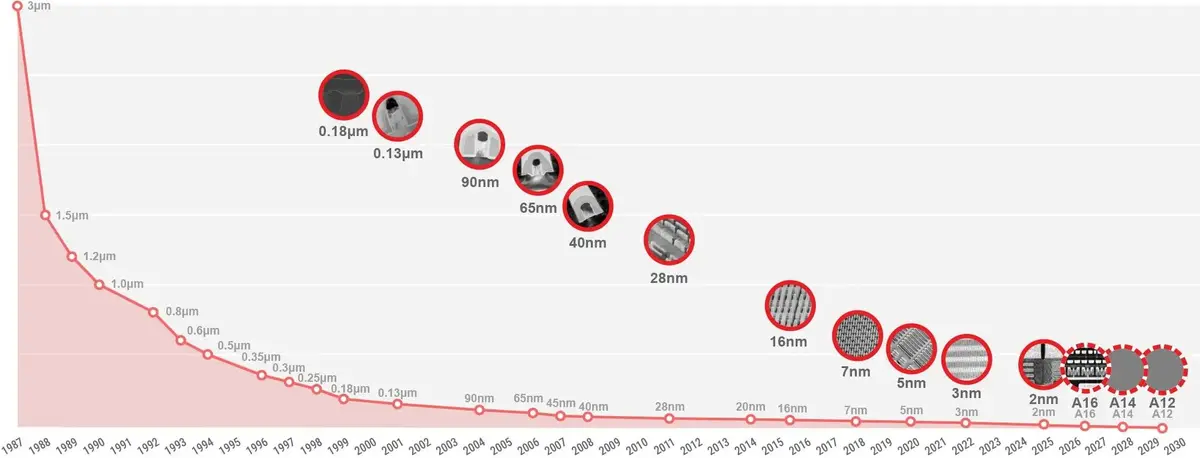
- The price adjustment covers a wide range of architectures from advanced 2nm chips to mature 28nm processes.
- Rising operational costs and the financial demands of global facility expansion drive the company’s decision.
- Major technology corporations are exploring alternative manufacturing strategies to mitigate the impact of these rising costs.
Rising Costs Mandate Price Adjustments for Global Semiconductor Production
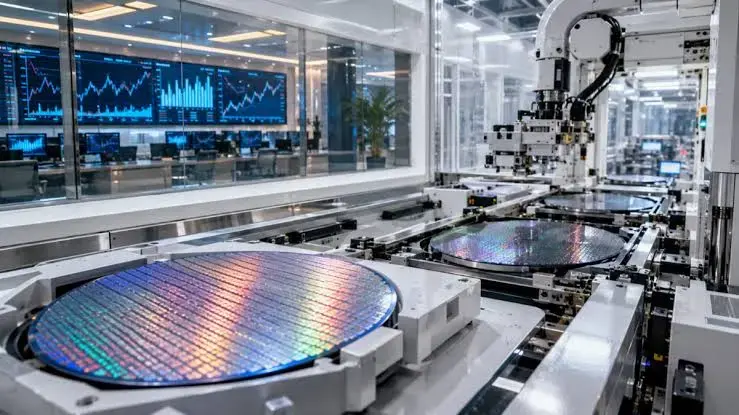
The decision to adjust pricing is not limited to a single technology node but encompasses a broad spectrum of the company’s portfolio. TSMC intends to apply these fee structures across its most cutting-edge 2nm developments as well as its established 12nm, 16nm, and 28nm production lines. Management justifies this increase by pointing to the escalating expenses of specialized raw materials and the high capital expenditure required for sophisticated manufacturing equipment.
Furthermore, the company is currently engaged in an aggressive global expansion strategy, establishing massive fabrication plants in the United States and Europe to address geopolitical risks and supply chain vulnerabilities. While these initiatives are crucial for long-term stability, they impose significant financial pressures on the firm’s balance sheet. Consequently, the company has determined that a price correction is necessary to maintain its industry-leading quality standards.
The impending surge in production costs will inevitably influence the final retail price of smartphones, laptops, and AI-driven server infrastructure.
Major Tech Giants Seek Strategic Alternatives to Manage Expenses
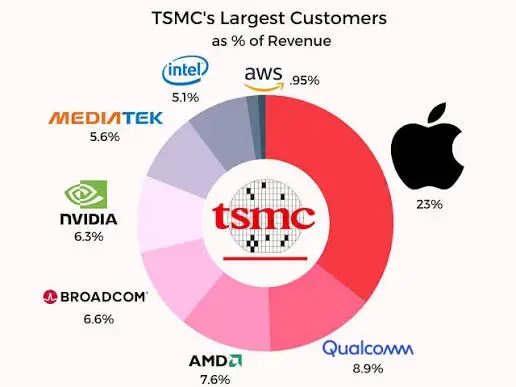
Industry leaders such as Apple, Nvidia, Qualcomm, AMD, and Intel are now reevaluating their long-term supply chain strategies to maintain profit margins. As reliance on a single foundry becomes more expensive, these corporations are actively seeking to diversify their manufacturing partners.
Reports suggest that Apple is currently accelerating discussions with competitors like Samsung Foundry and Intel to reduce its singular dependence on TSMC. Meanwhile, Qualcomm is considering shifting a portion of its flagship Snapdragon production back to Samsung facilities. Intel, on the other hand, aims to increase its internal manufacturing capacity by utilizing its 18A process for upcoming Nova Lake processors, potentially reducing its reliance on external foundries by up to 90%.
The semiconductor market faces a period of significant strategic realignment as corporations prepare for a more expensive manufacturing landscape.
How do you think this shift in semiconductor pricing will influence your next technology purchase in 2027? Share your thoughts and predictions regarding the future of tech hardware costs in the comments section below.
Your comment has been submitted,
it will be published after approval.