


While the heart of chip production continues to beat in Taiwan, the semiconductor giant has made a critical decision. The company is sending hundreds of engineers from its Arizona factory to overseas training to learn next-generation manufacturing techniques. This move is crucial for the seamless implementation of TSMC’s 2nm technology and 3nm processes, which will become the future standard, in the US.
When will TSMC’s 2nm technology be ready?
Currently, the Arizona facility is focused on 5nm and 4nm production. However, according to a report by Liberty Times Net, the target will expand as the engineers gain experience. The Taiwanese factory aims to reach a monthly capacity of 100,000 wafers by the end of 2026, and the capacity is already fully booked. This high volume further enhances the importance of training.
Construction of the second factory in the US is underway, and 3nm production is expected to begin in the third quarter of 2027. The target for trial production of the truly revolutionary 2nm and A16 processes is set for 2028.
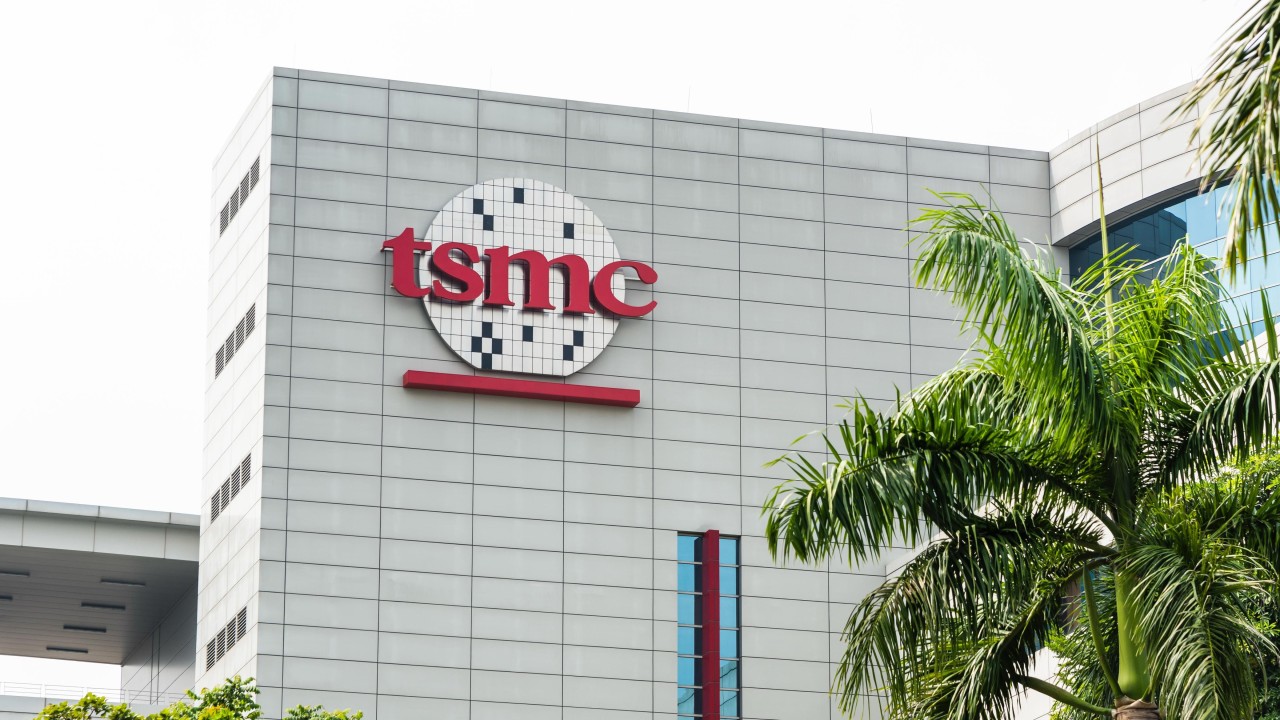
Exploding demand in the industry is forcing manufacturers to increase capacity. According to JPMorgan analysts, 3nm capacity will reach its limits by 2026. To meet this demand, TSMC plans to build three new facilities in its home country with an investment of $28.6 billion.
The biggest customers for the future technology are also familiar. According to reports, Apple has already secured more than half of the first 2nm batch for its upcoming A20 and A20 Pro processors. Graphics giant NVIDIA is reportedly planning to exclusively use the A16 node in its next-generation GPU models.
So, do you think TSMC’s training initiative and TSMC 2nm technology can prevent a chip crisis? Share your thoughts with us in the comments!