
Turkey and Egypt Launch Strategic HAMZA-1 UAV Production Partnership

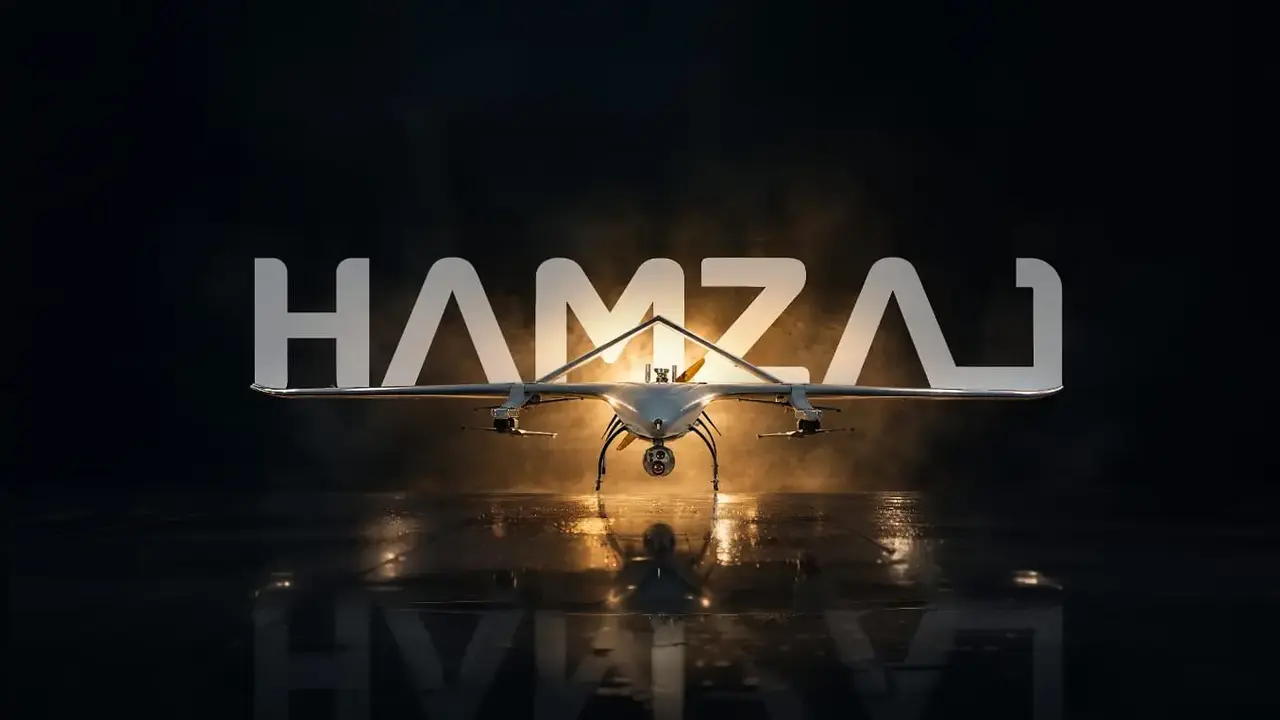
Turkey and Egypt have significantly advanced their defense industry cooperation by launching a strategic partnership for the production of unmanned aerial vehicles. Through an agreement between Turkey’s HAVELSAN and Egypt’s state-controlled Arab Organization for Industrialization (AOI), the two nations have initiated the local assembly and joint production of autonomous systems. The collaboration produced the HAMZA-1, a vertical take-off and landing (VTOL) drone, which was officially showcased at the Egypt Defence Expo (EDEX) in Cairo in December 2025. This initiative aims to bolster Egypt’s domestic defense manufacturing capabilities while establishing a long-term technological pipeline between the two regional powers.
- HAVELSAN and Egypt’s AOI have signed a formal agreement to facilitate the joint production and local assembly of HAMZA-1 unmanned aerial vehicles.
- The HAMZA-1 platform integrates advanced autonomous technologies, including GNSS-independent flight capabilities and target tracking systems, derived from the Turkish BOZBEY series.
- The strategic partnership targets regional expansion by positioning Egypt as a hub for exporting defense technology to other African and Arab nations.
- The collaboration extends beyond aerial systems to include the joint development of unmanned ground vehicles like the AKREP 6×6 platform.
HAMZA-1 Technology Relies on Proven BOZBEY Engineering
The technical foundation of the HAMZA-1 drone is directly linked to the HAVELSAN BOZBEY platform. Analysis from the defense industry indicates that the HAMZA-1 shares critical design features with this established Turkish model. The platform is designed as a fixed-wing VTOL system capable of high-precision reconnaissance and surveillance missions. With a maximum take-off weight of 40 kilograms and a payload capacity of 15 kilograms, it offers significant versatility for security forces. 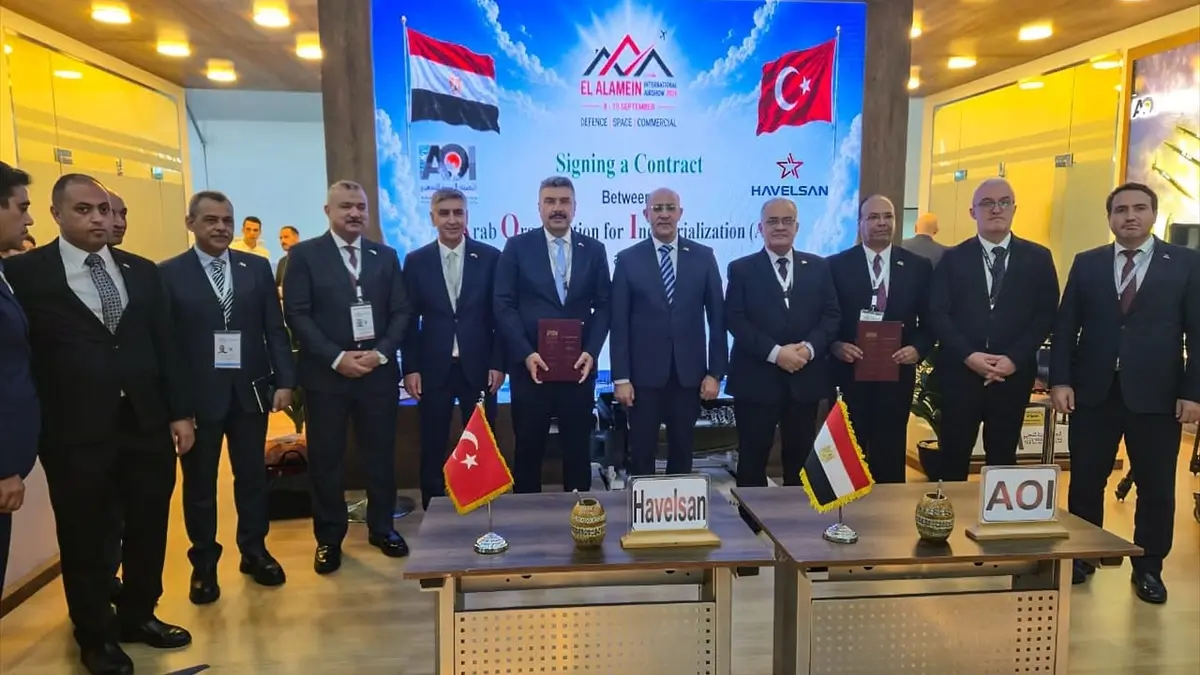
Key performance metrics for this technology include a cruising speed of approximately 80 to 85 km/h and an operational endurance of up to six hours. The system is equipped with advanced electro-optical and infrared sensors, along with laser rangefinders. Furthermore, the drone supports fully autonomous mission profiles, including target detection, tracking, and automatic return-to-base functions in the event of a data link failure.
Engineering Expertise Transfers to Local Manufacturing Models
The development of the HAMZA-1 represents a culmination of years of R&D invested in HAVELSAN’s broader drone family, including the BAHA and BULUT platforms. Each of these systems contributed essential data regarding flight planning, sensor integration, and communication protocols. By transferring this specialized knowledge to the AOI, the partnership ensures that Egypt acquires not just a product, but a sustainable manufacturing process.
The BAHA platform provides a baseline for short-range tactical operations with a two-hour flight time, while the BULUT model focuses on long-endurance surveillance using internal combustion engines. By synthesizing these diverse engineering experiences, the joint venture creates a robust technological framework for the HAMZA-1, allowing it to perform under various operational conditions.
Egypt Serves as a Gateway to African Defense Markets
The collaboration goes beyond simple export-import dynamics, focusing instead on a model of technology sharing. HAVELSAN leadership has emphasized that this project is intended to increase local production capacity while making Egypt a manufacturing hub for the broader African market. By leveraging the AOI’s existing production infrastructure, the two partners aim to satisfy both local security needs and the growing demand from neighboring countries for reliable, autonomous defense solutions.
Beyond the HAMZA-1 project, the partnership is expanding into other sectors of unmanned warfare. During the recent defense exhibitions, the AKREP 6×6 unmanned ground vehicle was displayed alongside the HAMZA-1, signaling a comprehensive roadmap for future cooperation. This multifaceted approach marks a shift toward a deeper, more integrated defense-industrial complex between Turkey and Egypt.
We would love to hear your thoughts on this strategic collaboration between Turkey and Egypt; do you believe this joint production model will redefine regional defense dynamics in the coming years? Share your insights in the comments section below.
Your comment has been submitted,
it will be published after approval.