
Turkey Emerges as a Strategic Actor in NATO 3.0 Era

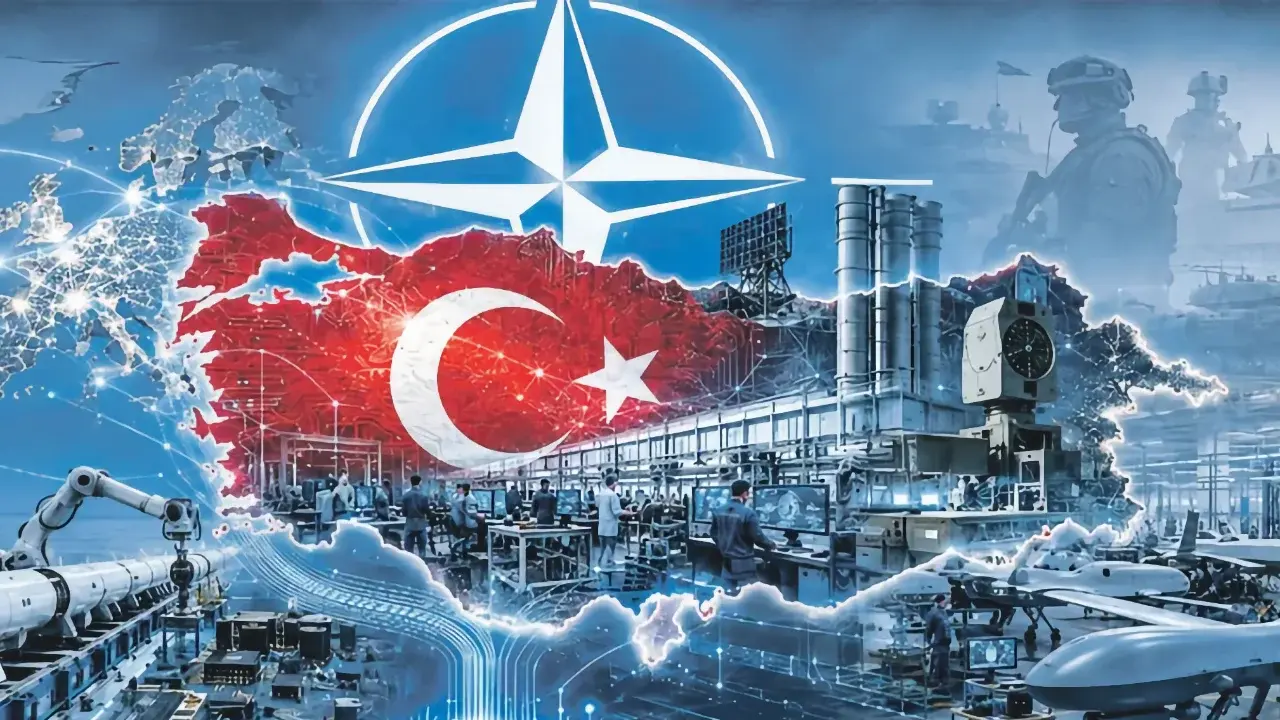
At a recent high-level security session hosted by the London-based think tank Chatham House, Turkish Aerospace Industries (TUSAŞ) General Manager Dr. Mehmet Demiroğlu highlighted Turkey’s pivotal role in the evolving global defense architecture. Addressing the “NATO 3.0” security paradigm, Dr. Demiroğlu emphasized that modern security encompasses far more than traditional military strength, pointing toward the importance of indigenous industrial ecosystems. As the alliance shifts its focus toward technological superiority and resilient supply chains, Turkey’s advancements in aerospace technology are becoming integral to strengthening the collective deterrence of transatlantic allies.
- Dr. Mehmet Demiroğlu identified the NATO 3.0 framework as a shift toward technological superiority and resilient industrial collaboration.
- Turkey’s defense ecosystem is providing essential capabilities that enhance the operational readiness of allied nations.
- The export of the HÜRJET training and light attack aircraft to Spain marks a significant milestone in the integration of Turkish technology into the European defense structure.
Global Security Architecture Undergoes a Major Transformation
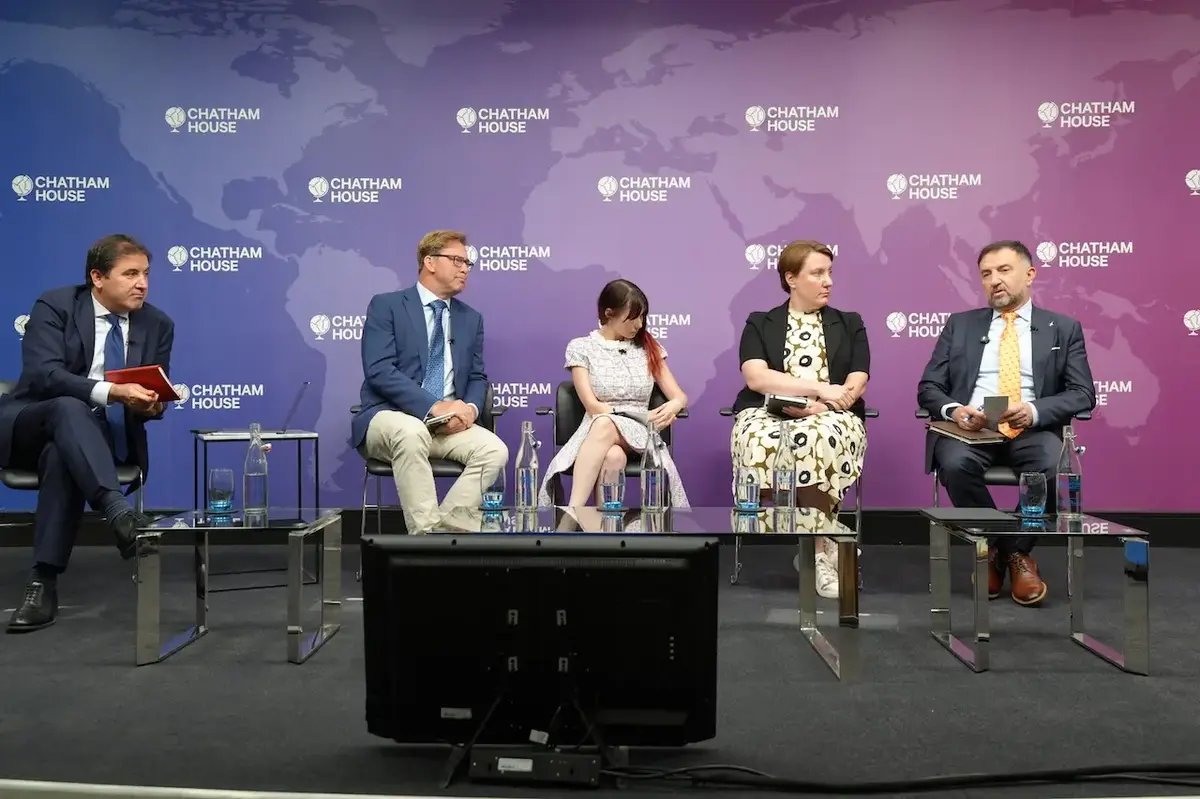
The Chatham House session featured prominent figures including NATO Parliamentary Assembly Secretary General Benedetta Berti and former UK Defense Committee Chair Tobias Ellwood. The discussion focused on how global security threats have fundamentally changed in nature, requiring a departure from legacy military models. Dr. Demiroğlu argued that today’s security landscape demands a comprehensive approach that prioritizes flexible production and rapid innovation.
Modern security is no longer measured solely by troop counts but by the agility of a nation’s defense industrial base.
NATO 3.0 Framework Redefines Defense Expectations
Explaining the conceptual shift of NATO 3.0, Dr. Demiroğlu noted that the alliance is moving toward a model defined by sustainability and technological depth. This new paradigm emphasizes the creation of secure supply chains that can withstand crisis scenarios while ensuring that allied nations share deep industrial ties. By focusing on these elements, member states can address potential threats with cost-effective and highly capable systems rather than relying purely on static budget increases.
Turkey, through its domestic defense ecosystem, is actively addressing these requirements. By fostering self-reliance, the nation has shifted from being a consumer of defense technology to becoming a key provider for the broader alliance. This transition is not merely about production volume, but about developing systems that are both modular and adaptable to the specific needs of different NATO members.
HÜRJET Signals a New Chapter for European Cooperation
A central topic of the discussion was the recent strategic export of the HÜRJET light attack aircraft to Spain. Dr. Demiroğlu characterized this agreement as a significant threshold for Turkish aerospace, as it demonstrates that Turkish-made platforms are now fully compatible with NATO standards and European operational environments.
The integration of HÜRJET into the European defense market signals a strategic deepening of transatlantic military cooperation.
As the conflict landscape continues to evolve, the demand for aircraft that combine high-tech capabilities with rapid production cycles is expected to rise. TUSAŞ is positioning itself to meet this demand, ensuring that its modular platforms serve as a bridge between diverse national defense requirements. Through such partnerships, Turkey is solidifying its position as an indispensable node in the security framework of the future.
How do you think the integration of indigenous defense systems like HÜRJET will influence the future of NATO’s collective security strategy? Please share your insights and comments below.
Your comment has been submitted,
it will be published after approval.