
Turkey Expands Military Transport Fleet Amid C-130 Modernization Efforts

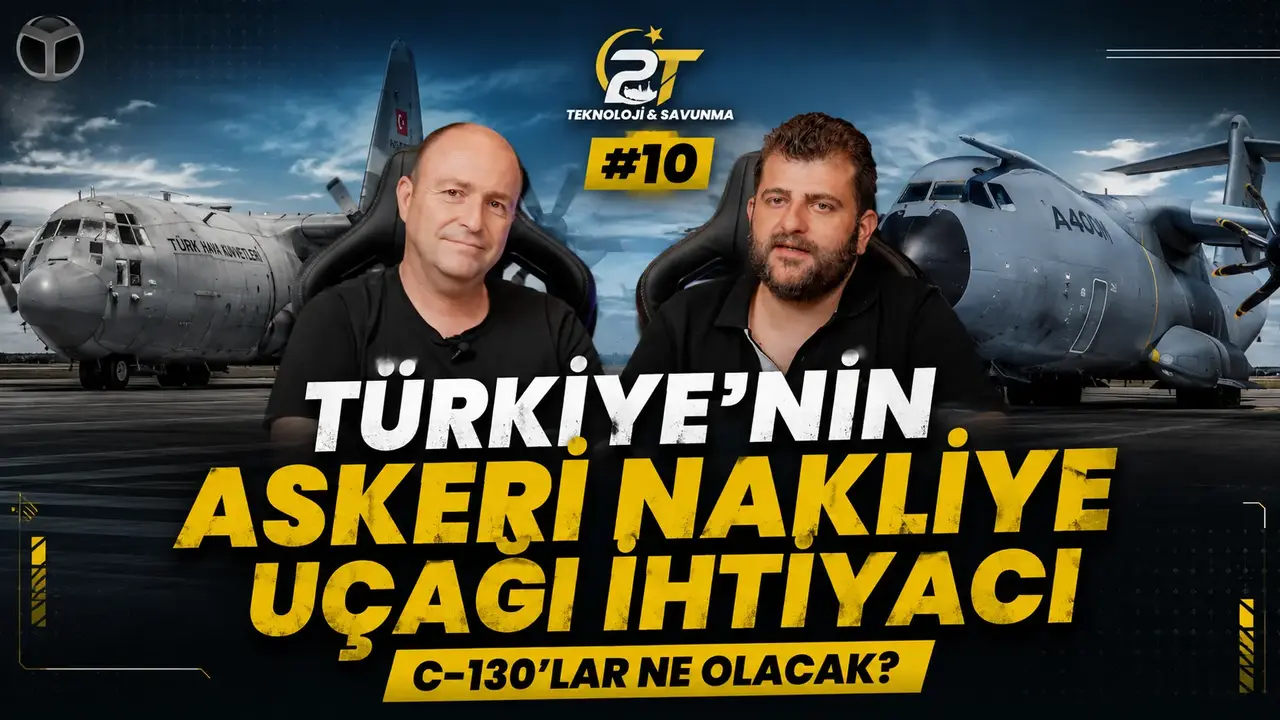
In the latest episode of the 2T Defense & Technology program, analyst Tolga Özbek examined the evolving requirements of the Turkish Air Force regarding its military transport aircraft capabilities. Following a recent accident involving a C-130 aircraft in Georgia, which prompted temporary grounding for safety inspections, the focus has shifted toward the future of Turkey’s aging tactical air transport fleet. As regional instability, NATO commitments, and humanitarian assistance missions place unprecedented strain on aerial logistics, Turkish authorities are re-evaluating the operational readiness of the current fleet while pursuing strategic upgrades to maintain effective cargo and personnel delivery capabilities across vast distances.
- The Turkish Air Force is currently integrating 12 C-130J Super Hercules aircraft to replace its aging C-130B and E variants.
- Turkey participates in a multinational A400M pool under a NATO initiative to enhance strategic transport capacity.
- Military analysts are considering the potential integration of the Embraer C-390 Millennium to address future medium-lift requirements.
The Air Force Operates a Diverse Fleet
The Turkish Air Force relies on a varied inventory of transport assets that differ significantly in age and operational capability. At the top of the hierarchy, the Airbus A400M Atlas serves as the backbone of strategic transport. With 10 units currently in service, these aircraft provide the heavy-lift capacity necessary for long-range deployment, enabling Turkey to conduct operations ranging from Africa to the Middle East. Turkey’s role as both a user and a manufacturing partner in the A400M program has provided the nation with significant technical insights and maintenance advantages.
Tactical Transport Capabilities Undergo Review
The veteran C-130 Hercules fleet has historically provided the foundation for tactical logistics and parachute operations. Despite undergoing the comprehensive Erciyes avionics modernization program, the physical airframes are now reaching their operational limits after several decades of service. The recent accident in 2025 served as a stark reminder of the risks associated with aging platforms, prompting an immediate technical audit of the entire fleet. To mitigate these risks, the Ministry of National Defense finalized the procurement of 12 C-130J-30 Super Hercules aircraft from the United Kingdom. These modern platforms are scheduled to begin arriving in the 2026-2027 period, promising reduced maintenance costs and higher operational availability.
The integration of the C-130J fleet represents the most critical modernization step for the Air Force in the current decade.
New Platforms are Considered for Future Missions
Beyond the C-130 transition, the Air Force continues to operate a large fleet of CN-235 light transport aircraft. While these platforms remain functional for local logistics and training, their eventual replacement remains a subject of ongoing discussion. Meanwhile, the global interest in the Embraer C-390 Millennium has drawn attention from Turkish defense observers who view it as a potential candidate for future medium-lift requirements. Furthermore, the potential revival of the Boeing C-17 production line in the United States is being monitored by military planners to assess if such heavy-lift assets could support Turkey’s long-term logistics strategy.
Tanker Capabilities Require Urgent Upgrades
The tanker fleet also faces a transition phase as the aging KC-135R aircraft approach the end of their service lives. The military is evaluating candidates such as the Airbus A330 MRTT and the Boeing KC-46 Pegasus to ensure the continuity of aerial refueling capabilities. As Turkey continues to align its assets with NATO standards, the focus remains on streamlining maintenance processes and reducing the logistical burden caused by operating too many disparate aircraft types. The strategic shift toward modern, multi-role platforms ensures that the Turkish Air Force remains prepared for the complex security environment of the coming decades.
Given the rapid changes in military aviation technology, which transport aircraft do you believe should be the primary focus for the Turkish Air Force’s modernization efforts, and why? Share your thoughts in the comments section below.
Your comment has been submitted,
it will be published after approval.