
Turkey Expands Steel Dome Air Defense to TF-2000 Destroyers

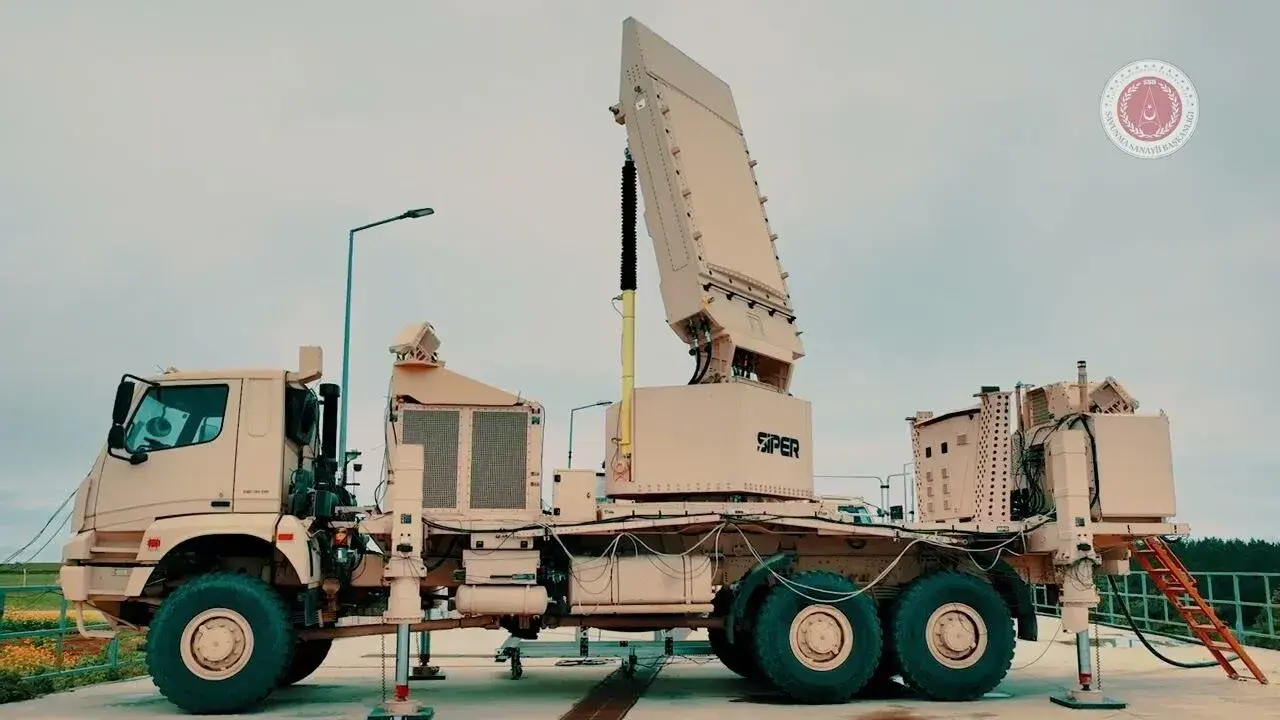
Turkey is set to integrate its comprehensive layered air defense architecture, known as ÇELİKKUBBE or the Steel Dome, into its naval platforms. During the TEKNOFEST Mavi Vatan event, ASELSAN General Manager Ahmet Akyol announced that the TF-2000 Air Defense Destroyer will serve as a critical maritime node for this national air defense shield. By deploying advanced radar systems and long-range interceptors on these vessels, Turkey aims to extend its defensive umbrella far beyond its shores, ensuring that its naval fleet operates under a robust, multi-layered protective system capable of neutralizing sophisticated aerial threats in real-time.
- The TF-2000 destroyer will incorporate long-range SİPER air defense batteries to provide extensive aerial coverage at sea.
- ASELSAN is developing advanced radar and command-control infrastructure to enable coordinated operations across multiple defense layers.
- The vessel will utilize a combined defense strategy featuring GÖKSUR, GÖKDENİZ, and HİSAR systems to counter various threat profiles.
- Integrated laser weapons and electronic warfare suites will enhance the ship’s survivability against drone swarms and missile attacks.
TF-2000 Destroyer Will Support Four SİPER Batteries
The core capability of the TF-2000 lies in its ability to carry four SİPER long-range air defense batteries. According to Ahmet Akyol, ASELSAN is currently finalizing the radar infrastructure necessary to support this significant fire-power density. This configuration allows the ship to detect, track, and engage multiple high-speed aerial targets simultaneously with precision.
SİPER stands as the primary long-range pillar of the Steel Dome project. Following the successful autonomous battery tests of SİPER-1 in early 2026, the transition of this technology to sea-based platforms marks a strategic shift in Turkey’s naval doctrine.
The TF-2000 will function as a highly mobile, long-range air defense node for the Turkish Navy.
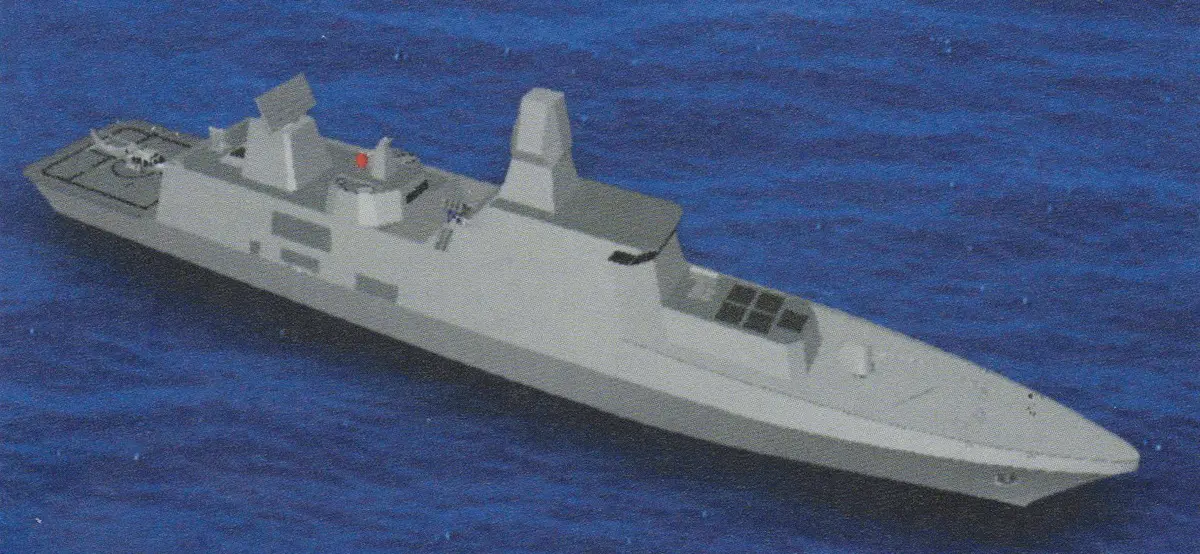
Advanced Radar Systems Will Guide Defensive Operations
Beyond its missile capacity, the TF-2000 acts as a command-and-control hub. The vessel utilizes the ÇAFRAD project’s radar suite, which synthesizes data from various onboard sensors to create a comprehensive air picture. By integrating these systems, the ship effectively functions as the eyes of the fleet, identifying threats long before they enter immediate engagement zones.
Layered Defense Utilizes Multiple Systems
The architecture of the TF-2000 ensures that no single point of failure exists within the ship’s defenses. While SİPER handles long-range interceptions, medium and short-range threats are managed by HİSAR and GÖKSUR systems. For terminal defense, the GÖKDENİZ 35 mm close-in weapon system provides a final layer of protection against sea-skimming missiles and low-altitude threats.
Electronic Warfare and Lasers Provide Future Capability
Future iterations of the TF-2000 will incorporate directed energy weapons. Akyol highlighted that the integration of laser systems is vital for countering low-cost, high-volume threats like swarm drones. Combined with sophisticated digital electronic warfare suites, the vessel will possess the ability to disrupt enemy radar and communication spectrums effectively.
This holistic approach ensures that the Steel Dome concept is not merely a land-based solution but a versatile framework for total national security. As the project matures, the TF-2000 will provide the Turkish fleet with an unprecedented level of situational awareness and defensive endurance.
How do you think the integration of the Steel Dome system into naval platforms will influence the regional balance of power in the Eastern Mediterranean? Share your thoughts in the comments below.
Your comment has been submitted,
it will be published after approval.