
Turkey Introduces New Minimum Fixed SCT for Electric Vehicles

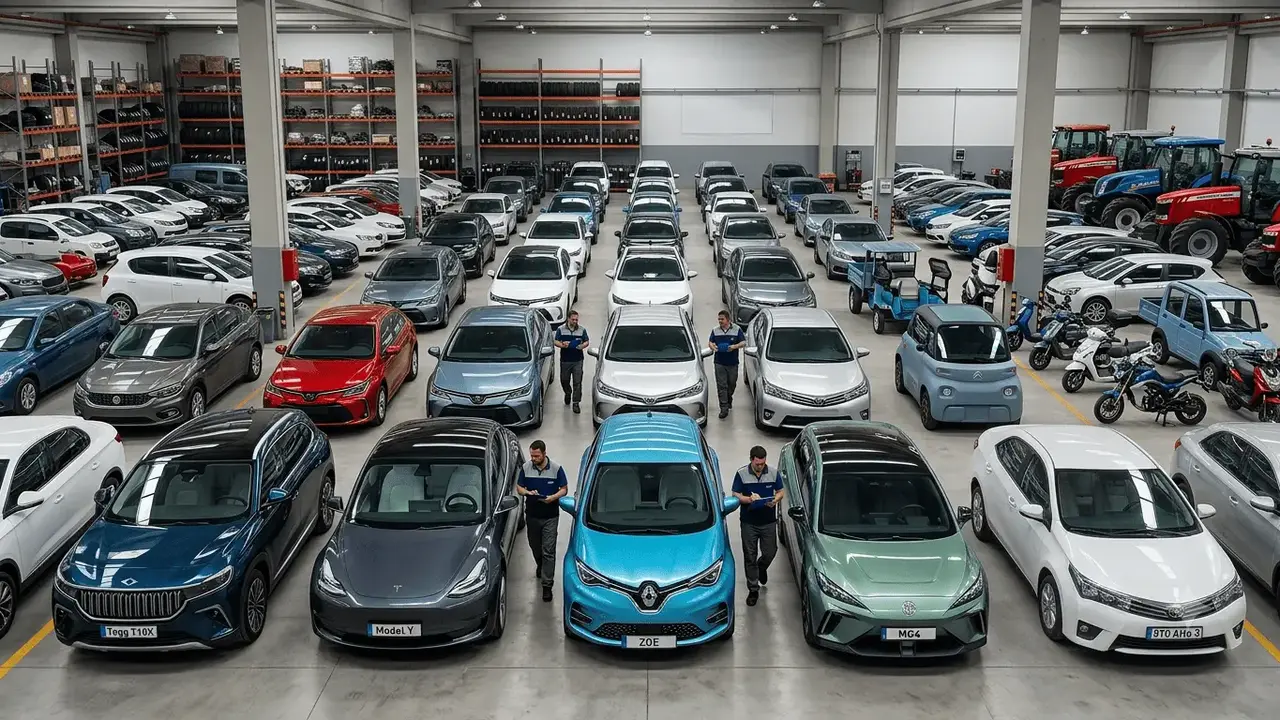
The Grand National Assembly of Turkey (TBMM) has officially ratified a new omnibus bill that introduces significant changes to the automotive sector, specifically regarding the taxation of electric vehicles. Through this legislative update, the Special Consumption Tax (SCT) Law has been restructured to include a minimum fixed tax threshold for electric passenger cars. This major shift in the electric vehicle (EV) tax regulation aims to stabilize tax revenues across the market, granting the Presidency extensive authority to adjust these fixed amounts based on vehicle specifications and economic conditions.
- The government has established a minimum fixed SCT of 100,000 TL for all passenger cars and 30,000 TL for L-class electric vehicles with a motor power of 4 kW or higher.
- The Presidency holds the legal authority to increase these fixed tax amounts by up to ten times or reduce them to zero.
- Automatic annual updates to these fixed tax amounts will occur in alignment with the revaluation rate defined by the Tax Procedure Law.
- Specific exemptions remain in place for agricultural tractors, L-class internal combustion engine vehicles, and low-power electric vehicles under 4 kW.
These new tax regulations represent the most significant structural change to the Turkish automotive fiscal policy in recent years.
Legislators Define Minimum Fixed Tax Amounts for Vehicles
The newly enacted legislation delineates clear boundaries for tax collection. While certain vehicle categories, such as agricultural tractors and small-scale L-class internal combustion engines, remain exempt, most modern electric passenger vehicles are now subject to the new floor. By setting the minimum fixed SCT at 100,000 TL for passenger automobiles, the state ensures that tax contributions do not fall below a predetermined base, regardless of the vehicle’s net price or technical classification.

For smaller L-class electric vehicles exceeding the 4 kW motor power threshold, the law dictates a minimum fixed levy of 30,000 TL. These figures are not static; they will be subject to annual adjustments based on the official revaluation rate, ensuring that the tax burden evolves in line with broader inflationary trends within the economy.
Authorities Gain Discretionary Power Over Tax Rates
A critical component of this legislative package is the expanded executive power granted to the President. The law allows for the adjustment of these fixed tax amounts within a wide range, spanning from a complete zero-tax application up to ten times the baseline amount. This mechanism provides the government with a powerful tool to respond rapidly to shifts in global automotive trends, domestic production goals, and environmental policy targets.
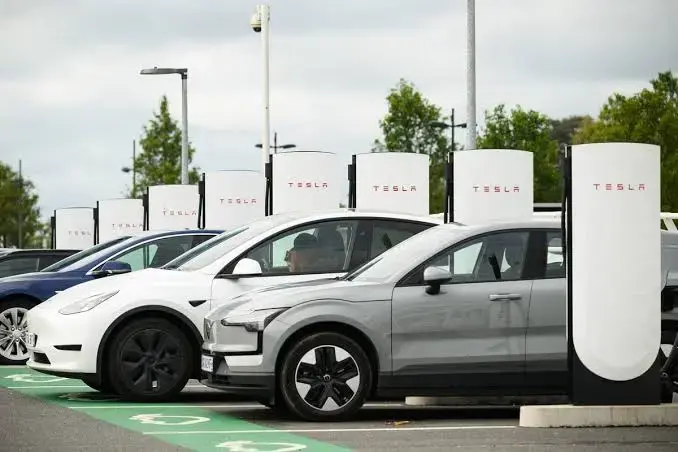
The discretionary power to adjust tax rates by a factor of ten grants the government immense leverage over market pricing strategies.
Tax Calculations Will Consider Technical Specifications
The new framework empowers the Presidency to go beyond simple baseline figures. Officials can now create distinct tax brackets based on technical parameters such as battery capacity, vehicle range, emission types, and passenger volume. This granular approach suggests that future tax policies will likely favor vehicles with specific sustainable attributes, potentially incentivizing the adoption of higher-efficiency technologies while maintaining a floor on fiscal contributions. Consumers and manufacturers alike are now monitoring the Official Gazette for the first secondary regulations that will operationalize these new powers.
How do you think these new minimum fixed tax thresholds will influence your decision to purchase an electric vehicle in the coming months? We invite you to share your thoughts and predictions in the comments section below.
Your comment has been submitted,
it will be published after approval.