
Turkey Prepares to Develop Unmanned Cargo Aircraft Technology

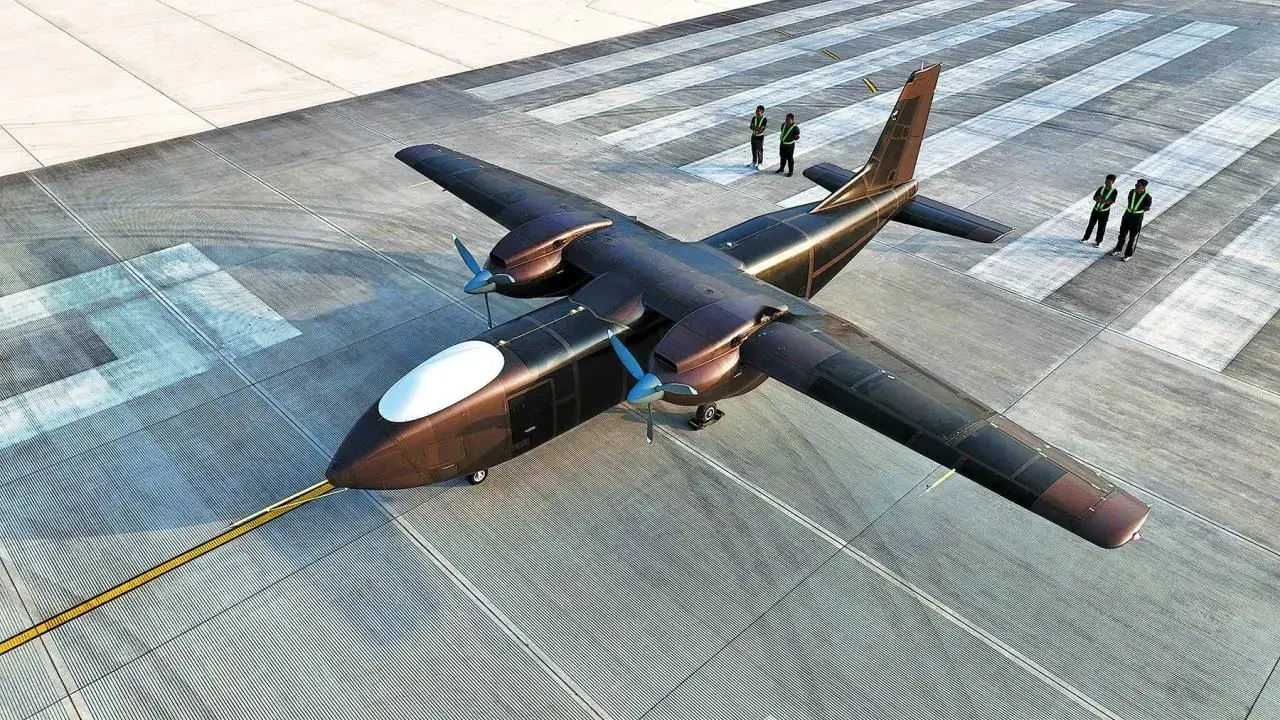
Turkey is making significant strides toward the development of unmanned cargo aircraft, leveraging its extensive expertise in autonomous systems and drone technology. As the global logistics and civil aviation sectors shift toward automation, Turkish industry experts are evaluating how to transition military-grade unmanned aerial vehicle (UAV) capabilities into large-scale cargo operations. By building upon its existing defense infrastructure, Turkey aims to establish a foothold in this emerging market, potentially transforming both military logistics and civilian transport through advanced autonomous flight control and sensor technologies that are currently under rigorous assessment by domestic manufacturers.
- Turkey is evaluating two primary methods for developing unmanned cargo aircraft, including the retrofitting of existing planes and the design of entirely new autonomous platforms.
- Baykar’s recent expansion into the cargo sector suggests a strategic move toward large-scale autonomous freight transportation.
- Civilian aviation certification remains the most significant barrier to integrating heavy unmanned cargo aircraft into shared global airspace.
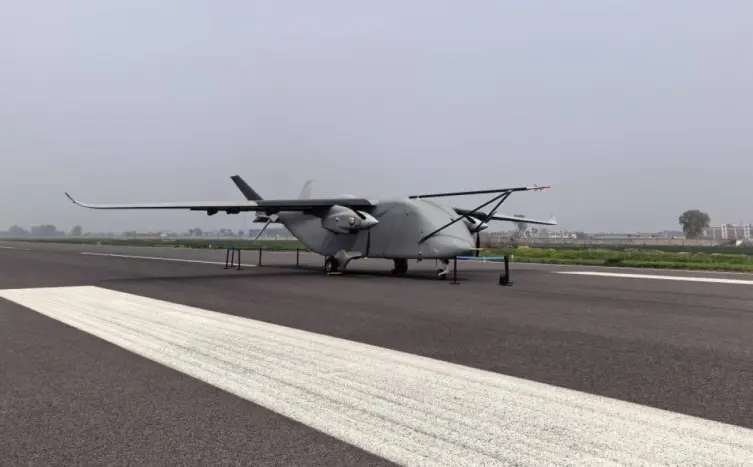
Two Development Paths are Being Evaluated
Defense industry expert Yusuf Akbaba highlights two distinct strategies for Turkey to enter the unmanned cargo aircraft market. The first approach involves integrating advanced autonomous flight kits into existing piloted cargo airframes, which is considered a more accessible starting point. This requires the seamless coordination of autonomous takeoff and landing systems, sophisticated navigation software, and robust sensor suites capable of operating in diverse weather conditions.
The second, more ambitious strategy focuses on designing purpose-built unmanned cargo platforms from the ground up. Turkey’s current proficiency in software, sensor development, and unmanned platform manufacturing provides a solid technical foundation for either path. These capabilities, honed through years of experience in the defense sector, serve as the primary engine driving this technological shift.
Baykar’s New Initiatives are Attracting Attention
Recent structural changes within Baykar, a leader in the Turkish defense industry, have signaled a potential shift toward the air cargo market. While the company has not officially announced the development of a large-scale unmanned cargo jet, industry observers note that its expertise in autonomous systems makes it a natural candidate for such projects. This evolution reflects a broader trend in Turkey, where defense-led innovation is increasingly being adapted for broader industrial and commercial applications.
Certification Processes Remain the Primary Obstacle
Integrating heavy unmanned cargo aircraft into civil aviation is significantly more complex than military operations. These aircraft must navigate the same airspace as passenger jets, necessitating extremely high safety standards and strict regulatory compliance. The reliability of flight control software and the ability of these machines to handle emergency scenarios in populated areas are subject to intense scrutiny under international aviation laws.
Because of these rigorous requirements, experts suggest that the industry will likely undergo a transition period. During this time, existing manned aircraft will gradually be equipped with more autonomous features rather than transitioning immediately to fully pilotless systems. This incremental approach allows for the accumulation of flight data and the gradual building of public and regulatory trust.
New Export Opportunities are Emerging for Turkey
The rise of unmanned cargo aviation represents a significant opportunity for Turkey to expand its footprint in global trade. By reducing pilot costs and reaching geographically challenging or dangerous locations, autonomous cargo planes could revolutionize logistics. While Turkey’s existing production infrastructure is a major advantage, some critical components, such as high-thrust engines, may still require international collaboration. The ultimate test for Turkey will be translating its military technical success into the highly regulated world of civilian safety and certification standards.
Do you believe fully autonomous cargo planes will be ready to fly over our cities within the next decade, or are the safety regulations too complex to overcome? Share your thoughts and predictions in the comments section below.
Your comment has been submitted,
it will be published after approval.