
TUSAŞ ANKA-3 Unveils Enhanced Prototypes for 2027 Flight Debut

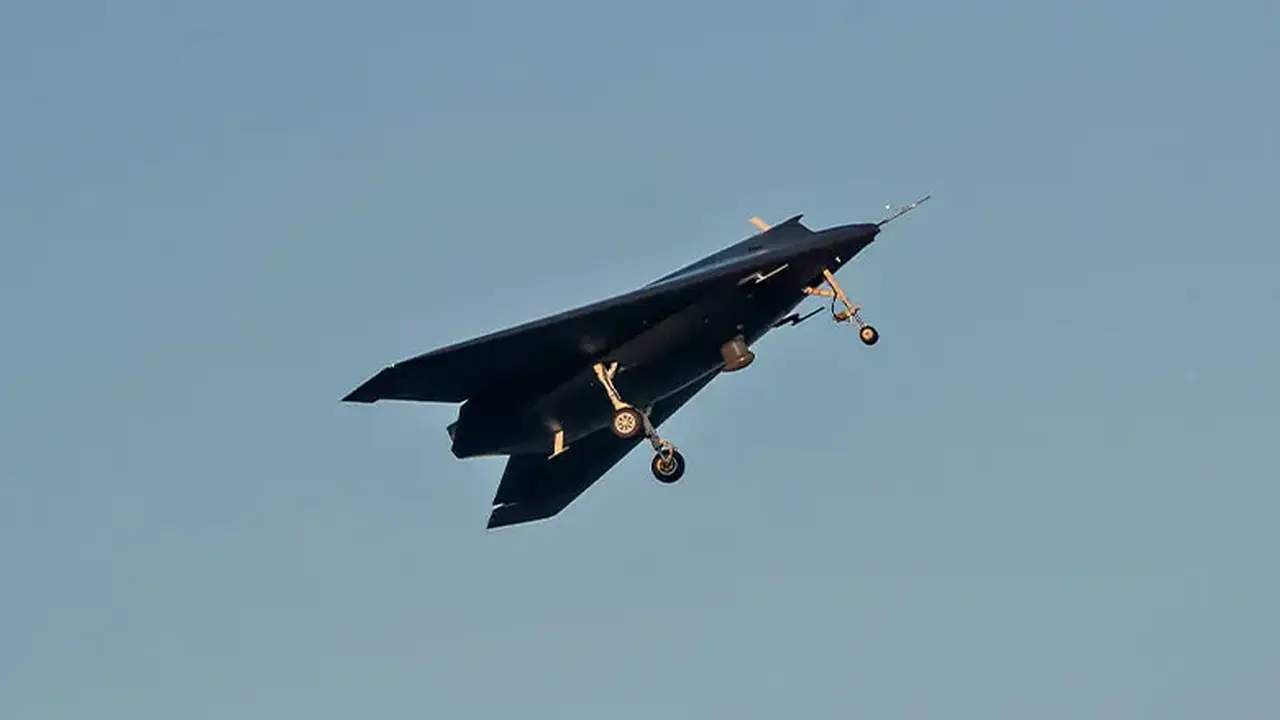
Turkish Aerospace Industries (TUSAŞ) has officially entered a critical new phase in the development of its advanced ANKA-3 unmanned combat aerial vehicle. General Manager Mehmet Demiroğlu announced that the company has finalized the design for a new configuration of the ANKA-3, with production efforts now underway. Building upon extensive flight test data gathered from the initial two prototypes, this updated version is scheduled to perform its maiden flight during the first half of 2027. The project aims to integrate lessons learned from early testing into a more capable platform, ensuring that the ANKA-3 meets the evolving requirements of modern aerial warfare.
- The updated ANKA-3 configuration increases the payload capacity from 1,200 kilograms to 1,700 kilograms.
- TUSAŞ is implementing advanced coating technologies to further enhance the aircraft’s low-observability characteristics.
- The new design expands the platform’s operational scope to include air-to-air combat missions alongside traditional air-to-ground roles.
- Initial deliveries to the Turkish Air Force are currently targeted for late 2027 or early 2028.
Payload Capacity Increases Significantly
One of the most notable improvements in the upcoming ANKA-3 iteration is the substantial boost in its payload capacity. While the current prototypes were designed with a 1,200-kilogram limit, TUSAŞ has confirmed that the new design will support up to 1,700 kilograms of ordnance or equipment. This enhancement allows the platform to carry a wider array of precision-guided munitions, increasing its lethality and operational flexibility on the battlefield.
Furthermore, TUSAŞ is focusing on refining the aircraft’s stealth features. Engineers are currently working on advanced paint and specialized coating technologies to further reduce the radar cross-section of the vehicle. These structural and material improvements are intended to ensure the ANKA-3 remains a formidable, low-visibility asset in contested environments.
Operational Scope Extends to Air-to-Air Combat
The ANKA-3 distinguishes itself with a tailless flying-wing design and a turbofan engine, which collectively provide high subsonic speeds and minimal detectability. Previous test campaigns have already demonstrated the platform’s accuracy, with successful live-fire trials using ROKETSAN’s TEBER-82 guidance kits and ASELSAN’s TOLUN munitions.
General Manager Demiroğlu noted that the new configuration is being specifically optimized for versatility. Beyond its established air-to-ground capabilities, the platform is now being developed to undertake air-to-air missions. While specific technical details regarding the weapon systems for this new role remain classified, the expansion of the aircraft’s mission profile marks a significant milestone in its development lifecycle.
Delivery Schedules Target Late 2027
TUSAŞ maintains an ambitious timeline for the ANKA-3 program. Following the maiden flight in early 2027, the company anticipates beginning the first deliveries to the Turkish Air Force by the end of 2027 or early 2028. These projections remain subject to the results of upcoming flight tests and final contractual agreements with the primary user.
In addition to domestic requirements, TUSAŞ continues to explore international market opportunities. Export discussions are reportedly ongoing with various nations across Africa, the Middle East, and South Asia. Although no formal purchase agreements have been signed to date, the interest from foreign militaries underscores the platform’s potential as a leading-edge solution in the global defense sector.
As TUSAŞ prepares to push the boundaries of its unmanned aerial technology, we invite you to share your thoughts on the strategic impact of the ANKA-3. How do you believe the integration of air-to-air capabilities will alter the future of drone warfare in the region? Please leave your comments below.
Your comment has been submitted,
it will be published after approval.