

Russia has imposed a total of 24.5 million rubles in fines on Twitch, TikTok, Pinterest and Wikipedia for failing to block access to prohibited content, as it continues its inspections of internet platforms. The decision was made by a court in the capital Moscow.
In the cases where each platform was found liable to certain extents, Twitch, TikTok and Pinterest were each fined 7 million rubles, while Wikipedia was fined 3.5 million rubles. This amount is equivalent to approximately 313 thousand dollars at the current exchange rate.
24.5 million rubles fine for prohibited content!
In the cases filed against four different platforms, the Russian court ruled that the prohibited content on the sites in question was not removed and that this situation was against the country’s laws. It is known that Russian regulatory authorities have previously issued numerous warnings, especially regarding applications such as TikTok and Twitch, which have a young user base.
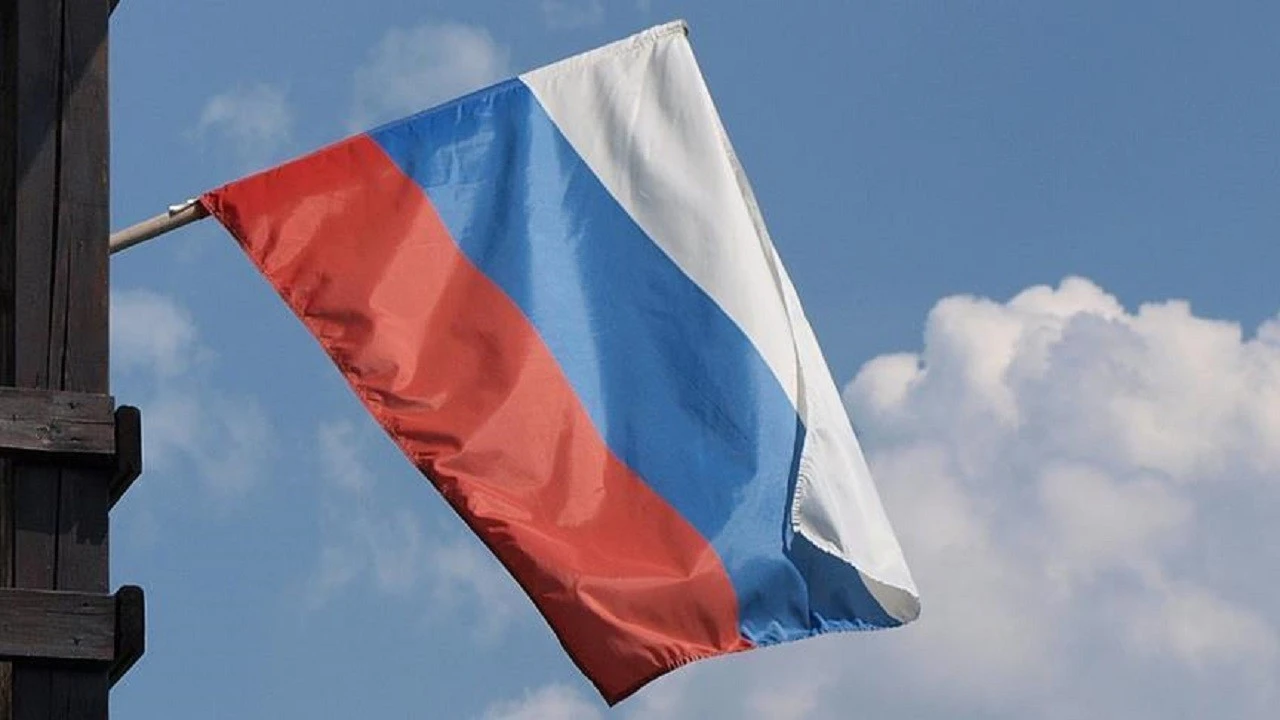
Wikipedia, on the other hand, has faced various sanctions since 2022 due to content related to the Russia-Ukraine war. Since then, the platform has been fined hundreds of thousands of rubles.
In accordance with the regulations that came into force in Russia in 2021, foreign digital platforms operating in the country are obliged to host Russian user data in the country, to open a local office and to remove prohibited content.
Companies that do not comply with these obligations are directly fined. Companies such as Apple, Google, Facebook (Meta) and Twitter have previously faced similar sanctions for the same reasons. It is known that Google faced fines of up to 7 billion rubles before completely withdrawing from Russia in 2022.
Similar practices are not limited to Russia. In Turkey, the Information Technologies and Communication Authority (BTK) and the Radio and Television Supreme Council (RTÜK) conduct content inspections for digital platforms. TikTok has previously been banned and fined more than once in Turkey due to content that negatively affects children.
In addition, with the social media law that came into force in 2020, social networks with more than 1 million daily access were required to have representatives in Turkey, and platforms that did not comply with this rule were gradually subjected to an advertising ban and then a bandwidth throttling penalty.