
Ukraine Aims for 50,000 Combat Robots on the Battlefield

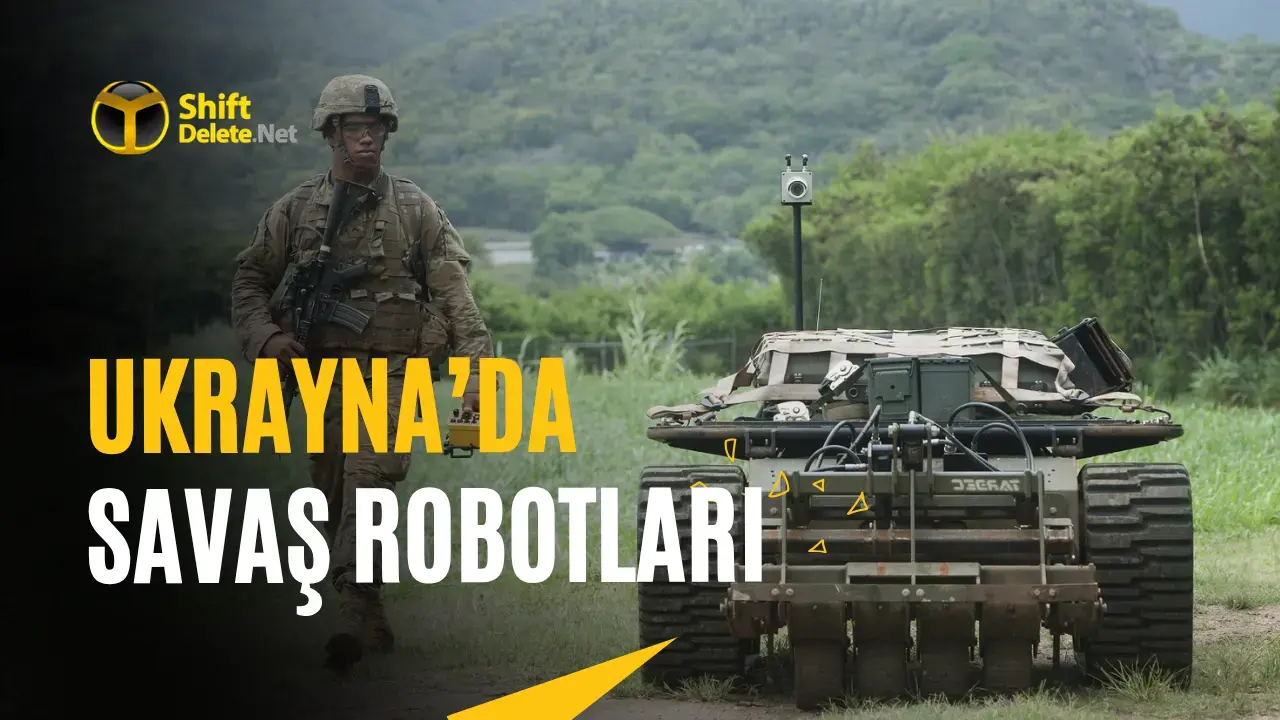
The ongoing conflict in Ukraine has propelled the integration of unmanned systems into military operations to an unprecedented level, marking the dawn of a new era for the war robot. Ukrainian forces are transitioning from reliance on basic reconnaissance drones to a complex, integrated robotic ecosystem where air, land, and sea platforms function in unison. With hundreds of domestic companies now producing specialized hardware, the Ukrainian military is rapidly scaling its deployment of aerial strike drones, unmanned ground vehicles (UGVs), and sophisticated maritime systems to counter entrenched threats. This technological shift represents a fundamental change in how modern combat operations are executed on the front lines.
- Ukraine plans to deploy 50,000 unmanned ground vehicles by the end of 2026.
- Military units currently utilize robotic systems for logistics, medical evacuation, and offensive maneuvers.
- The battlefield is evolving into a distributed network where diverse unmanned platforms share data in real-time.
- Many robotic units now function as expendable assets due to their high turnover rate in combat.
Robotic Systems Perform Diverse Tactical Roles
While combat robots initially gained fame for their offensive capabilities, their role in frontline logistics has become increasingly critical. The persistent surveillance by Russian aerial drones makes the movement of traditional supply convoys, including trucks and armored vehicles, extremely hazardous. Consequently, Ukrainian infantry now rely on ground robots to transport vital ammunition, sustenance, and equipment to active combat zones. In some instances, these versatile machines are also tasked with the urgent extraction of wounded personnel.
Robotic systems are rapidly evolving from niche experimental tools into essential components of the modern infantry unit.
Interestingly, the sheer necessity of the battlefield has led to a repurposing of strike-capable robots for logistical support. As the demand for dedicated UGV supply assets continues to outpace production, commanders are forced to adapt their existing fleet to fill critical gaps. Reports from the field indicate that some specialized robotic units have a very short operational lifespan, often surviving only three to four missions before destruction. This high casualty rate among hardware underscores a significant shift in strategic doctrine: robots are moving away from being expensive, rare assets toward becoming highly replaceable, expendable war machines.
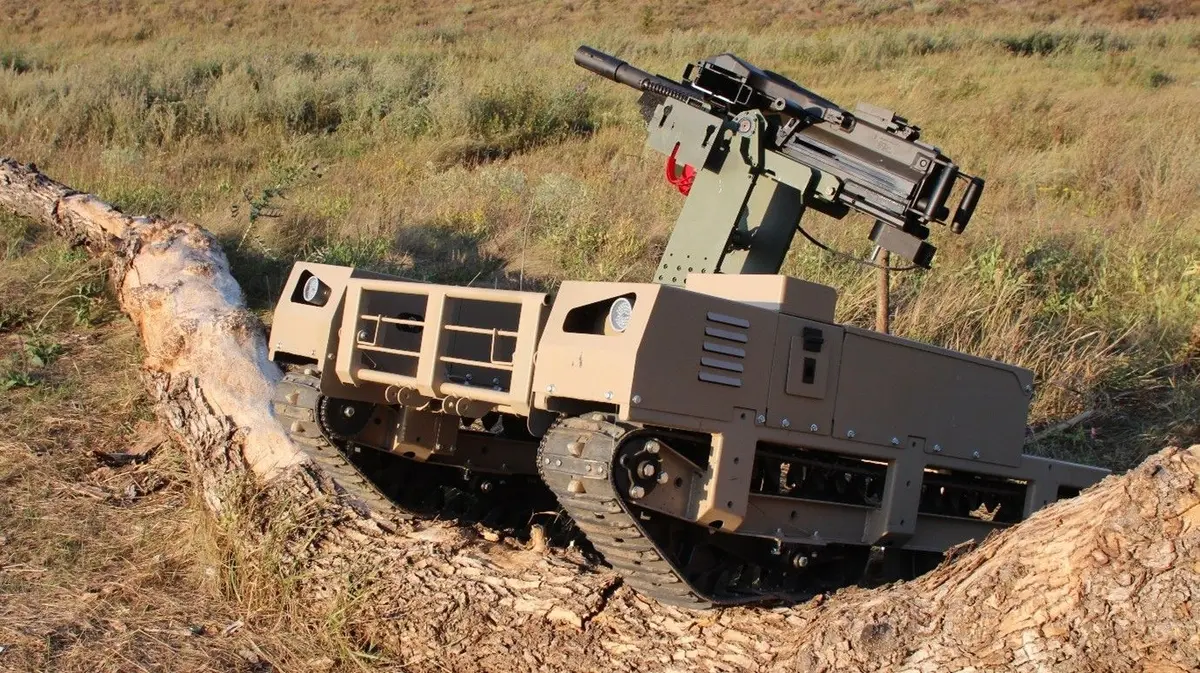
National Goals Prioritize Mass Production
To maintain a strategic advantage, the Ukrainian government has set an ambitious target of reaching 50,000 unmanned ground vehicles by the end of 2026. Official reports indicate that contracts for over 22,000 of these systems have already been signed, with the technology having already facilitated tens of thousands of individual missions. This aggressive procurement strategy confirms that autonomous ground systems are no longer an experimental project but a permanent fixture of the national defense architecture.
Networked Platforms Enable Tactical Synergy
The true power of this robotic evolution lies not in the specifications of a single machine, but in the interconnected nature of the entire fleet. Modern operational doctrine now allows for a coordinated sequence where a reconnaissance drone identifies a target, an analytical system evaluates the threat, a ground robot maneuvers into position, and a naval drone initiates a synchronized strike. This integration creates a distributed network of sensors and effectors that significantly amplifies the impact of every deployed unit.
The future of warfare centers on the seamless integration of human commanders and autonomous machine networks.
Artificial intelligence plays a pivotal role in this architecture by automating tasks such as image recognition, target classification, and autonomous navigation. By offloading these cognitive burdens, human operators can focus on higher-level decision-making. As these systems continue to mature, the battlefield will likely be defined by the efficiency of these human-led, machine-supported networks rather than the strength of individual weapon systems.
How do you perceive the rapid proliferation of autonomous systems in modern conflict, and do you believe these technologies will redefine the future of global security? Share your thoughts in the comments section below.
Your comment has been submitted,
it will be published after approval.