
Uncertainty Surrounds BYD Turkey Factory Plans After Paris Summit

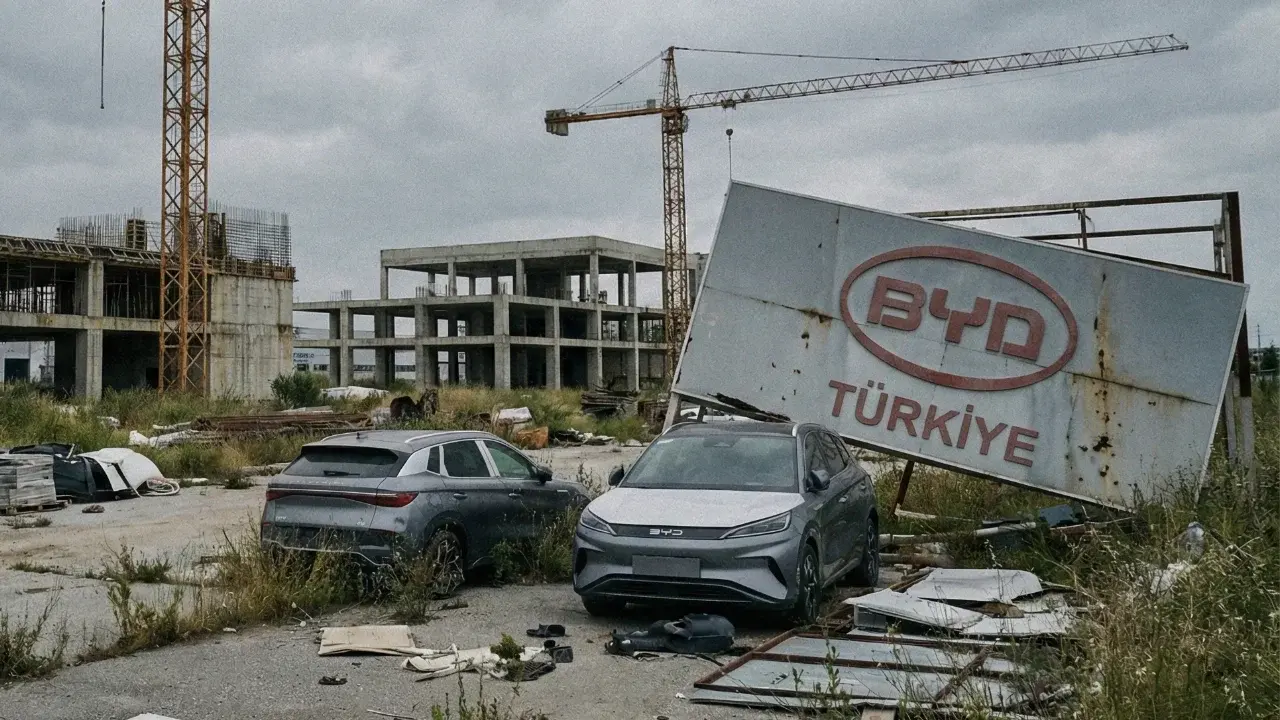
During the recent Paris Motor Show, Chinese automotive giant BYD failed to provide a definitive status update regarding its much-anticipated $1 billion manufacturing facility in Turkey. Despite signing a formal agreement with the Turkish Ministry of Industry and Technology in July 2024 to establish a plant in Manisa, BYD Vice President Stella Li avoided specific questions about the project’s progress. Instead, she offered vague comments regarding the company’s ongoing search for new investment regions worldwide. This lack of transparency has left stakeholders questioning the future of the facility, which was originally designed to produce 150,000 electric and hybrid vehicles annually.
- BYD management continues to avoid providing concrete updates regarding the status of the Turkey investment project.
- The $1 billion facility planned for Manisa remains in a state of indefinite suspension.
- The original agreement targeted an annual production capacity of 150,000 electric and plug-in hybrid vehicles.
BYD Management Keeps Strategic Plans Under Wraps
The signing ceremony in July sparked significant optimism across the automotive industry, as it promised to integrate a global leader into Turkey’s domestic electric vehicle ecosystem. The Manisa plant was envisioned not only as a production hub but as a critical gateway for BYD to access European markets. However, the current silence from corporate headquarters suggests that the project may be facing internal reassessment.  During the Paris summit, the cautious stance maintained by senior officials fueled speculation that the company might be reviewing its global footprint or recalibrating its investment priorities in response to shifting market dynamics.
Production Goals and Future Outlooks Remain Unclear
The proposed facility was expected to focus on a diverse portfolio, including both fully electric vehicles and plug-in hybrid models. This dual-focus approach was intended to significantly enhance Turkey’s technological capabilities in automotive manufacturing. By aiming for a massive output of 150,000 vehicles per year, the project would have solidified Turkey’s position as a primary production base for the European market. Currently, the absence of any visible construction activity or ground-breaking efforts at the designated site indicates that the project is not moving forward as initially scheduled.
Market analysts suggest that Chinese manufacturers are increasingly sensitive to evolving European Union customs regulations and trade policies, which may be prompting a revision of their expansion strategies. While Turkey offers distinct logistical advantages and a robust domestic market, the company’s refusal to confirm the timeline or commitment level creates a vacuum of information. As industry observers await further updates, the question remains whether this venture will proceed under the original terms or if a significant strategic pivot is underway within BYD’s global operations.
Given the ongoing silence from BYD regarding its manufacturing plans in Turkey, we are curious to hear your perspective. Do you believe the company is merely adjusting its strategy due to global market shifts, or are there deeper issues at play? Please share your thoughts and predictions in the comments section below.
Your comment has been submitted,
it will be published after approval.