
Understanding What Local Paint Is in Automotive Repairs

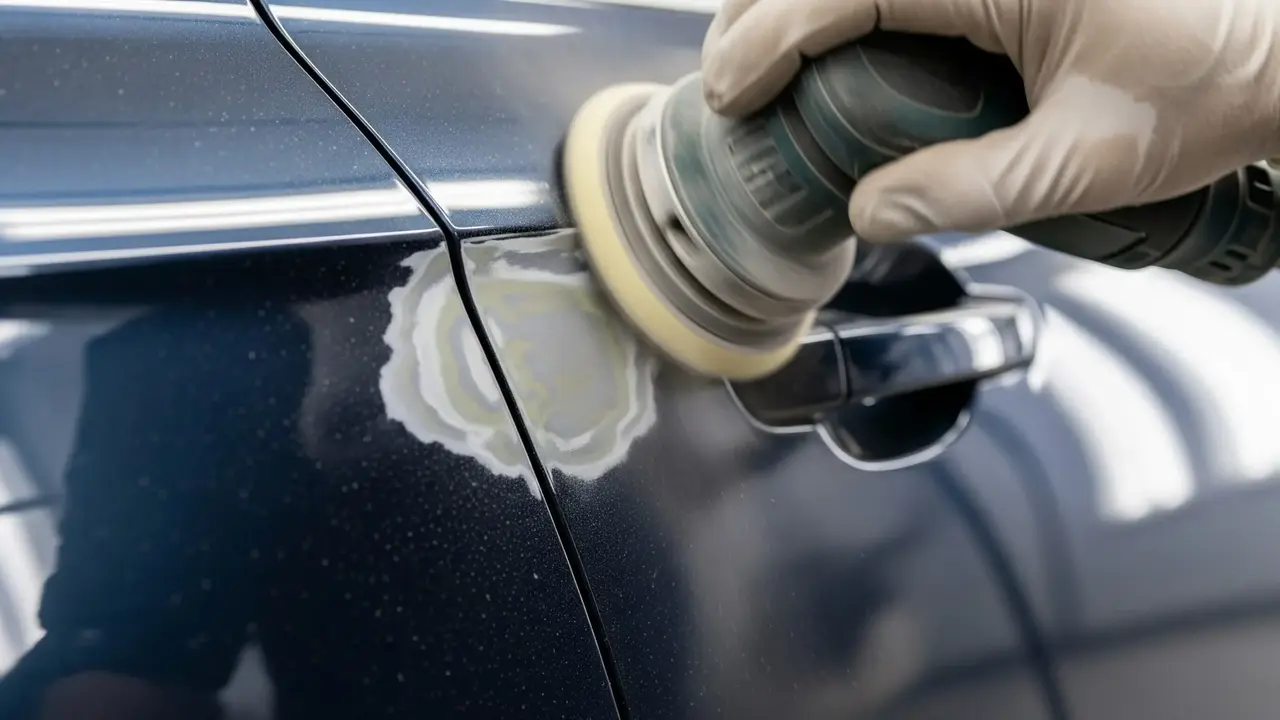
A local paint application, commonly known as lokal boya in the automotive industry, refers to a repair technique where only the specific damaged section of a vehicle is repainted rather than the entire panel or vehicle. This process is frequently utilized by technicians to address minor cosmetic imperfections such as surface scratches, shallow scuffs, minor dents, or localized paint degradation caused by road debris. By focusing exclusively on the affected area, professionals aim to preserve the vehicle’s original factory finish while ensuring a seamless aesthetic transition between the repaired zone and the surrounding paintwork, which is crucial for maintaining the car’s overall visual integrity.
- Local paint application targets only specific damaged areas instead of entire panels to preserve the original factory finish.
- Professional repair techniques ensure a natural color transition between the treated area and the surrounding surface.
- Vehicle valuation experts can identify localized paint repairs during standard pre-purchase inspection processes.
- The necessity and quality of the repair determine the extent to which the vehicle’s market value fluctuates.
What Local Paint Involves for Vehicle Owners
Every vehicle owner will eventually encounter minor aesthetic issues due to the rigors of daily driving. Whether it is a small scratch caused by a stray stone on the highway or a light scuff from a tight parking space, these damages are common. Once a driver identifies these flaws, they must decide between a comprehensive paint job or a localized repair approach. 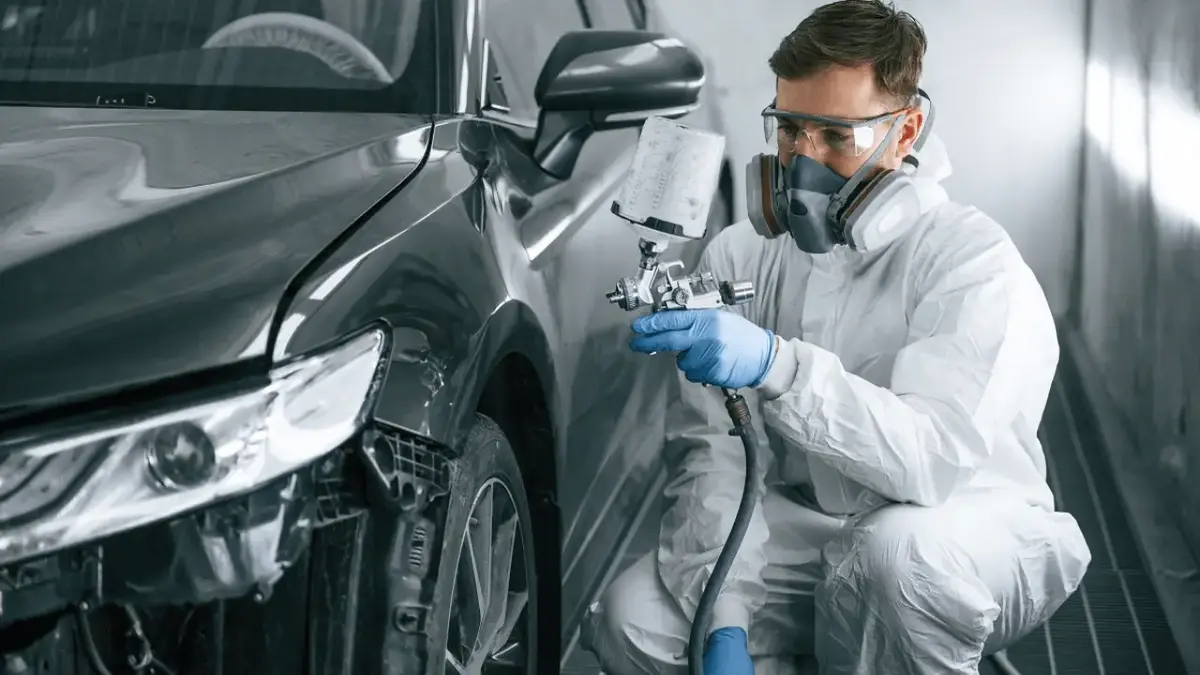 Local paint is the preferred method for addressing these small-scale issues without the need for extensive bodywork.
The process begins with meticulous preparation of the damaged site. Technicians remove the compromised paint layers to ensure the surface is perfectly smooth. Once prepped, they apply the matching color code to the specific spot. The primary objective is to achieve a seamless blend, ensuring the repair is virtually invisible to the naked eye while protecting the underlying metal or plastic body components from corrosion.
How Local Paint Differs from Full Body Painting
A fundamental distinction exists between local paint and full panel painting. In a local paint procedure, only the immediate vicinity of the damage is treated, preserving as much of the original, untouched paint as possible. Conversely, a full paint job involves coating the entire panel, which is generally reserved for more extensive damage, such as deep gouges or large-scale abrasions that cover a significant portion of the bodywork.
Why Local Paint Influences Vehicle Resale Value
It is a common concern among car owners whether such repairs negatively impact market value. While any deviation from factory-perfect condition can technically influence resale pricing, a well-executed local paint job is often viewed favorably compared to extensive body repairs. Because the procedure is minimal and addresses only minor cosmetic flaws, the impact on value is usually negligible when compared to the cost of a full restoration or the aesthetic degradation of leaving a scratch untreated.
Whether Local Paint Affects Purchasing Decisions
Prospective buyers often wonder if they should avoid vehicles with localized paintwork. The consensus among industry experts is that the presence of local paint should not be an automatic dealbreaker. The critical factor is the history behind the repair. A small touch-up for a scratch is fundamentally different from a repair performed following a major collision. Buyers should always insist on a professional inspection to confirm that the repair is purely cosmetic and that the vehicle’s structural integrity remains uncompromised.
Have you ever had a local paint repair performed on your vehicle, or do you have concerns about how such touch-ups might affect your car’s resale value? Please share your experiences and questions in the comments section below.
Your comment has been submitted,
it will be published after approval.