
UNIGRID Sodium-Ion Battery Technology Passes Key Safety Tests

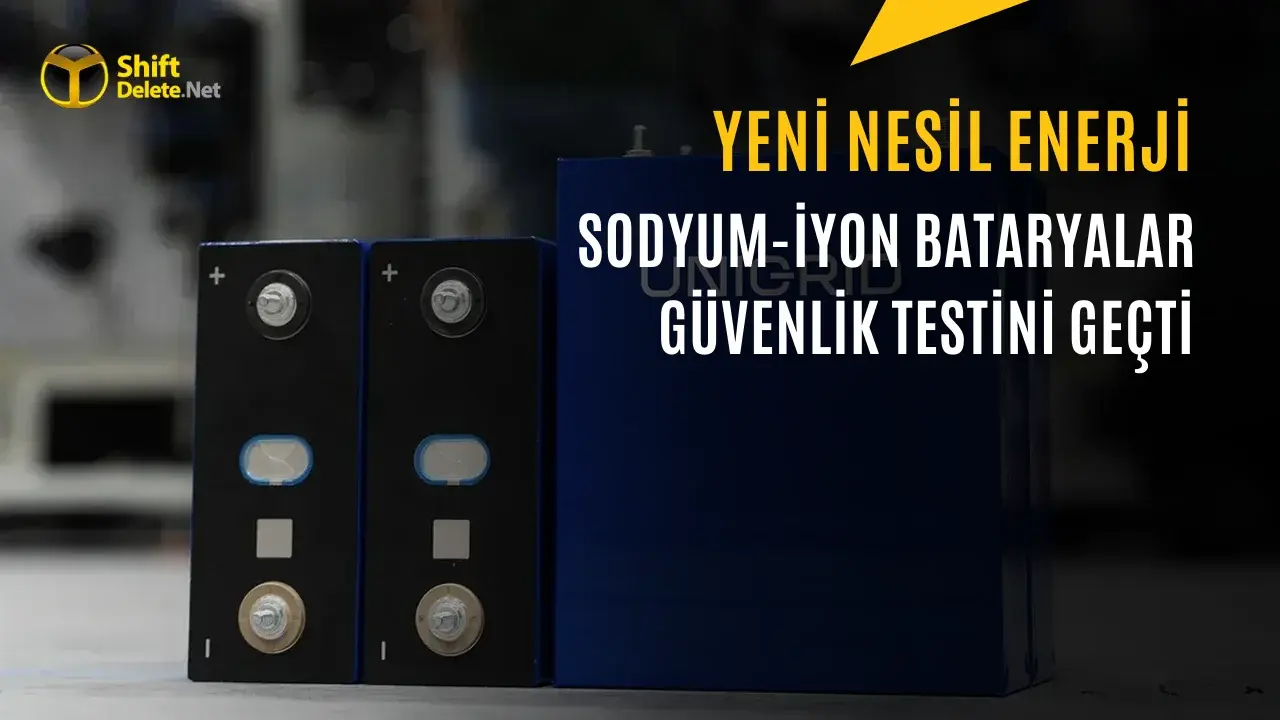
A breakthrough in energy storage has emerged as US-based firm UNIGRID successfully validated its sodium-ion battery technology through rigorous safety evaluations conducted by the Hyundai Motor Group. As part of a technical assessment program initiated in 2025, the company’s sodium chromium oxide cells demonstrated exceptional stability by avoiding fires and preventing thermal runaway, even under extreme stress. This milestone marks a significant shift away from traditional lithium-ion reliance, offering a safer alternative for stationary energy storage systems that prioritize long-term durability and risk mitigation in high-capacity environments.
- UNIGRID successfully completed safety tests with Hyundai Motor Group to confirm that sodium-ion cells do not trigger thermal runaway.
- The sodium-ion batteries maintained high performance across a broad temperature spectrum ranging from -20°C to 60°C.
- Major manufacturers like CATL are scaling up sodium-ion production to meet global energy storage demands by 2026.
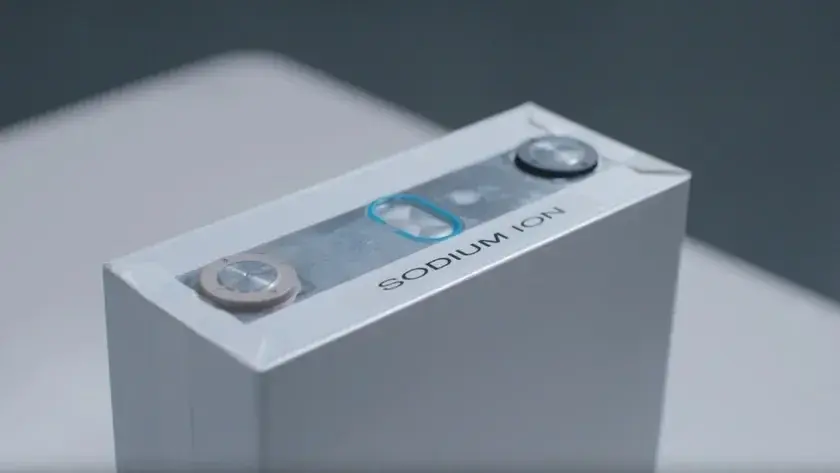
Safety Standards are Being Raised by New Technologies
The collaboration between UNIGRID and Hyundai Motor Group, conducted under the ZER01NE Accelerator program, focused on developing fire-resistant battery architectures. Thermal runaway is a catastrophic failure mode where heat generates uncontrollably across battery cells, often leading to large-scale fires in energy storage facilities. By proving that their sodium chromium oxide chemistry eliminates this risk, UNIGRID has addressed one of the most critical safety concerns in the power sector.
Furthermore, the cells underwent extensive cycle-life testing to ensure longevity. Even at 100% depth of discharge, the batteries retained significant capacity, proving their suitability for repetitive daily use. These results are essential for infrastructure projects where reliability is non-negotiable.
Operating Ranges are Being Expanded for Extreme Conditions
Beyond safety, operational flexibility is a core requirement for utility-scale batteries. The UNIGRID cells proved resilient in temperatures as low as -20°C and as high as 60°C. This wide operational window allows for their deployment in diverse climates without the need for complex and energy-draining cooling or heating systems, providing a distinct advantage over legacy technologies.
Market Roles are Being Redefined by Sodium-Ion Chemistry
While lithium-ion batteries remain the standard for portable devices like smartphones and electric vehicles due to their superior energy density, sodium-ion technology presents a compelling case for stationary storage. The primary benefit of sodium lies in its abundance and lower raw material costs compared to lithium. Although current manufacturing costs for finished sodium-ion units are still maturing, the lack of reliance on scarce minerals positions them as a sustainable long-term solution.
The industry is already seeing massive adoption, as evidenced by CATL’s commitment to delivering 1 GWh of sodium-ion storage by the end of 2026. With companies like Changan also integrating these cells into production vehicles, the technology is moving rapidly from laboratory experiments to industrial implementation.
As the global shift toward more stable and sustainable energy storage accelerates, we invite you to share your thoughts in the comments section: Do you believe sodium-ion batteries will eventually replace lithium-ion technology in all sectors, or will they remain specialized for stationary storage?
Your comment has been submitted,
it will be published after approval.