
US Air Force Successfully Flies Modernized F-16 Via Artificial Intelligence

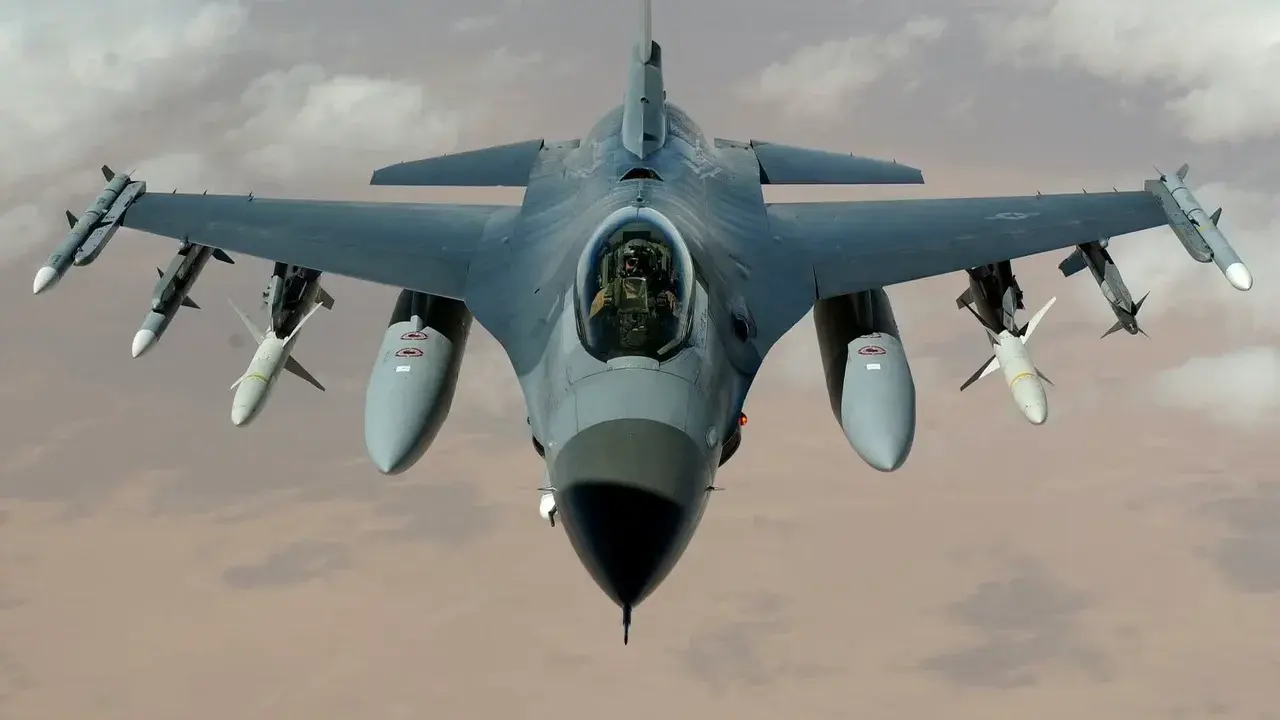
In a landmark achievement for aviation technology, the United States Air Force and the Defense Advanced Research Projects Agency (DARPA) have successfully executed a test flight of a modernized F-16 fighter jet controlled entirely by artificial intelligence. Conducted as part of the innovative VENOM program, the mission marks the first time an legacy F-16 platform has been converted into an autonomous aircraft. While previous experiments utilized the X-62A VISTA research vehicle, this specific demonstration proves that existing, older-generation airframes can be retrofitted with advanced AI capabilities without requiring extensive structural redesigns.
- The VENOM Autonomy Kit enables AI to manage both flight controls and mission-critical sensors simultaneously.
- The program utilizes a human-on-the-loop operational model where human pilots oversee the autonomous system during flight.
- DARPA aims to develop scalable autonomous fleets to enhance combat range and pilot safety in future operations.
The VENOM Program Enhances Existing Air Capabilities
The core objective of the VENOM program is the implementation of the VENOM Autonomy Kit, a sophisticated software package designed to grant F-16 aircraft independent decision-making capabilities. Unlike traditional upgrades that might require a total overhaul of the flight system, this kit integrates seamlessly with the aircraft’s existing architecture. By offloading complex sensor management and tactical navigation tasks to the AI, the military can effectively modernize its aging fleet, ensuring that these platforms remain relevant in contemporary, high-threat environments.
This breakthrough allows the military to transform legacy hardware into cutting-edge autonomous assets.
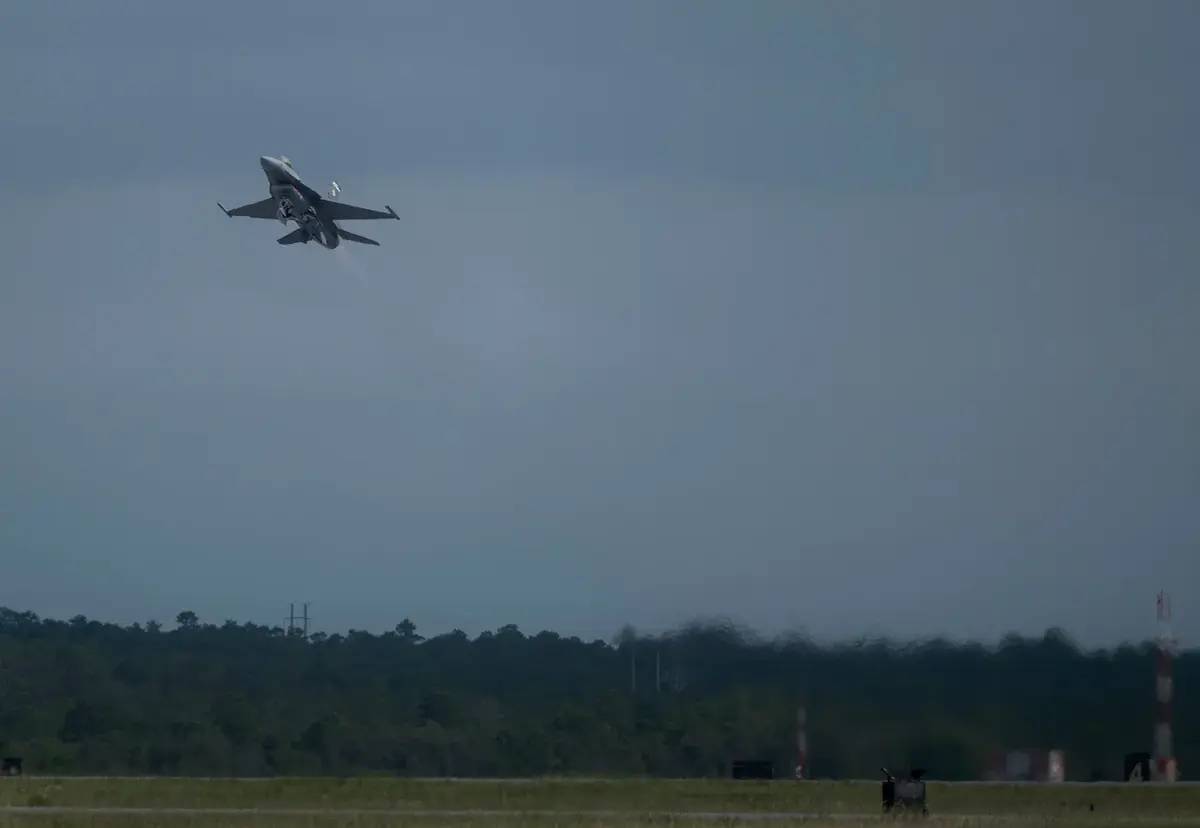
During the recent flight test, standard safety protocols were maintained throughout the mission. A human pilot performed the initial takeoff to ensure the aircraft reached a secure altitude before handing over control to the AI. Throughout the remainder of the flight, the human pilot remained in the cockpit under a human-on-the-loop configuration. This ensures that the system is closely monitored while allowing the AI to execute complex tactical maneuvers, electronic warfare responses, and collaborative air-to-air engagements independently.
Autonomous Fleets Will Shape Future Air Combat
The successful test flight serves as a major milestone for DARPA’s Artificial Intelligence Reinforcements (AIR) initiative. The long-term vision involves deploying cohesive, autonomous squadrons of F-16 aircraft that operate in tandem with human commanders. Rather than piloting every individual jet, human operators will act as mission coordinators, overseeing multiple autonomous assets from a command distance. This operational shift is expected to significantly mitigate risks to human pilots while maximizing the effectiveness of combat operations, particularly in scenarios that involve high-intensity electronic interference.
Autonomous coordination will redefine the tactical boundaries of modern aerial warfare.
Future development phases will focus on refining the AI’s ability to navigate complex combat tactics and coordinate with other unmanned systems. By testing these agents across different simulated and real-world scenarios, the Air Force hopes to achieve a level of autonomy that can react faster than humanly possible to evolving battlefield threats. This integration of machine intelligence into established platforms represents a critical evolution in the future of national defense and tactical air superiority.
How do you believe the integration of autonomous fighter jet fleets will change the landscape of future aerial combat, and what are your thoughts on the risks associated with AI-controlled military assets? Share your views in the comments section below.
Your comment has been submitted,
it will be published after approval.