


The US Federal Communications Commission (FCC) has introduced a new regulation that would bar Chinese technology companies from participating in US-bound submarine internet cables. FCC Chairman Brendan Carr stated that this step is aimed at protecting the country’s digital infrastructure.
US Embargoes China on Undersea Cables
Undersea cables are among the infrastructure that forms the backbone of the global internet and are also critical to data security. The FCC cautions that these systems could be used for potential espionage activities.
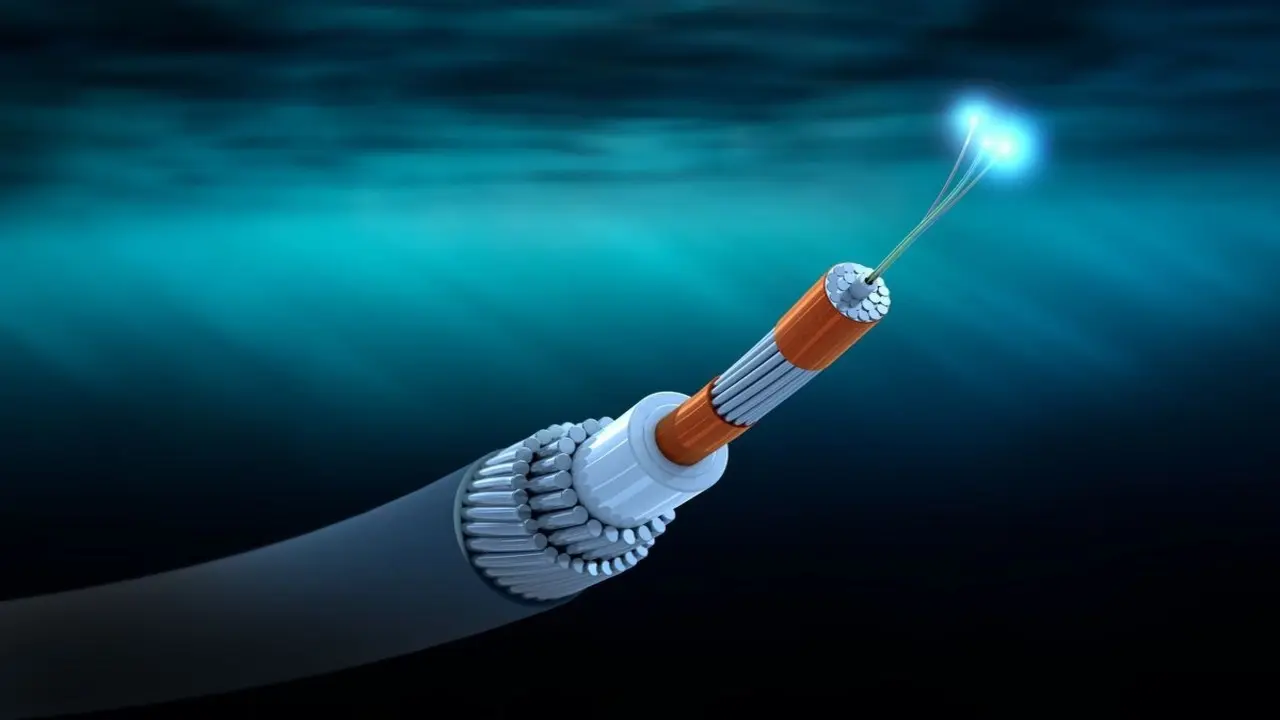
The new regulation will not only restrict the participation of certain Chinese companies in infrastructure projects, but will also directly restrict their ability to build or obtain operating licenses for US-bound cable systems.
This decision is seen as a continuation of previous steps aimed at limiting the presence of Chinese manufacturers in American communications infrastructure. Following the “extract and replace” policies initiated during the Donald Trump era, which targeted companies like Huawei and ZTE, the FCC is now focusing on undersea infrastructure.
The new regulation is considered one of the most serious security steps following last year’s “Salt Typhoon” cyberattack, which targeted US-based telecom companies and was believed to originate from China. Following this attack, the FCC had previously highlighted the need for stricter oversight of the national communications infrastructure.
The commission is expected to vote on the proposal on August 7th. If the regulation goes into effect after the vote, Chinese companies will be prohibited from participating as both suppliers and operators of submarine internet cables extending to the US. This action will mark the latest and most direct US action against Chinese companies’ influence in global telecom infrastructure.