
US Government Blocks Anthropic’s Fable 5 and Mythos 5 Models

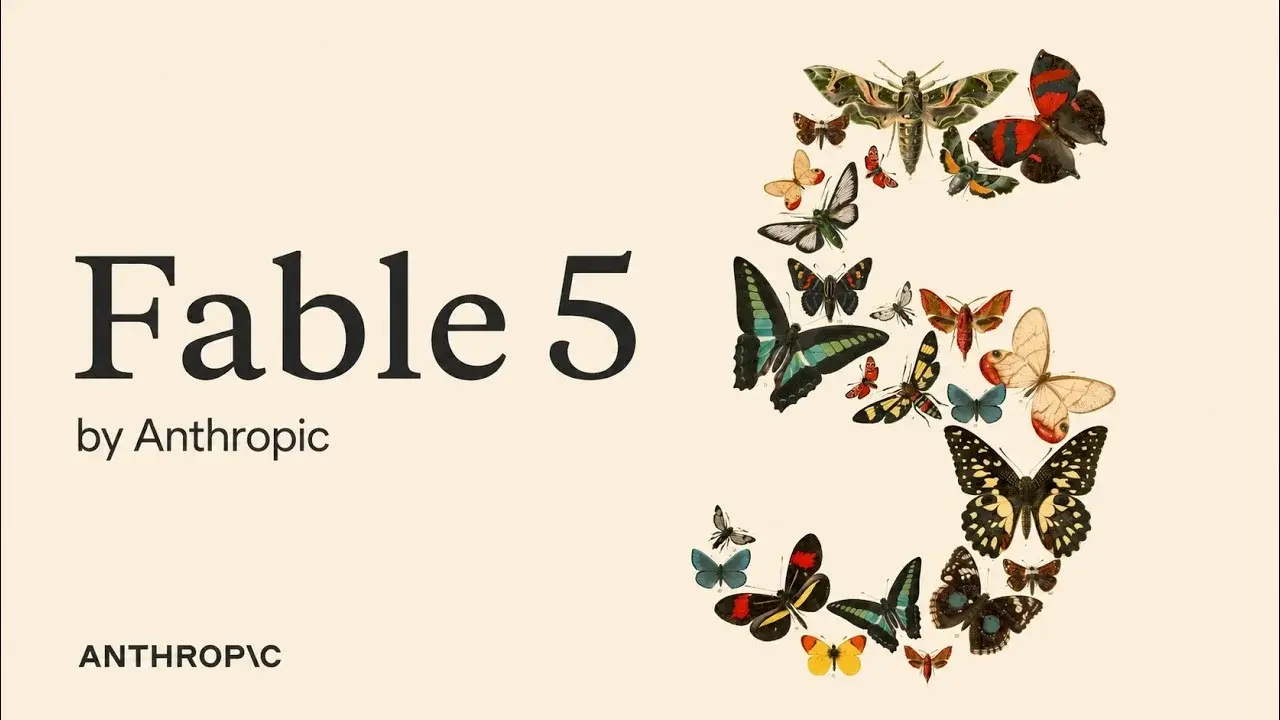
Anthropic officially suspended access to its Fable 5 and Mythos 5 artificial intelligence models this past Friday at 5:21 PM, following a direct export control directive issued by the United States government. The company confirmed that this abrupt decision was mandated due to pressing national security concerns, requiring the immediate restriction of these models from all foreign nationals, including those currently employed by the firm or operating within the country. As Anthropic works to ensure full regulatory compliance, these specific AI systems remain offline for all users, though the company noted that its other software suites remain unaffected by this government-imposed limitation.
- The US government mandated an immediate suspension of Fable 5 and Mythos 5 over national security concerns.
- Anthropic disabled the models for all foreign nationals and users to maintain compliance with federal export regulations.
- The company continues to challenge previous government restrictions after being labeled a supply chain risk by the Department of Defense.
The abrupt removal of these advanced models highlights the escalating tension between private AI developers and federal regulatory bodies.
Government Directives Raise Serious Security Questions
This development occurred only a few days after Anthropic introduced the Fable 5 and Mythos 5 models, which were initially marketed as the most sophisticated offerings within the industry. Fable 5 had gained significant attention for its specialized safety protocols designed to restrict outputs in high-risk scenarios. {{WP_IMAGE_1}}
These models were fundamentally built upon the architecture of the Claude Mythos Preview, which originally debuted in April with a focus on advanced cybersecurity applications. Rather than releasing these tools to the general public, Anthropic had intended to share them with a select group of corporate partners under the banner of Project Glasswing. The company has expressed frustration regarding the lack of specific details provided by the government regarding the nature of these national security threats.
While Anthropic maintains that the government possesses the legal authority to prevent unsafe technology distributions, it argues that such decisions should be rooted in transparent, technical evidence. The sudden nature of the shutdown has caused operational disruptions for the project’s early adopters, leading the firm to issue a formal apology to its clients.
Ongoing Legal Battles Impact Future Cooperation
The current situation is far from an isolated incident, as Anthropic has faced mounting friction with the United States government for some time. A notable point of contention involves the Department of Defense (DOD), which previously designated Anthropic as a supply chain risk following failed negotiations over contract terms.
The ongoing legal dispute between the company and the government reveals a deep divide regarding the regulation of generative AI.
This classification triggered a restrictive policy that effectively prevents defense contractors from utilizing Claude models for military-related research and development. In response to this designation, Anthropic filed a lawsuit against the Trump administration, a case that is currently moving through the judicial system. The company asserts that the latest intervention by federal authorities contradicts the foundational principles of transparency and fairness that it has long advocated for in the tech sector.
How do you believe these aggressive regulatory interventions will shape the long-term competitive landscape of the global artificial intelligence industry? Share your perspectives in the comments section below.
Your comment has been submitted,
it will be published after approval.