
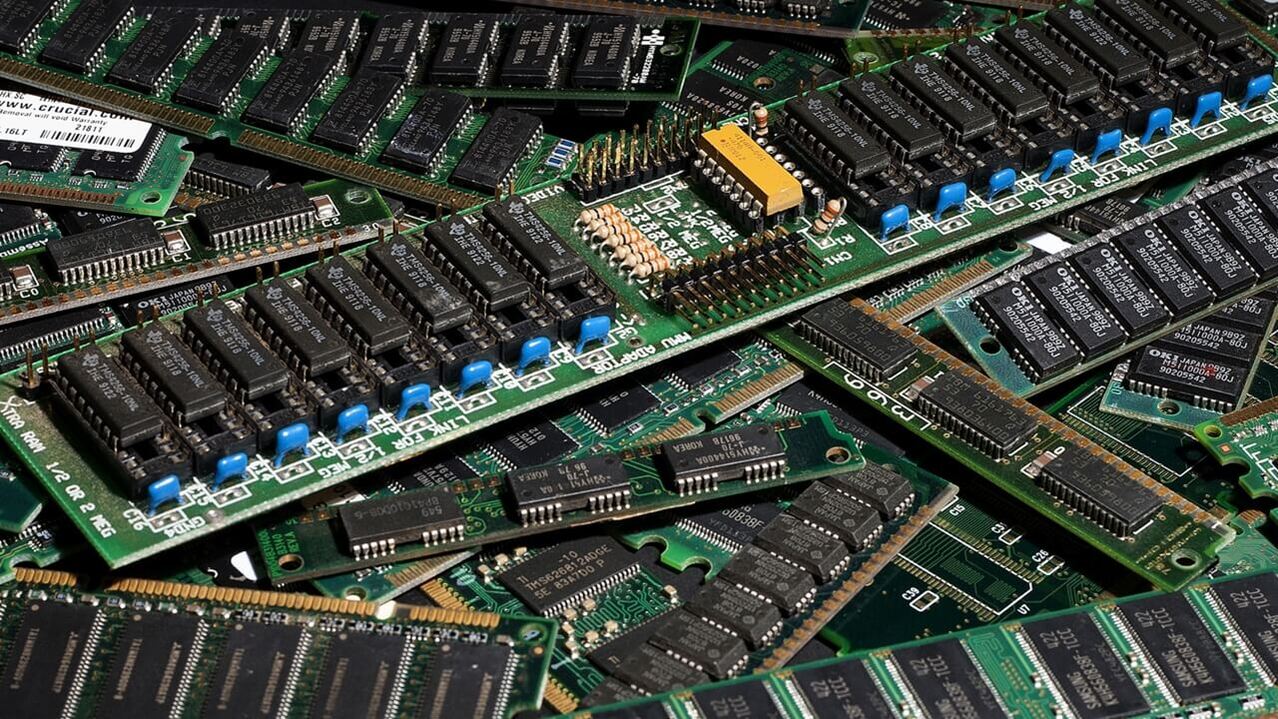
The surge in DDR5 memory prices, driven by supply problems in the global DRAM market and increasing demand for AI hardware, has led to an unconventional production model in the hardware world.
A shift in the RAM sector
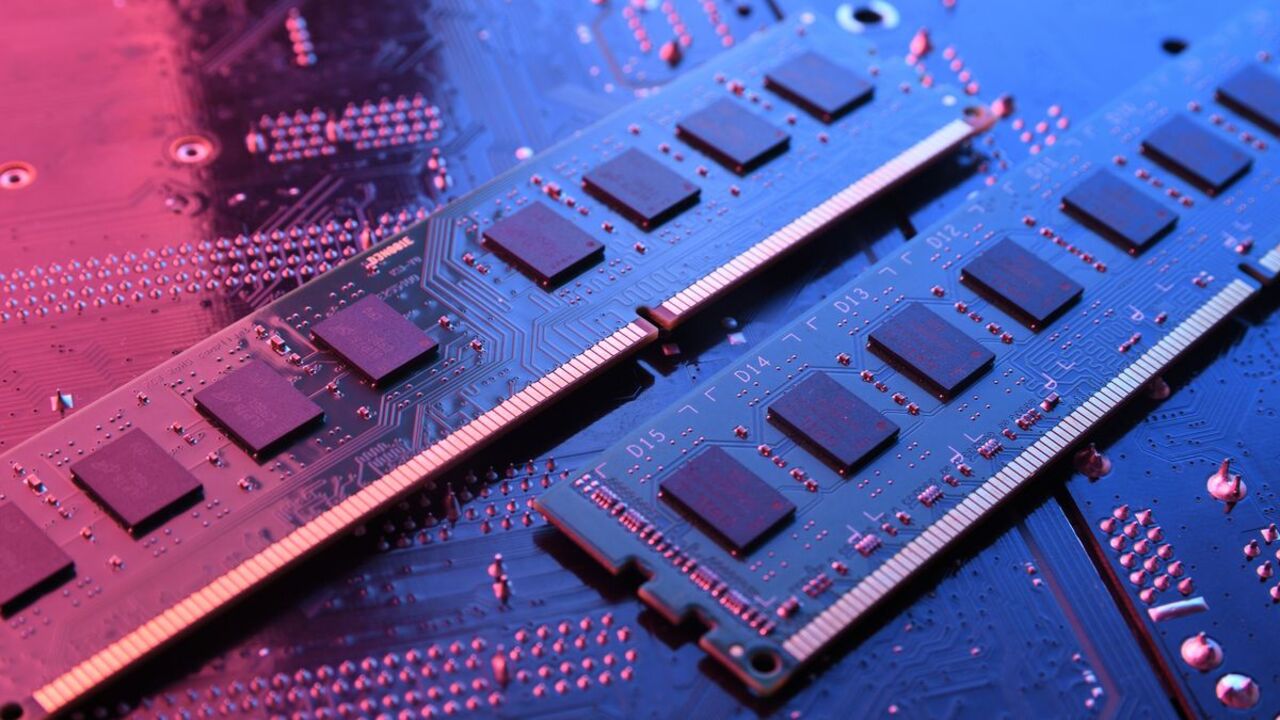
The rapid rise in standard desktop memory prices due to the prioritization of HBM memory production is pushing technology enthusiasts and modification specialists to build their own hardware. Hardware communities based in Russia have begun producing fully functional DDR5 RAM modules by assembling ready-made components.
RAM
The basis of this production process is blank DDR5 printed circuit boards with pre-prepared conductivity paths, sold by Chinese suppliers. Users then solder separately sourced memory chips onto these boards to create their own modules.
Two different methods are used for chip sourcing: either new memory chips are purchased directly, or, to reduce costs, chips salvaged from more affordable laptop memory modules are used.
When the cost breakdown is examined, the production cost of a 16 GB DDR5 module prepared using this method reaches approximately 12,000 rubles, or $151 at the current exchange rate. While this figure offers an alternative to the prices of traditionally produced and retailed products, it also brings with it the challenges of the process.
The production phase requires highly precise professional soldering and a rigorous quality control process. While this doesn’t yet make individual production accessible to the general public, it offers a concrete path for users with the technical capabilities.
Technical data and performance tests prove that these handmade memory modules are not just theoretical concepts. Tests have documented that modules produced by users themselves can achieve speeds of 6000 MT/s and CL28 latency.