

The writing was on the wall last week when Volvo made its LiDAR system, acquired from supplier Luminar, an optional feature; now, the Swedish car brand is reportedly preparing to phase out LiDAR technology entirely by 2026.
New Focus on Safety: Camera-Based Systems
After missing an interest payment on its 2L bonds, Luminar confirmed in its latest SEC filing that Volvo’s new flagship models, the ES90 and EX90 (along with the new Polestar 3), will no longer be offered with Luminar LiDAR. This move signals a complete reversal for the safety technology, which initially came standard, then became optional, and now (according to reports from CarScoops) will be removed entirely.
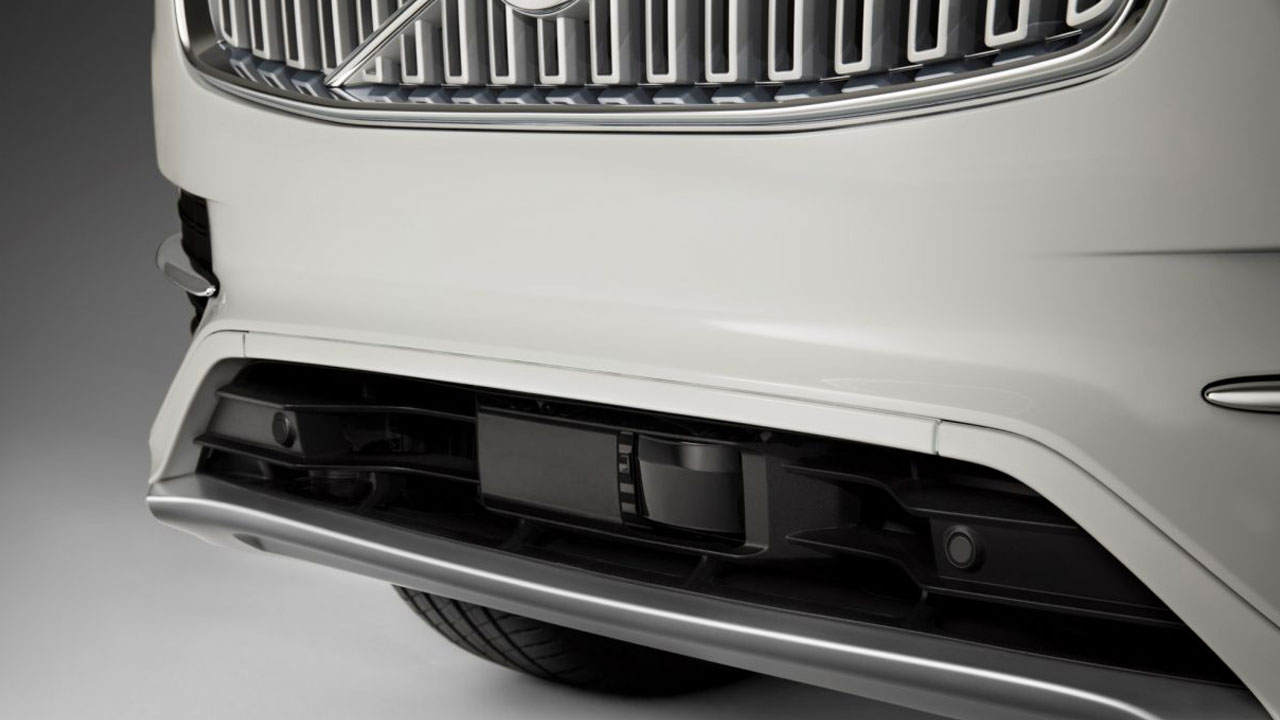
A Volvo Cars USA spokesperson stated that the decision was made “to limit the company’s exposure to supply chain risk” and was “a direct result of Luminar’s failure to fulfill its contractual obligations to Volvo Cars.”
Luminar commented on the current, frosty relationship between the two companies in its October 31st filing:
“Volvo Cars (‘Volvo’), the Company’s largest customer, has informed us that it will no longer offer our Iris LiDAR as standard in its EX90 and ES90 vehicles starting in April 2026 (but that Iris will remain an option). Volvo has also stated that it is postponing its decision on whether to include LiDAR, the currently under development Halo (Luminar’s next-generation LiDAR), in its next-generation vehicles starting in 2027 until 2029 at the earliest. As a result of these actions, the Company has filed a claim for significant damages against Volvo and has suspended any further commitments to Volvo for Iris LiDAR products until the dispute is resolved. The Company is in discussions with Volvo regarding the dispute; however, no assurance can be given that the dispute will be resolved in our favor, or at all.”
As a result of these developments, Luminar suspended its financial forecast for the fiscal year ending December 31, 2025. On November 14, Luminar confirmed that Volvo had completely terminated its contract. This blow may cause Luminar to rethink its long-term future and consider legal action against its largest former customer.
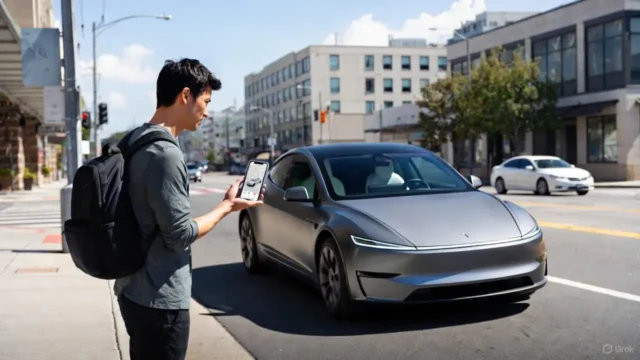
Despite the removal of LiDAR, Volvo states that the ES90 and EX90 models will continue to meet safety standards and provide a high level of driver support. The new models now rely on camera-based driver assistance infrastructure, similar to Tesla’s vehicles. This move signals Volvo’s adoption of an approach focused on cameras, radar, and mapping in autonomous driving technologies.
This news comes on the heels of significant updates to the EX90, including a new, more reliable electronic control module (ECM) for faster charging, an 800V system architecture, and upgraded ADAS, which improves automatic emergency steering functions and Park Pilot assist.