


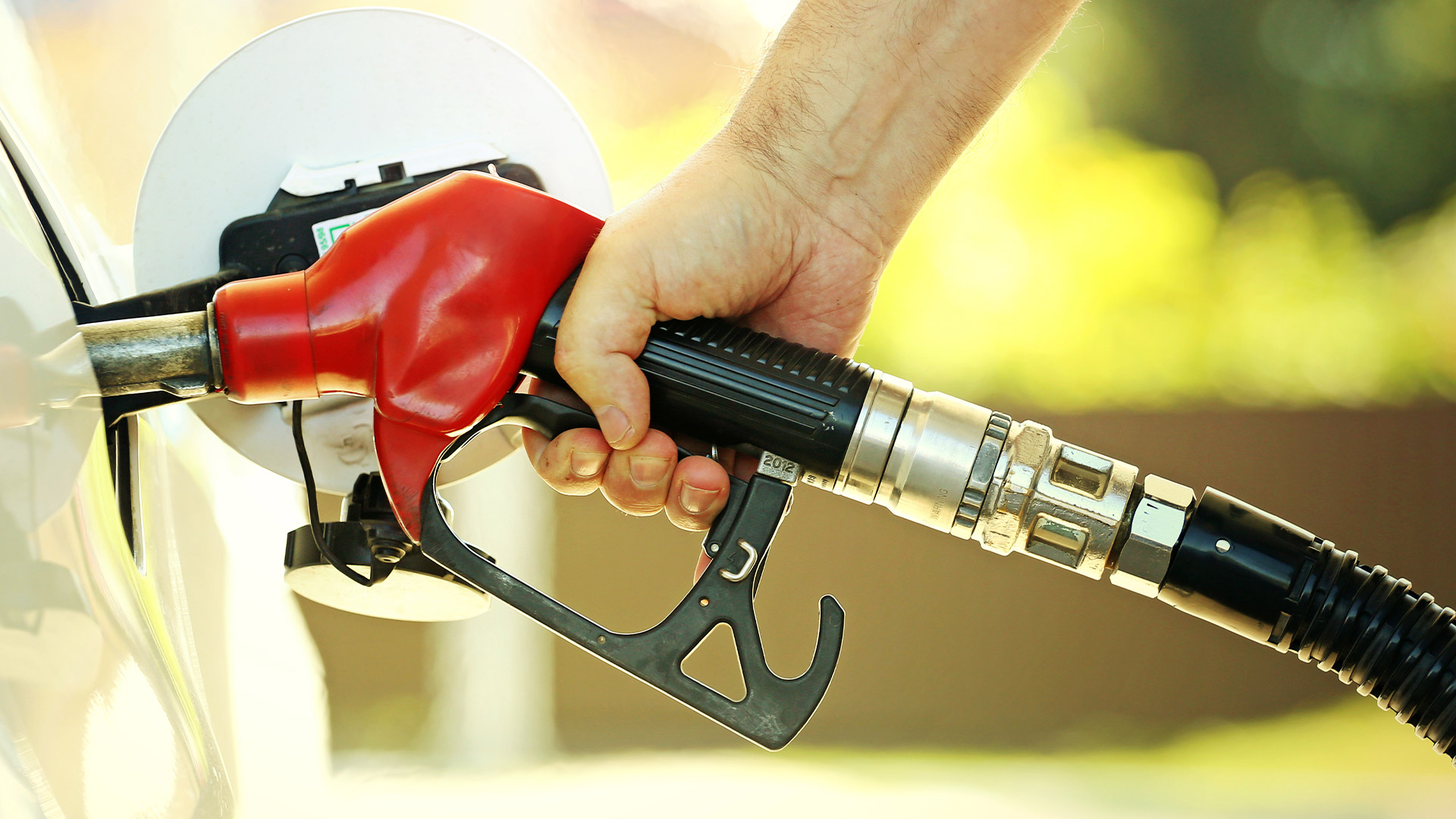
As fuel prices continue to rise, drivers are constantly looking for ways to cut costs. Reducing fuel consumption not only saves money but also helps protect the environment. Many people focus solely on the technical aspects of their vehicle, but simple driving habits and small adjustments can lead to significant savings. Here are some effective ways to reduce fuel consumption…
Check Your Tire Pressure and Aerodynamics
Your car’s tire pressure has a direct impact on fuel efficiency. Under-inflated tires create more road resistance, forcing the engine to work harder. Experts say that maintaining proper tire pressure, as recommended by the manufacturer, can reduce fuel consumption by 3-4%.
Additionally, minimizing aerodynamic drag can improve fuel efficiency. Open roof racks, unnecessary attachments, and open windows increase wind resistance, making your car consume more fuel. Keeping windows closed on highways and removing unnecessary loads can help conserve fuel.
Avoid Sudden Acceleration and Hard Braking
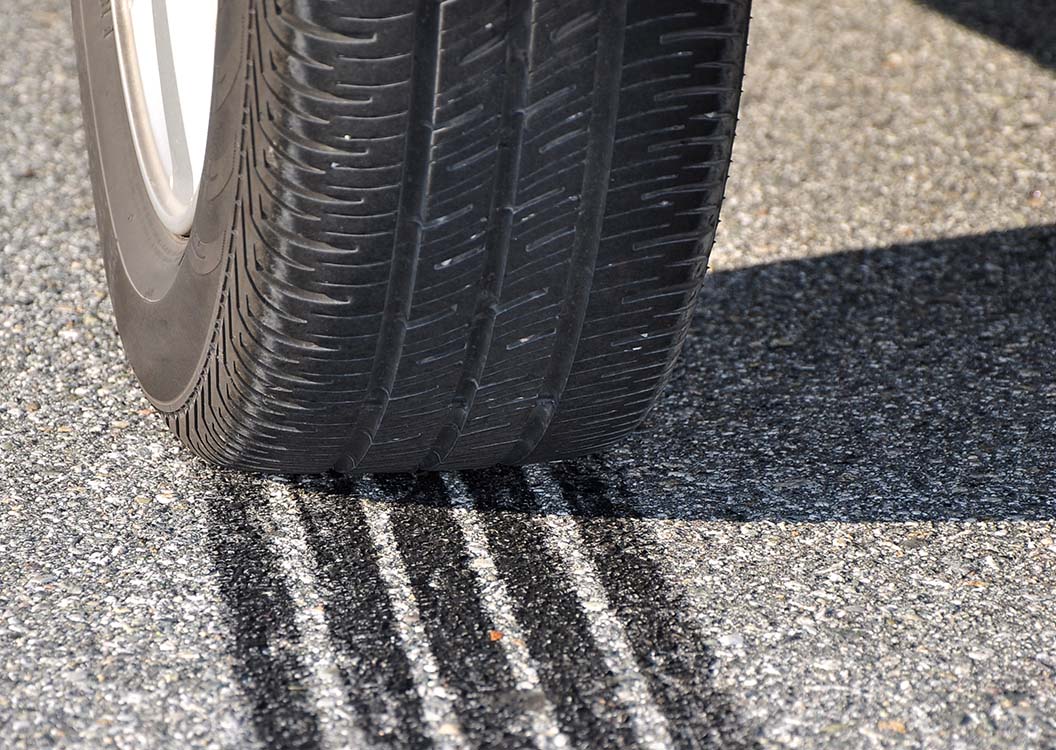
Your driving habits significantly affect fuel consumption. Rapid acceleration and sudden braking cause the engine to burn more fuel. Instead, adopting a smooth and steady driving style can help save fuel.
When approaching traffic lights or stop signs, gradually reducing your speed rather than braking abruptly can reduce fuel consumption and extend the lifespan of your braking system. Maintaining a constant speed also ensures better engine efficiency.
Regular Maintenance is Key
A poorly maintained vehicle consumes more fuel over time. Checking essential components like air filters, spark plugs, and engine oil regularly ensures that the engine runs efficiently. A clogged air filter restricts airflow, leading to inefficient fuel combustion.
Similarly, old engine oil increases friction among engine parts, raising fuel consumption. Regular servicing helps maintain performance while lowering fuel costs in the long run.
Reduce Unnecessary Weight and Idling
Excess weight forces the engine to work harder, consuming more fuel. Avoid carrying unnecessary items in your car’s trunk. Additionally, prolonged idling wastes fuel. If you’re waiting for an extended period, turning off the engine can save fuel and reduce emissions.
Ultimately, fuel savings depend not only on your vehicle’s specifications but also on your driving habits. Implementing these simple yet effective strategies can save money and help protect the environment. What fuel-saving techniques do you use? Share your tips in the comments!
As fuel prices continue to rise, drivers are constantly looking for ways to cut costs. Reducing fuel consumption not only saves money but also helps protect the environment. Many people focus solely on the technical aspects of their vehicle, but simple driving habits and small adjustments can lead to significant savings. Here are some effective ways to reduce fuel consumption…
Fuel-Saving Tips
Check Your Tire Pressure and Aerodynamics
Your car’s tire pressure has a direct impact on fuel efficiency. Under-inflated tires create more road resistance, forcing the engine to work harder. Experts say that maintaining proper tire pressure, as recommended by the manufacturer, can reduce fuel consumption by 3-4%.
Additionally, minimizing aerodynamic drag can improve fuel efficiency. Open roof racks, unnecessary attachments, and open windows increase wind resistance, making your car consume more fuel. Keeping windows closed on highways and removing unnecessary loads can help conserve fuel.
Avoid Sudden Acceleration and Hard Braking
Your driving habits significantly affect fuel consumption. Rapid acceleration and sudden braking cause the engine to burn more fuel. Instead, adopting a smooth and steady driving style can help save fuel.
When approaching traffic lights or stop signs, gradually reducing your speed rather than braking abruptly can reduce fuel consumption and extend the lifespan of your braking system. Maintaining a constant speed also ensures better engine efficiency.
Regular Maintenance is Key
A poorly maintained vehicle consumes more fuel over time. Checking essential components like air filters, spark plugs, and engine oil regularly ensures that the engine runs efficiently. A clogged air filter restricts airflow, leading to inefficient fuel combustion.
Similarly, old engine oil increases friction among engine parts, raising fuel consumption. Regular servicing helps maintain performance while lowering fuel costs in the long run.
Reduce Unnecessary Weight and Idling
Excess weight forces the engine to work harder, consuming more fuel. Avoid carrying unnecessary items in your car’s trunk. Additionally, prolonged idling wastes fuel. If you’re waiting for an extended period, turning off the engine can save fuel and reduce emissions.
Ultimately, fuel savings depend not only on your vehicle’s specifications but also on your driving habits. Implementing these simple yet effective strategies can save money and help protect the environment. What fuel-saving techniques do you use? Share your tips in the comments!