
What Is a D Segment Vehicle and Which Models Lead?

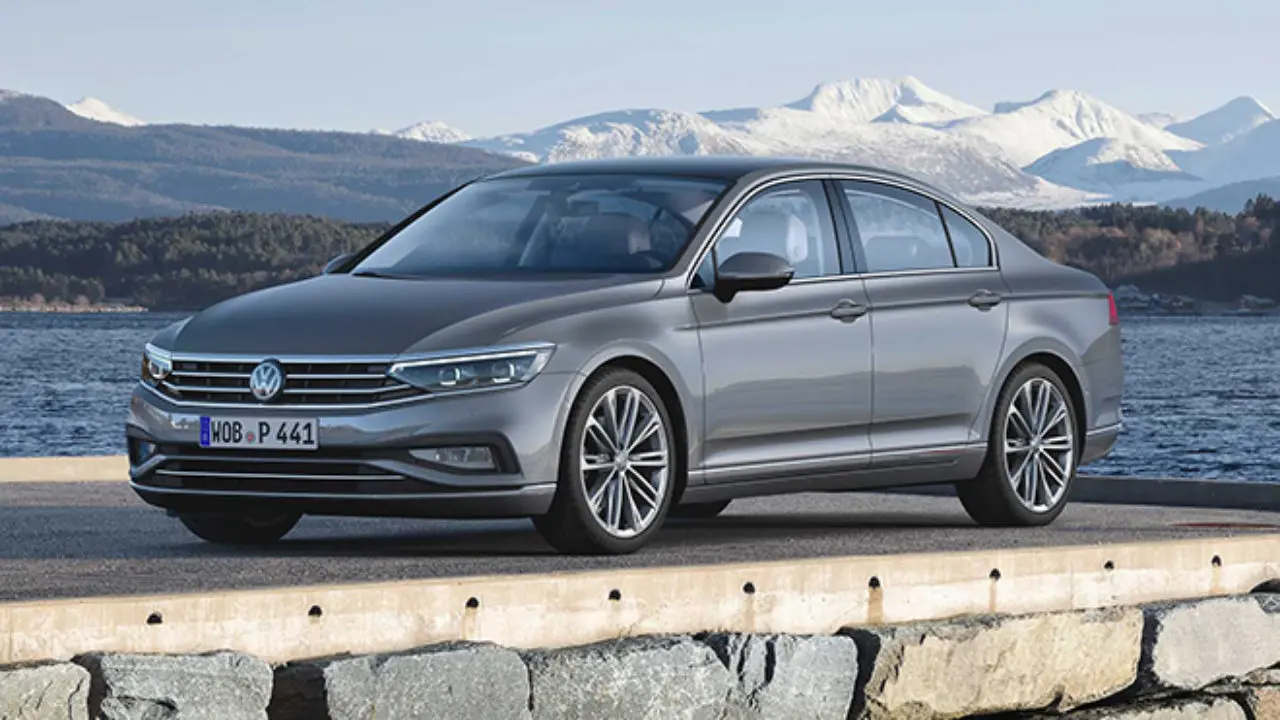
A D segment vehicle refers to the middle-upper class of automobiles that sit precisely between the compact C segment and the executive E segment in the global automotive classification system. These vehicles are primarily recognized for their elongated chassis, typically exceeding 4.6 meters in length, and their focus on providing superior comfort, spacious interiors, and robust engine performance. Designed for families and professionals alike, D segment vehicles serve as a versatile choice for long-distance travel and daily business operations, distinguishing themselves through higher material quality and advanced engineering compared to smaller alternatives.
- D segment vehicles occupy the market space between compact C segment cars and executive E segment luxury models.
- These automobiles feature larger dimensions, more powerful engines, and higher equipment levels to cater to comfort-oriented drivers.
- The segment encompasses various body styles including sedans, station wagons, liftbacks, and specialized SUVs.
- Prospective owners should consider that higher performance and luxury come with increased maintenance and fuel consumption costs.
What Defines a D Segment Vehicle?
The classification of a D segment vehicle extends beyond simple length measurements. While size is a primary indicator, manufacturers also evaluate internal cabin volume, hardware integration, and the overall market positioning of the car. These vehicles are engineered to offer a seamless blend of performance and luxury, often providing better legroom and cargo capacity than their smaller counterparts. This segment includes a diverse range of body types, from traditional sedans to more modern, versatile configurations like station wagons and specialized SUV variants.
What Features Are Expected from D Segment Cars?
Drivers choose D segment vehicles primarily for their ability to deliver a refined driving experience. Key features include a significantly larger interior space, which is especially noticeable in the rear seating area, and extensive trunk capacity for long journeys. Furthermore, these cars are equipped with high-quality interior materials, advanced safety systems, and more sophisticated infotainment technology. The engineering focus is consistently on providing a smooth ride, ensuring that passengers remain comfortable even during extended periods on the road.
Which Models Represent the Best D Segment Vehicles?
The market is saturated with high-performance options that define the current era of D segment motoring. Iconic models such as the Volkswagen Passat, BMW 3 Series, and the Skoda Superb have long been benchmarks for the industry. Other notable mentions that cater to various consumer needs include the Mercedes-Benz C-Class, Audi A4, Toyota Camry, Peugeot 508, and the Volvo S60. Choosing the ideal vehicle depends on individual budgetary constraints, intended use, and specific preferences regarding engine type and fuel efficiency.
How Do D Segment and C Segment Vehicles Differ?
The primary distinction between D segment and C segment vehicles lies in the balance between economy and luxury. While C segment cars prioritize efficiency and urban maneuverability, D segment models emphasize power, interior comfort, and long-distance capability. This premium positioning, however, implies higher ownership costs, including increased expenses for fuel, maintenance, and insurance. For those who prioritize a spacious cabin and a sophisticated drive, the investment in a D segment vehicle remains a highly attractive proposition in the modern automotive landscape.
We are curious to hear about your driving preferences; do you prioritize the compact efficiency of a C segment car or the spacious luxury of a D segment vehicle? Please share your thoughts and experiences in the comments section below.
Your comment has been submitted,
it will be published after approval.