
What is an E Segment Vehicle? Top Executive Class Models

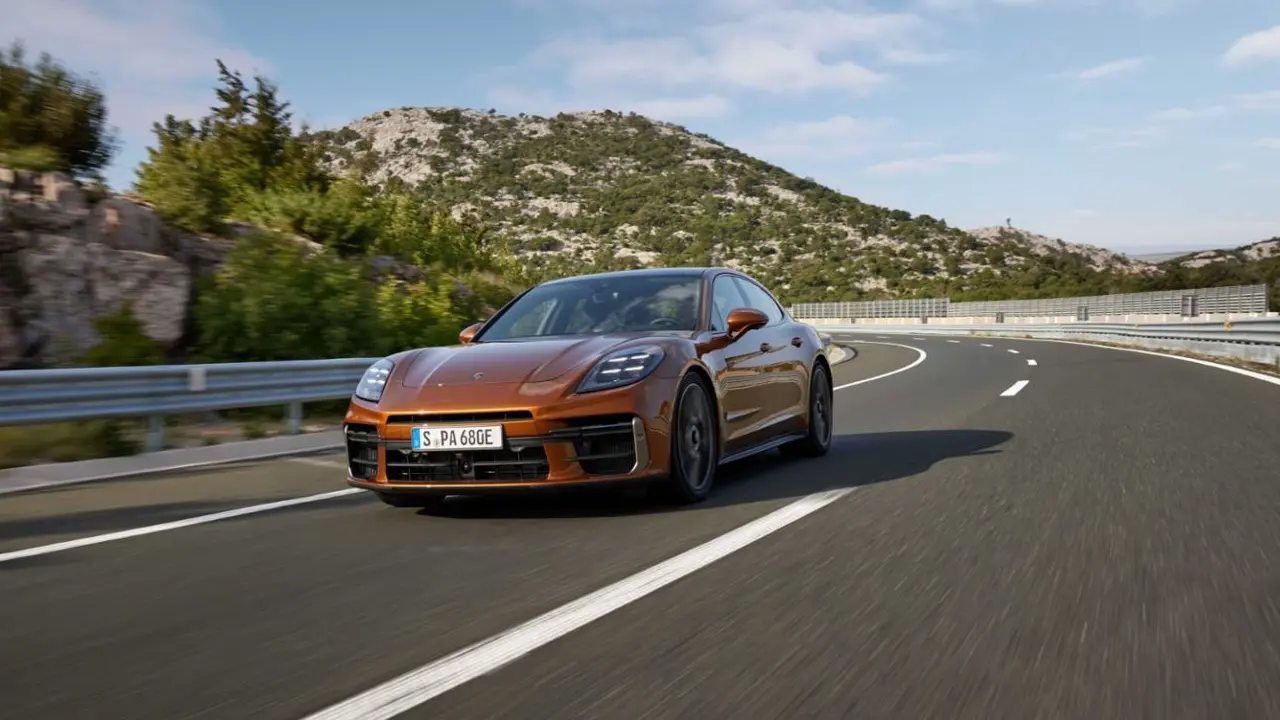
In the global automotive industry, E segment vehicles, often referred to as the Executive Class or Upper-Middle Class, represent a category of luxury automobiles engineered to deliver a sophisticated blend of high-performance engineering, superior passenger comfort, and advanced technological integration. Positioned above the D segment in size and refinement, these vehicles serve as the preferred choice for high-level executives and drivers who prioritize prestige and long-distance travel capabilities. By offering more expansive cabin dimensions, premium interior materials, and significantly more powerful engine configurations, E segment vehicles provide a distinct step up in luxury and status compared to their mid-size counterparts.
- E segment vehicles offer larger cabin dimensions and more powerful engine options than D segment models.
- These luxury automobiles prioritize advanced safety features and high-end multimedia systems for occupants.
- Owners must account for higher operational costs including maintenance, insurance, and fuel consumption.
The primary appeal of the E segment lies in its ability to masterfully combine dynamic driving characteristics with a serene, spacious interior environment. These vehicles are designed specifically to minimize fatigue during extended travel, making them the industry standard for business transportation. Every element, from the seating ergonomics to the acoustic insulation, is tailored to ensure that passengers remain comfortable regardless of the distance covered. 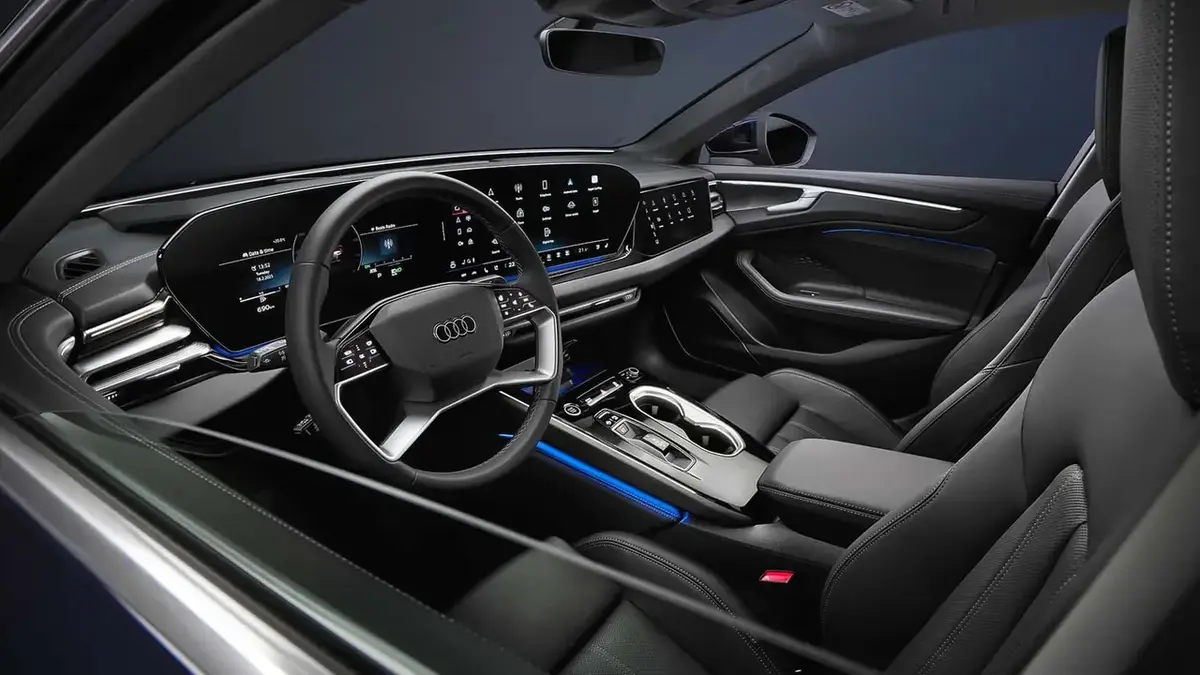
Why E Segment Vehicles Are Preferred by Drivers
Drivers who opt for the Executive Class benefit from a comprehensive suite of modern safety technologies, including sophisticated driver-assistance systems that manage traffic, lane positioning, and collision avoidance. Furthermore, the interior cabin is crafted with high-grade leather, real wood, or premium metal accents, elevating the overall tactile experience. The generous trunk capacity further emphasizes the vehicle’s utility for business travelers or families who require extra cargo space without compromising on elegance.
However, entering the E segment requires a realistic assessment of the total cost of ownership. Beyond the initial purchase price, these vehicles demand higher expenditures for specialized maintenance, high-performance tires, and increased insurance premiums. Additionally, the substantial physical dimensions of these cars can present challenges when navigating tight urban environments or finding suitable parking spaces in congested city centers.
Which Models Are Considered the Best E Segment Vehicles
The market for E segment vehicles is fiercely competitive, with global manufacturers vying to offer the most innovative features. Leading models in this class include the Mercedes-Benz E-Class, the BMW 5 Series, the Audi A6, and the Volvo S90. These vehicles have long served as benchmarks for the industry, consistently setting the bar for performance and design.
For those seeking alternatives beyond the traditional European stalwarts, options such as the Genesis G80, Lexus ES, and the Jaguar XF provide unique aesthetic and technological propositions. Furthermore, the segment has expanded to include high-performance and electrified options such as the Porsche Panamera and the Tesla Model S, reflecting the modern shift toward sustainable yet powerful automotive engineering. Models like the Maserati Ghibli, Cadillac CT5, and DS 9 also offer distinctive styling for those who wish to stand out from the conventional choices.
How E Segment Differs From D Segment
The core difference between the D and E segments is found in the intent of the design. While D segment cars are often designed as versatile daily drivers, E segment vehicles are crafted as executive tools that prioritize comfort and status. The internal components, engine refinement, and technical loadouts in an E segment car are generally more advanced, ensuring a more seamless and powerful driving experience. This transition to the E segment represents a significant upgrade in both engineering complexity and luxury standards.
If you are considering upgrading to a luxury sedan, which of these models do you find most appealing for your daily commute or business travel, and why? Share your thoughts in the comments section below.
Your comment has been submitted,
it will be published after approval.