

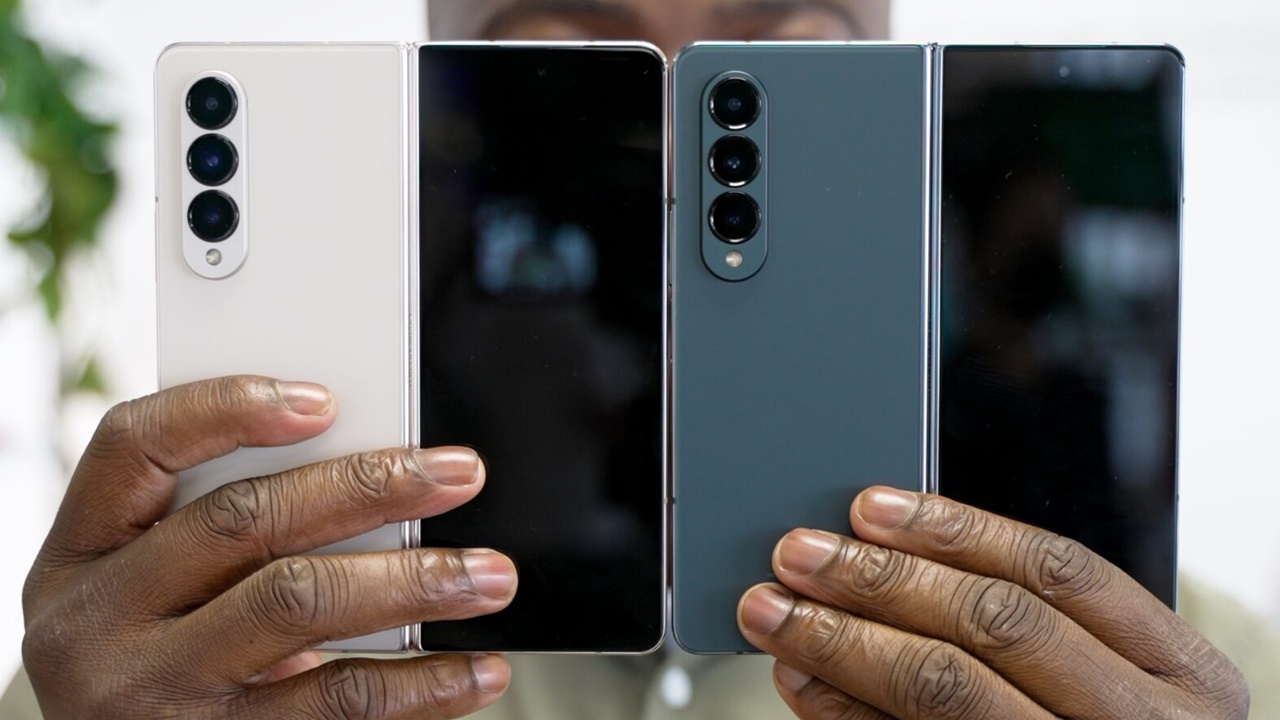
The foldable smartphone market has reached a critical turning point in its ten-year journey by 2025. The bulky designs, delicate hinge mechanisms, and durability issues encountered in the early years of the sector are largely behind us.
Foldable phones are maturing
Models like the Samsung Galaxy Z Fold 7 and Google Pixel 10 Pro Fold prove that devices in this category are no longer just technological experiments, but fully mature products for daily use. Samsung, in particular, managed to overcome one of the biggest physical obstacles for foldable devices with the Galaxy Z Fold 7.

The new device, weighing 215 grams and with a closed thickness of 8.9 millimeters, offers a lighter structure than the brand’s traditional flagship S25 Ultra. Despite its massive 8-inch internal screen, the device achieves standard phone ergonomics, completely eliminating the bulky design that was a major complaint of previous generations.
The biggest leap in durability, however, came from Google. Despite the complexity of its hinge structure, the Pixel 10 Pro Fold became the first major foldable phone to receive IP68 certification, providing full protection against both water and dust.
This development minimized the risk of dust and dirt seeping through the hinges and damaging the screen panel. The screen crease, another point of concern for users, was no longer a visual flaw.
Thanks to advancements in panel technology, this crease is now almost invisible from a frontal view, eliminating it as a factor affecting the user experience. However, one problem remains overshadowed by all these technical achievements: the high price policy.
While manufacturers have addressed all hardware issues, the upward trend in prices remains the biggest obstacle to reaching a wide audience. For example, the Samsung Galaxy Z Fold 7’s starting price of $2,000 is approximately $200 higher than models from two years ago.