
WhatsApp is Developing New Call Filtering for Android Users

WhatsApp is actively developing a sophisticated new call filtering feature for its Android platform, aiming to provide users with a robust defense against unwanted communications. As identified in the recent Android beta update 2.26.41.4, this functionality is designed to help users intelligently manage incoming calls from numbers not saved in their contacts. By implementing a system that generates automated responses and converts them into readable text, WhatsApp allows users to determine the purpose of a call before answering. This innovation seeks to enhance user privacy and control, ensuring that important notifications remain distinct from spam across the global Android ecosystem.
- WhatsApp is testing a three-stage filtering system to manage incoming calls from unknown numbers.
- The feature utilizes on-device transcription technology to identify the caller’s intent without compromising data privacy.
- Users will gain granular control over their privacy settings by choosing between different automated response protocols.
WhatsApp Introduces Enhanced Call Filtering Options
The current “Silence Unknown Callers” feature has served as a primary tool for blocking unwanted intrusions, yet it often proves too restrictive. Many users inadvertently miss critical communication, such as delivery updates or medical appointment reminders, because these legitimate calls often originate from unsaved numbers. To address this limitation, WhatsApp is introducing a more nuanced approach. By providing three distinct settings—Never, Silence, and Auto-Reply—the platform is empowering users to customize their experience based on their personal communication requirements.
Users Can Customize Their Call Preferences
The upcoming privacy settings will allow users to define how the application handles unrecognized callers. The “Never” option will notify users of every incoming call, while the “Silence” option will continue to mute unknown callers as per the current standard. The most significant addition is the “Auto-Reply” feature. When enabled, WhatsApp will prompt the unknown caller to state their purpose. The application then uses local, on-device transcription technology to present the caller’s response as a text message on the user’s screen. 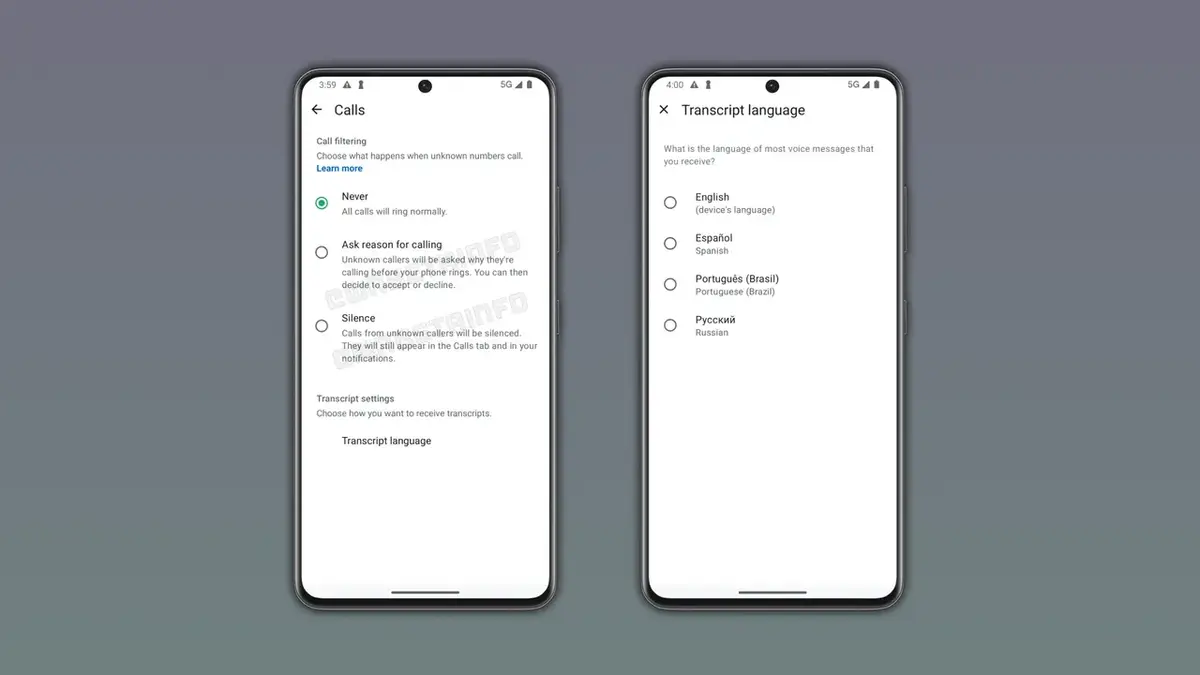 This ensures that the user can make an informed decision about whether to answer the call or ignore it entirely.
Privacy Standards Remain a Priority
WhatsApp has emphasized that this transcription process occurs entirely on the user’s device. By leveraging local language packs, the system avoids sending voice data to external servers, which aligns with the company’s commitment to end-to-end encryption. Since no personal audio data leaves the device, the security of the user is maintained throughout the process. This approach is similar to the technology used in existing voice message transcription features, ensuring that user privacy is never sacrificed for functionality.
Apple Inspires the New Android Feature
The concept of call screening is already familiar to iPhone users, as Apple introduced similar capabilities in earlier iOS versions. By transcribing incoming calls in real-time, the feature has proven highly effective at helping users filter spam from legitimate requests. WhatsApp is now working to bring this high level of utility to the Android community, reflecting a broader industry trend toward smarter call management. This strategic update is expected to significantly improve the user experience, particularly in regions where spam calls are increasingly prevalent.
Future Updates Will Expand Availability
Although the feature has been spotted in the latest beta version, it is still currently in the development phase. WhatsApp has not yet released the tool to the general public or even to the full beta testing group. The company plans to roll out these capabilities in future software updates, though a definitive timeline for a stable release remains unannounced. As the platform continues to refine the technology, users can expect more information regarding the global rollout in the coming months.
How much do you believe this new call filtering feature will improve your ability to manage spam calls in your daily life? We invite you to share your thoughts and expectations in the comments section below.
Your comment has been submitted,
it will be published after approval.