
WhatsApp Mac Interface Receives a Modern Liquid Glass Overhaul

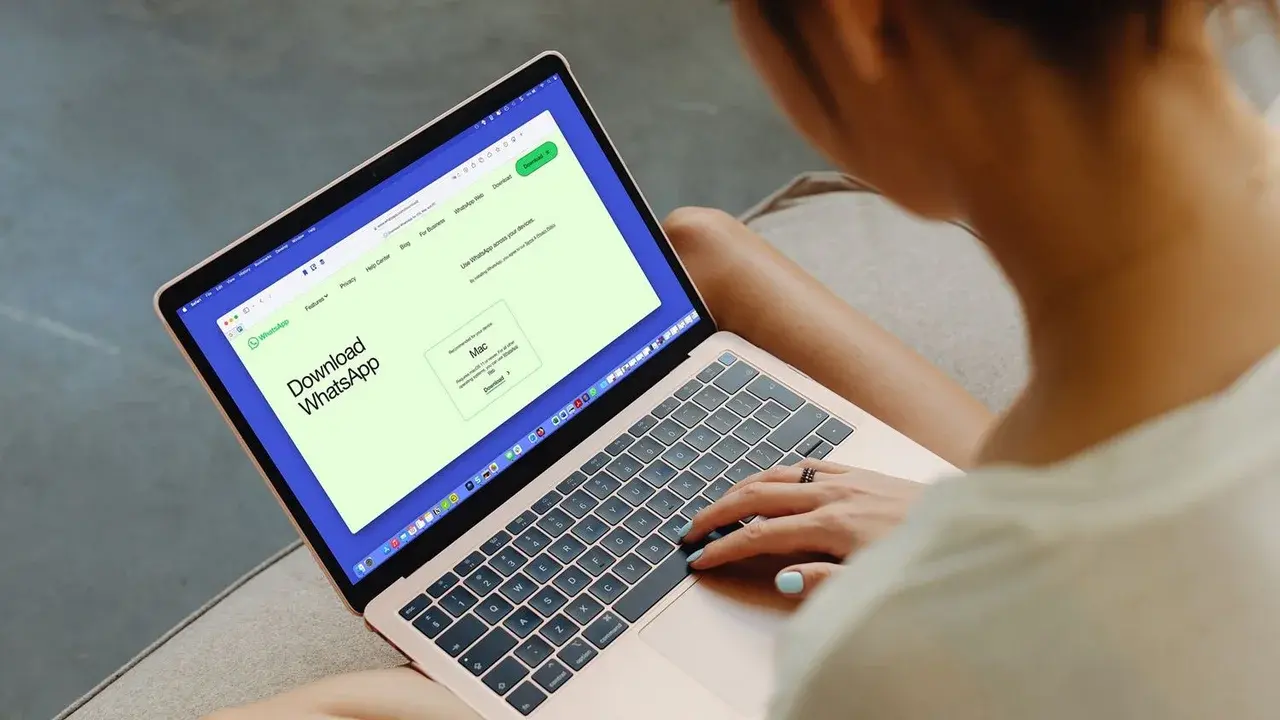
WhatsApp has officially launched a comprehensive visual redesign for its Mac application, bringing the modern Liquid Glass design language to desktop users. Released via the Mac App Store, this update aims to unify the messaging experience across Apple platforms, ensuring that the desktop version feels as intuitive and polished as its iOS and iPadOS counterparts. By aligning the interface with Apple’s current design standards, the company is finally closing the aesthetic gap that has long existed between mobile and desktop iterations of the world’s most popular messaging platform.
- The update introduces the Liquid Glass design language to improve aesthetic consistency across Apple devices.
- The redesigned sidebar now features dedicated sections for locked chats and community management.
- Locked chats require authentication within a private area to enhance user security.
- The rollout follows a phased distribution strategy that will reach all users in the coming weeks.
Visual Language Shifts to Liquid Glass
The transition to the Liquid Glass design is not merely a superficial change but a deep restructuring of how users interact with the application on macOS. For years, the desktop version lagged behind the mobile app in terms of visual fluidity and responsiveness. This new update, which represents the culmination of a year-long development cycle, replaces older, static elements with dynamic, high-fidelity components that integrate seamlessly with the macOS environment.
This redesign marks the most significant visual evolution of the WhatsApp Mac application since its inception.
Key interface elements, including the chat bar and the attachment menu, have been completely rebuilt. These changes prioritize minimalism and ease of use, allowing users to navigate through their conversations without visual clutter. The new sidebar is particularly notable, as it organizes essential functions in a way that feels native to Apple hardware, effectively reducing the learning curve for long-time mobile users transitioning to their laptops or desktops.
New Features Organize User Interactions
Beyond the aesthetic upgrades, WhatsApp has introduced functional improvements to the interface layout. Previously, locked chats were integrated directly into the main chat list, which could complicate privacy management. In the updated version, these conversations have been moved to a separate, secure section that requires biometric or passcode authentication, mirroring the security architecture of the iPhone app.
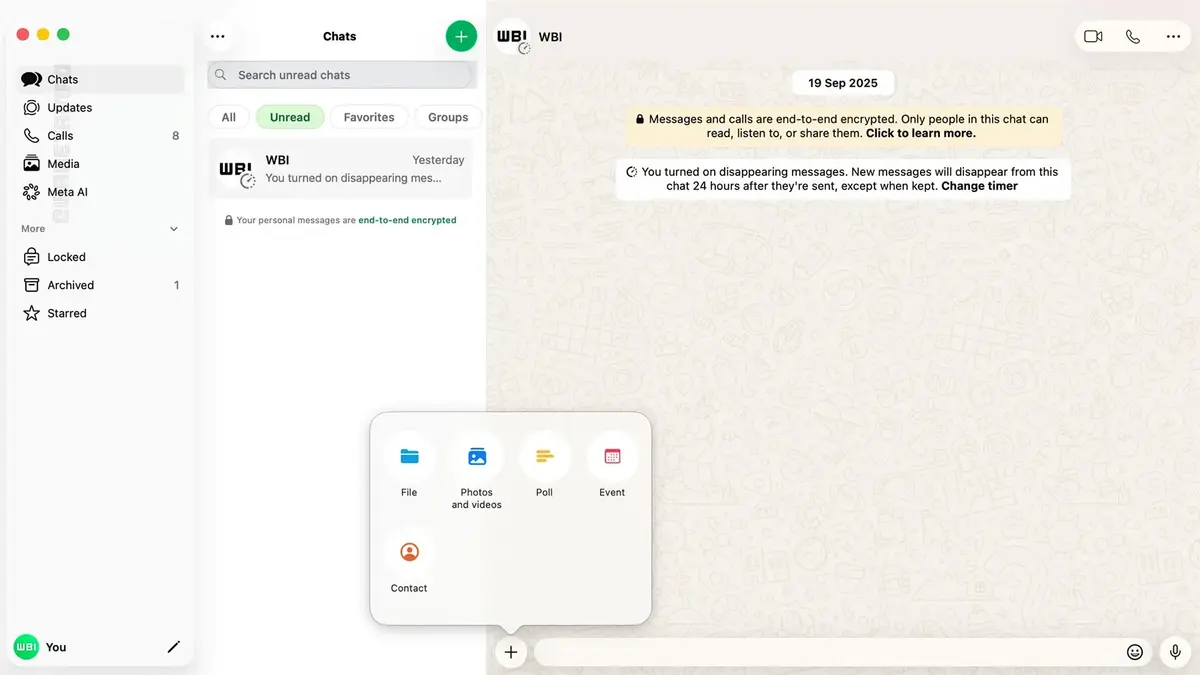
Additionally, the integration of the Communities feature directly into the sidebar represents a major improvement for power users. Previously, managing various groups and community-wide announcements required navigating through multiple sub-menus. Now, the dedicated sidebar section allows for rapid switching between different groups and communities, significantly increasing the overall efficiency of the messaging workflow.
Efficiency and security remain at the forefront of these structural interface improvements.
Phased Rollout Ensures System Stability
While the update is currently live on the Mac App Store, WhatsApp is employing a gradual rollout strategy to ensure the stability of the new interface across different macOS versions. Only a limited number of users have received the update thus far, but the company expects to expand availability to all accounts throughout the next few weeks. This careful approach is intended to mitigate potential bugs and gather user feedback before a full-scale global release. Mac users are encouraged to keep their applications updated to experience the latest improvements as soon as they become available for their specific region and system configuration.
We are curious to hear your thoughts on this major design shift; do you find the new Liquid Glass interface more intuitive for your daily workflow, or do you prefer the classic look of the previous version? Share your experiences in the comments section below.
Your comment has been submitted,
it will be published after approval.