
WhatsApp Users Face Access Issues Due to Old Software Versions

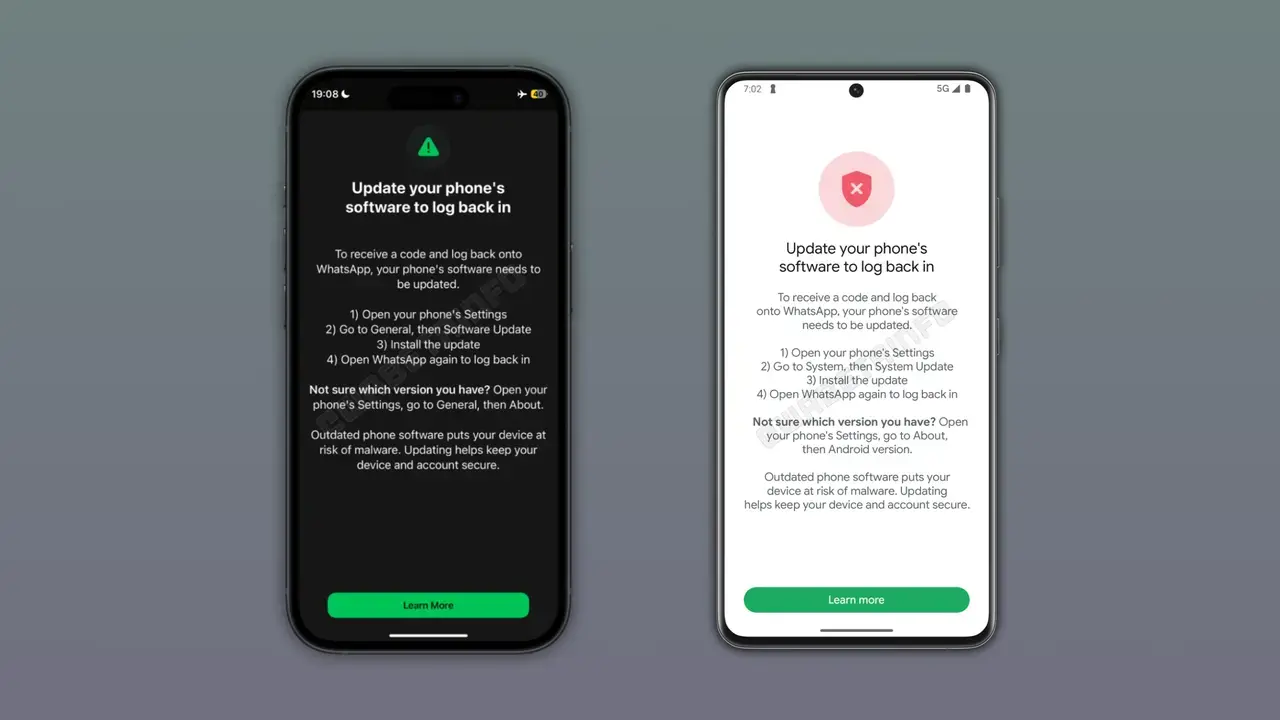
WhatsApp has officially implemented a strict new access restriction policy targeting users running outdated iOS and Android operating systems globally. This server-side update, which began rolling out recently, prevents individuals with legacy software from accessing their accounts to bolster overall platform security. Users affected by this change report being unable to send or receive messages until their device firmware is updated to the latest available version. By mandating these software requirements, WhatsApp aims to close critical security gaps that could potentially expose private user communications to unauthorized third-party interference.
- WhatsApp now mandates the use of current operating system versions to maintain account access.
- This server-side restriction affects specific users across both iOS and Android platforms simultaneously.
- Outdated software creates potential vulnerabilities that necessitate these strict security protocols.
- Restoration of account access requires users to complete the necessary device operating system updates.
Why Security Requirements are Increasing
While WhatsApp utilizes end-to-end encryption to secure user data, the effectiveness of this protection relies heavily on the underlying security of the host device. Outdated operating systems often contain unpatched vulnerabilities that cybercriminals can exploit to install malicious software. Once a device is compromised, attackers may intercept messages before they are encrypted or after they are decrypted by the application. Consequently, WhatsApp has identified older software as the weakest link in the digital security chain, necessitating these mandatory updates to protect the broader user base.
How the New Access Restrictions Operate
The system works by automatically detecting the version of the operating system during the login process. When a user with an unsupported version attempts to access the service, the application triggers an immediate warning screen. This interface explicitly informs the user that their current software is obsolete and prohibits further usage until a patch is applied. The platform does not allow users to bypass this screen, ensuring that all active connections meet the current minimum safety standards established by the company.
Misconceptions About the Software Update Policy
It is important for users to understand that these access issues do not stem from a software bug within the WhatsApp application itself. Rather, this is a calculated shift in compatibility policy designed to enforce modern security standards. If a user encounters the access restriction message, it serves as an indicator that the device’s software infrastructure is no longer capable of supporting current security protocols. Rather than being a technical error, this serves as a precautionary measure to prevent data exposure on vulnerable hardware.
The Long-Term Security Strategy Continues
This initiative represents one component of a broader security strategy that includes blocking unofficial web clients and implementing advanced suspicious message detection. By forcing a specific security standard for application functionality, the company intends to provide a more resilient environment for its global user base. Given the evolving nature of digital threats, users should expect similar requirements to arise in the future as technology standards progress. Regularly monitoring for operating system updates has now become an essential habit for maintaining access to modern communication tools.
Have you encountered a mandatory update notification while trying to access your messaging apps recently? We would love to hear your thoughts on whether these stricter security measures are necessary for older devices. Please share your experiences and perspective in the comments section below.
Your comment has been submitted,
it will be published after approval.