
Which Apple Devices Support iOS 27 and Siri AI?


Apple has officially announced its iOS 27 update, confirming that while the software will support a wide range of devices dating back to the iPhone 11, the advanced Siri AI features are restricted to a select few. The company has clarified that not all handsets capable of running the latest operating system possess the necessary hardware to handle the heavy computational demands of Apple Intelligence. Consequently, users with devices older than the iPhone 15 Pro, including the standard iPhone 15 and 15 Plus models, will be unable to access the new, sophisticated Siri AI capabilities. This technological divide highlights the significant hardware requirements imposed by Apple’s transition toward on-device artificial intelligence.
- The iOS 27 update supports a broad range of legacy iPhones, but high-end AI features require advanced hardware architectures.
- Only the iPhone 15 Pro, 15 Pro Max, and newer models are capable of executing the full suite of Siri AI functionalities.
- Apple Intelligence relies on specific processing power, meaning older devices remain excluded from the most advanced assistant capabilities.
The distinction between iOS 27 compatibility and Siri AI support is a critical factor for current iPhone users. While older models such as the iPhone 11, 12, 13, and 14 series can successfully install iOS 27, they will only benefit from basic system improvements and general operating system enhancements. These devices lack the specialized neural engines required to run the new, context-aware Siri, which is designed to process information from emails, messages, and photos directly on the device.
The new Siri AI operates on a completely different architecture than its predecessor, prioritizing personal context to provide more accurate and helpful responses.  Furthermore, the system integrates advanced text generation and editing capabilities, allowing users to draft or refine content directly within various applications. For many, the lack of AI support on standard iPhone 15 models may serve as a primary motivation for upgrading to the Pro series or newer iterations.
Hardware Requirements Determine Feature Availability
Beyond the iPhone lineup, the hardware requirements extend to iPad and Mac devices as well. To utilize these artificial intelligence features, iPads must be equipped with an A17 Pro chip or later, while Mac users require an M1 processor or a more recent Apple Silicon chip. Meanwhile, the Apple Watch manages these features through a connected, compatible iPhone, provided the user has a Series 9, Ultra 2, or SE 3 model.
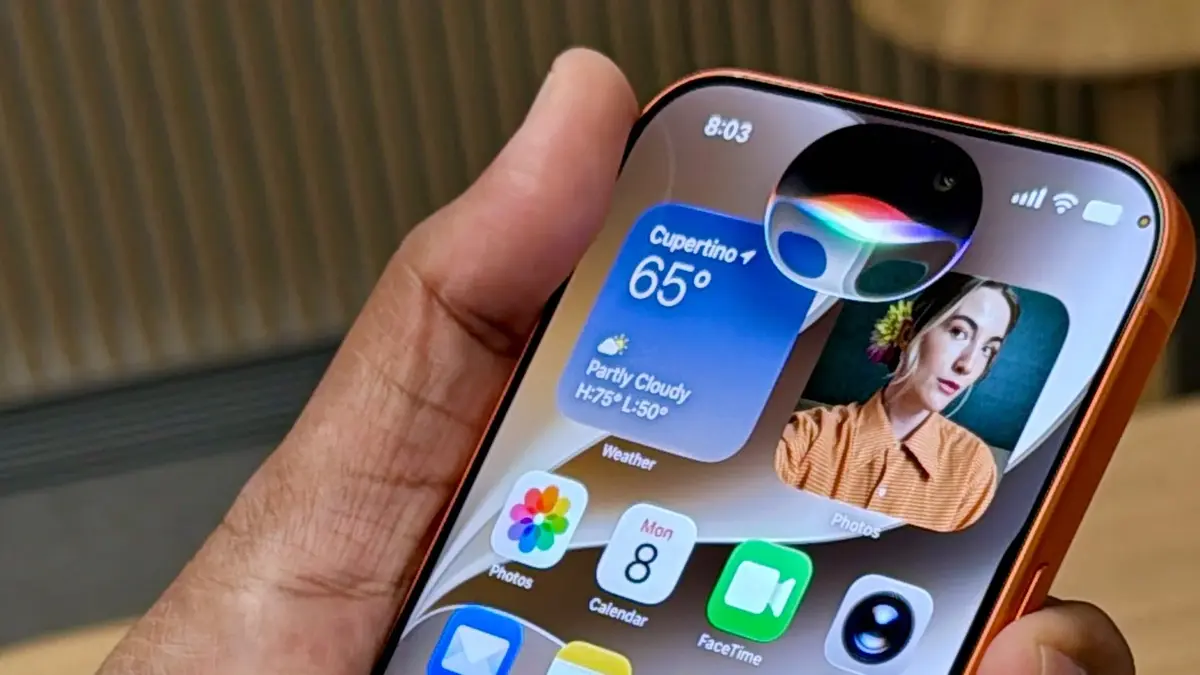 Regional limitations also play a significant role in the initial rollout of the technology. Currently, Siri AI is available only in English as a beta release. Notably, the European Union faces specific regulatory restrictions that prevent the immediate deployment of these AI tools. While Turkey is not included in these EU-based restrictions, the platform currently lacks initial support for the Turkish language, with Apple promising to expand language compatibility in future updates.
As Apple continues to refine its ecosystem, the gap between standard OS updates and AI-enhanced features will likely widen. The company is positioning its latest hardware as the foundation for a more intuitive, personal computing experience. However, this shift necessitates a clear understanding of device limitations for consumers planning their next purchase.
We are curious to hear your thoughts on Apple’s strategy to limit advanced AI features to its most powerful devices. Do you feel that the hardware requirements are justified, or would you have preferred to see broader compatibility? Please share your opinions in the comments section below.
Your comment has been submitted,
it will be published after approval.