
Why Electric Vehicle Repair Profiles Impact Total Ownership Costs

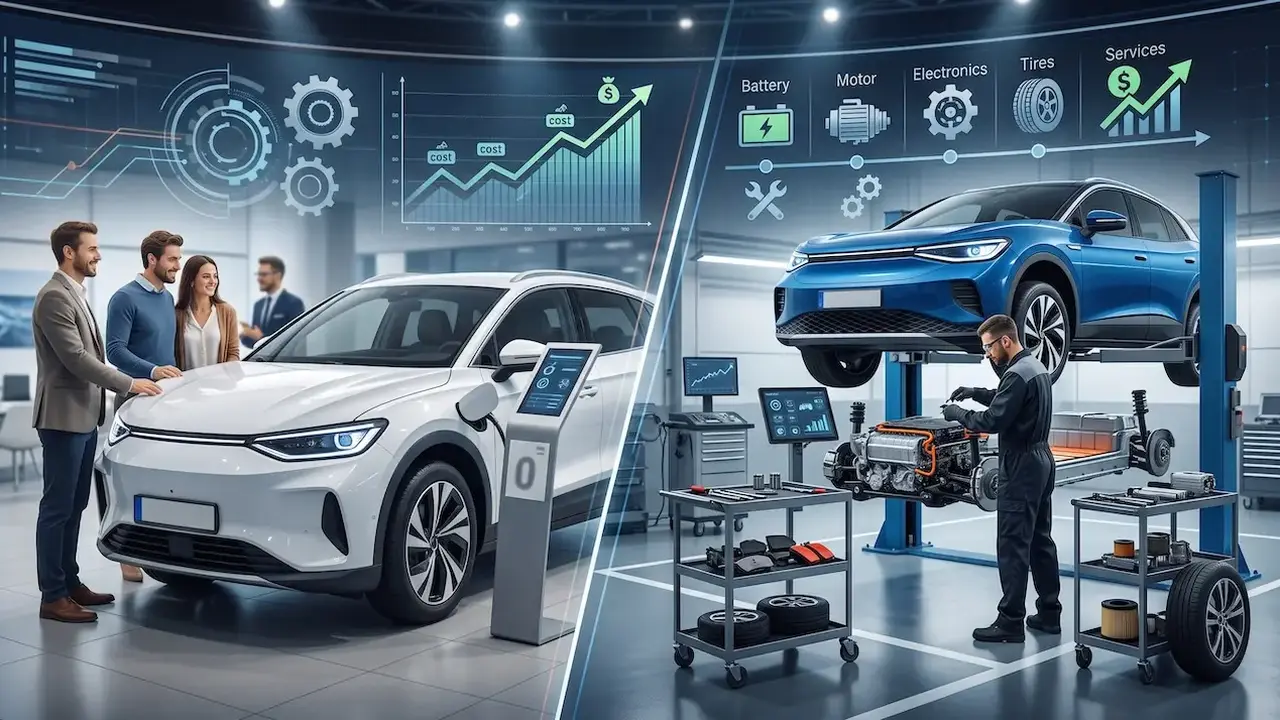
When purchasing a vehicle, consumers often prioritize the initial sticker price, yet the long-term financial burden is increasingly defined by the complex repair profile of modern automobiles. As the automotive industry shifts toward electrification and advanced driver-assistance systems (ADAS), the gap between purchase cost and maintenance expenditure has widened significantly. For drivers of electric vehicles (EVs), this reality frequently surfaces not at the dealership, but during the annual renewal of their insurance policies. Understanding how sensor density and battery architecture influence repair requirements is essential for owners to manage their total cost of ownership effectively.
- Modern vehicle sensors and ADAS components require specialized calibration processes that increase standard repair costs.
- Electric vehicle battery packs necessitate professional diagnostic assessments even after minor undercarriage impacts to ensure structural integrity.
- Insurance policies for electric vehicles must be carefully reviewed to cover specific risks like charging equipment and software-based repairs.
Sensors Increase the Complexity of Electronic Repair Processes
A decade ago, a vehicle’s front bumper was primarily a protective plastic component that required simple cosmetic attention. Today, the same bumper houses sophisticated park sensors, distance radar arrays, and surround-view cameras. The integration of windshield-mounted cameras for lane-keeping and emergency braking creates a delicate electronic ecosystem. When these components sustain damage, simple physical repairs are no longer sufficient.
Restoring a vehicle to its factory specifications now requires advanced calibration performed by trained technicians using proprietary software and equipment. Even a low-speed impact that leaves no visible body damage can trigger an expensive electronic service ticket. These hidden costs are a primary reason why repair profiles now differ so starkly from traditional internal combustion engine vehicles.
Battery Damage Necessitates Specialized Diagnostic Procedures
The high-voltage battery pack remains the most expensive single component in an electric vehicle. Because these packs are typically positioned along the vehicle’s floor, they are susceptible to undercarriage impacts. Even if the outer casing shows no signs of deformation, manufacturers mandate professional inspections to verify the integrity of the internal cells.
Authorized service networks play a critical role here, as many manufacturers now favor module-level repairs over full-pack replacement. However, if a service center lacks the necessary expertise or parts, the vehicle may remain out of commission for extended periods. This downtime increases costs associated with towing and vehicle rentals, making comprehensive insurance coverage vital.
Comprehensive Insurance Protects Against Unforeseen Financial Risks
Many new drivers confuse the mandatory traffic insurance with comprehensive coverage known as ‘kasko.’ While traffic insurance covers damages to third parties, it does not address repairs for the owner’s own vehicle. Given the high technology costs associated with EVs, relying solely on basic coverage is often insufficient. Owners should consult the official vehicle value lists provided by insurance associations to understand the baseline reference for their model’s valuation.
Electric Vehicle Owners Must Carefully Manage Future Expenses
While EVs offer lower fuel and routine maintenance costs, insurance premiums and repair expenses are higher. The first year of ownership may appear economical, but the true financial landscape often emerges during the second-year policy renewal. When comparing insurance offers, owners should look beyond the premium amount to examine terms regarding original parts usage, the availability of replacement vehicles, and coverage for proprietary charging cables and wall units.
Ultimately, as the electric vehicle market matures, drivers must become more diligent in reviewing their policy documents. Monitoring specific inclusions regarding software updates and hardware calibration will prevent unexpected out-of-pocket expenses. Being informed today ensures that the technological advancements of tomorrow do not become a financial burden.
Have you experienced unexpected costs during an insurance renewal for your electric vehicle, or are you satisfied with your current coverage? Share your insights and experiences in the comments section below to help other EV owners navigate these complex insurance decisions.
Your comment has been submitted,
it will be published after approval.