
Why Putting Your Overheating Phone in the Fridge is Dangerous

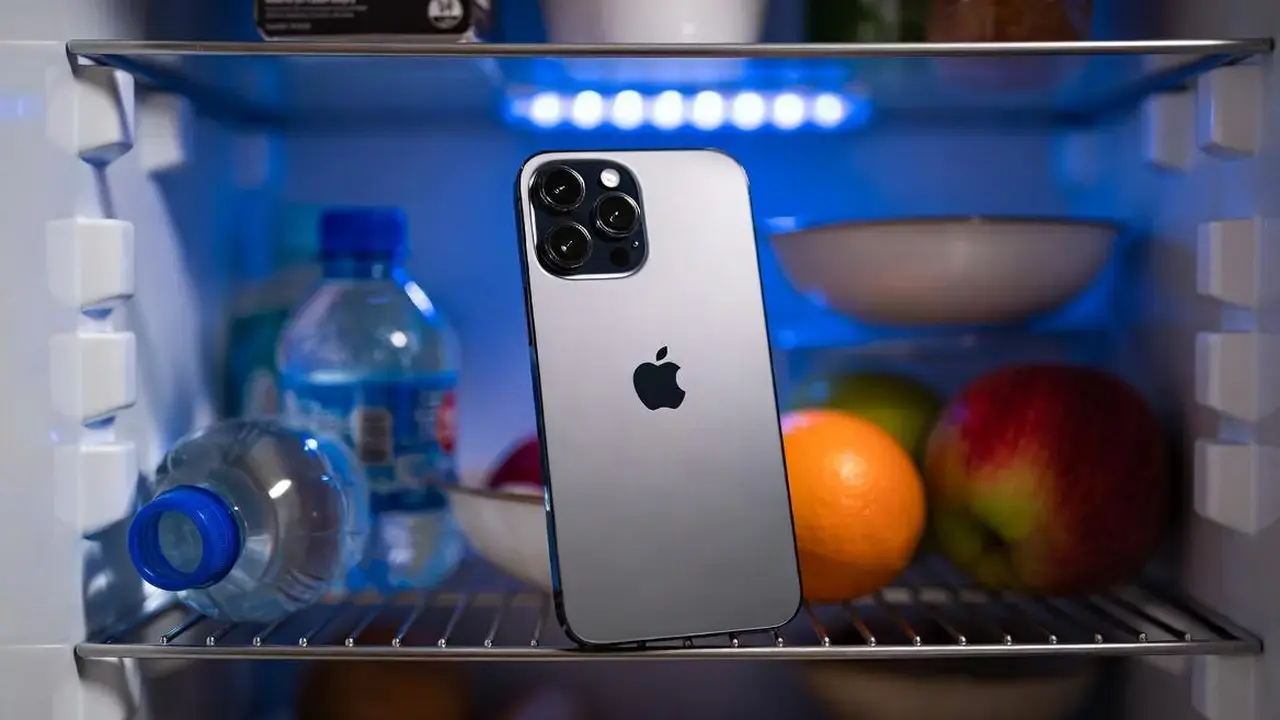
As extreme heatwaves sweep across Europe and the United Kingdom this summer, many users are attempting to cool down their overheating smartphones and tablets by placing them in refrigerators or freezers. Technical experts and service centers have reported a significant rise in device failures directly linked to these misguided cooling attempts. According to repair specialist Jamie Farnell, exposing electronics to extreme cold is a critical error that causes permanent hardware damage, including liquid ingress, cracked screens, and swollen batteries. Rather than providing relief, these amateur cooling methods are leading to catastrophic electrical malfunctions across the continent.
- Placing hot devices in refrigerators causes internal condensation that leads to short circuits.
- Sudden temperature shifts permanently compromise device seals and internal adhesive integrity.
- Incorrect cooling methods significantly increase the risk of battery swelling and potential explosions.
Sudden Temperature Changes Destroy Internal Components
Moving a smartphone from a high-temperature environment directly into a freezing one triggers a dangerous physical reaction inside the device. The rapid cooling causes trapped air to condense, turning into moisture that settles on delicate logic boards. This process, often invisible to the user, leads to internal corrosion and electrical shorts that render the device unusable.
Condensation formed during fridge-cooling drastically reduces the operational lifespan of electronic circuits.
While the external casing might feel cool to the touch, the core components are suffering from thermal shock. Most modern smartphones are engineered to withstand standard operating temperatures, but they are not designed to survive the rapid thermal expansion and contraction caused by being placed in a freezer.
Battery Swelling and Explosion Risks Increase
Lithium-ion batteries are particularly sensitive to environmental stress. While high ambient heat is already harmful, the shock of sudden cooling destabilizes the chemical composition of the battery cells. Repair technicians recently documented an iPad battery that swelled and ruptured after being subjected to such conditions, posing a severe safety hazard to the owner.
Modern consumer electronics are not designed to withstand extreme thermal fluctuations.
Furthermore, the structural integrity of a phone relies on specialized adhesives and gaskets that hold the screen and casing together. Extreme cold causes these materials to lose their elasticity and fail, leaving the device vulnerable to dust and further moisture infiltration long after the cooling attempt has ended.
Natural Cooling Methods Should Be Applied
Experts draw a direct parallel between the dangerous habit of refrigerating phones and the widely debunked myth of using rice to dry out water-damaged devices. Just as rice dust and starch clog charging ports and speakers, artificial cooling causes more harm than good. To safely manage an overheating device, users should remove protective cases, lower screen brightness, and place the unit in a shaded, well-ventilated area at room temperature.
The safest way to protect your device is to allow it to cool down naturally in a shaded area.
What methods do you use to keep your smartphone cool during these record-breaking heatwaves? Share your experiences and the precautions you take to protect your devices in the comments section below.
Your comment has been submitted,
it will be published after approval.