
Windows 11 ARM Gaming Test Reveals RTX 4060 Limitations

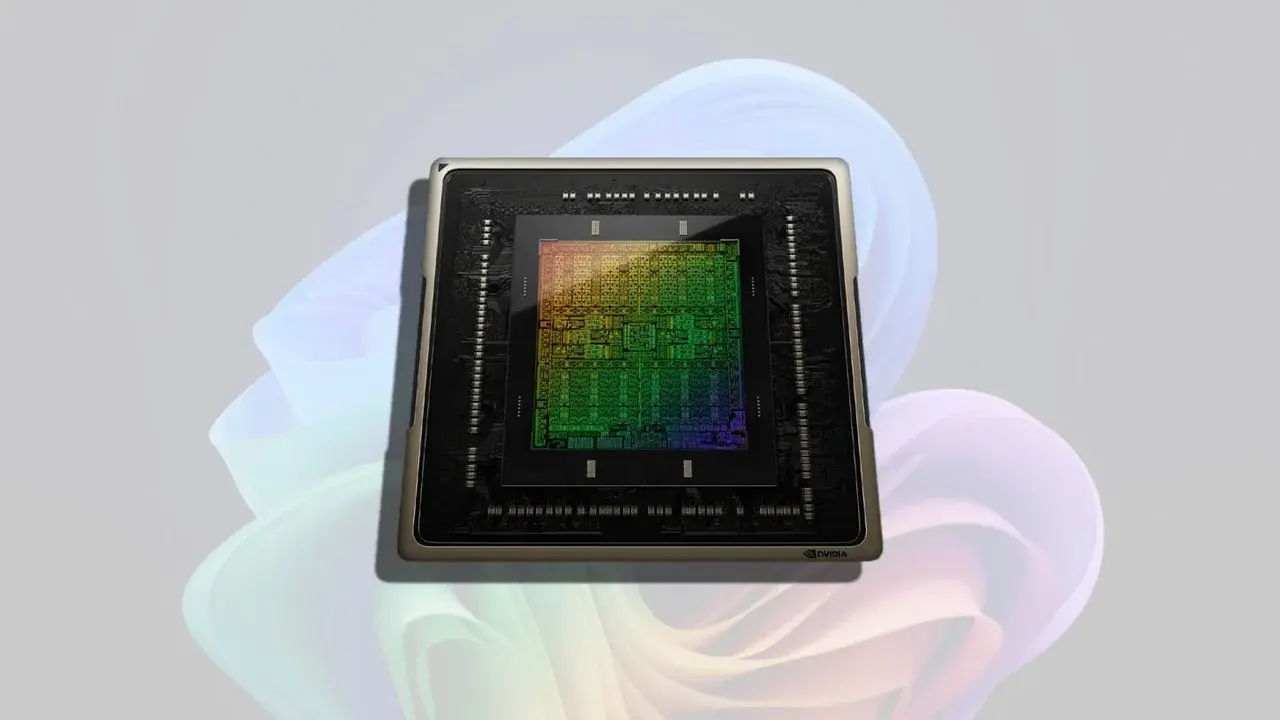
A recent experimental setup involving a Huawei Qingyun W510 server processor and an NVIDIA RTX 4060 graphics card has highlighted the significant hurdles facing Windows 11 ARM gaming. Conducted by a developer using the RTX Spark project, this test aimed to integrate high-performance desktop graphics with an ARM-based architecture. Despite the release of early native drivers designed for this platform, the combination failed to deliver a viable user experience. The results demonstrate that bridging x86-based hardware with Windows 11 ARM via emulation and custom patches remains a highly inefficient process for modern gaming.
- The integration of an RTX 4060 with an ARM-based server processor results in severe performance bottlenecks due to incompatible hardware architecture.
- Native drivers for the RTX Spark project allow for hardware recognition but fail to provide stable or high-speed gaming output.
- Benchmark tests confirm that games like Black Myth: Wukong and Genshin Impact struggle to exceed 20 FPS at 1080p resolution.
Hardware Incompatibility Hinders Graphics Performance
While Windows 11 on ARM provides a translation layer for x64 applications, kernel-level drivers require native support to function correctly. The RTX Spark project attempts to bridge this gap, yet the underlying hardware mismatch proves difficult to overcome. The Qingyun W510 processor, featuring 24 cores and 32GB of DDR4 RAM, acts as a major bottleneck for the RTX 4060. 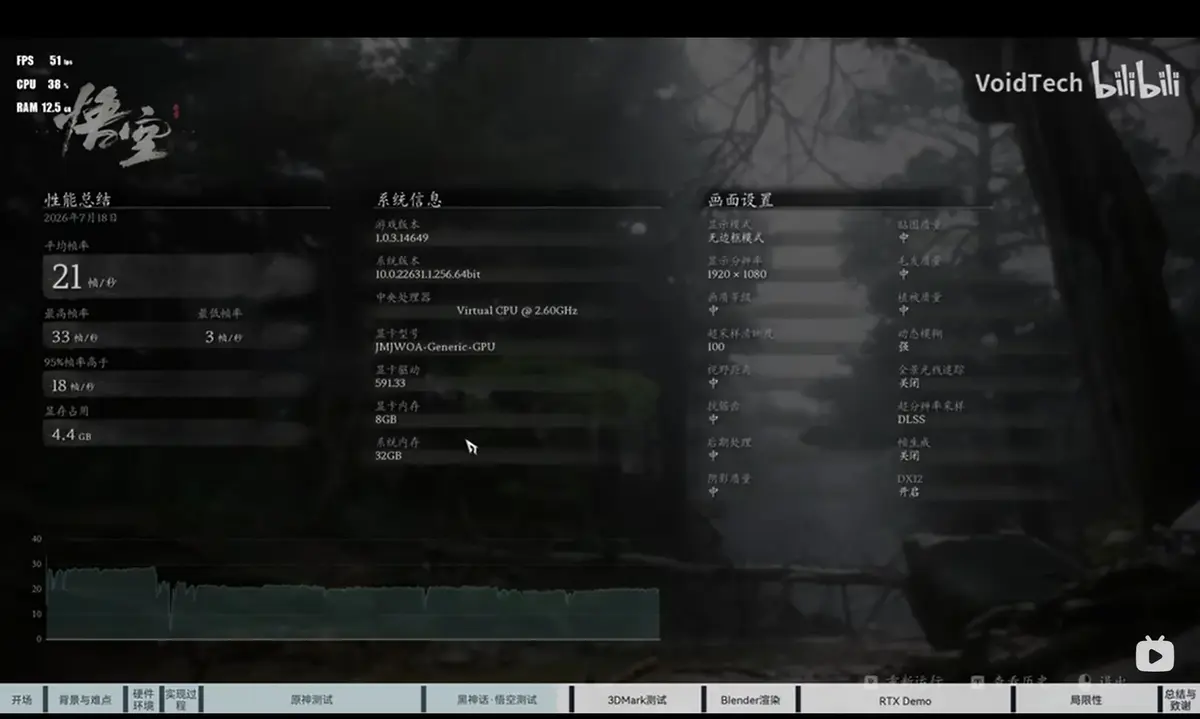 The lack of robust single-core performance on the ARM server chip prevents the GPU from executing instructions at its intended capacity, leading to poor frame pacing and latency issues.
The current state of ARM-based gaming hardware demonstrates that software emulation cannot yet compensate for fundamental architectural disparities.
Benchmark Scores Indicate Low Efficiency Levels
Real-world testing scenarios paint a grim picture for enthusiasts hoping for native-like gaming performance. During high-demand gaming sessions, titles such as Black Myth: Wukong and Genshin Impact were restricted to roughly 20 to 21 frames per second at 1080p resolution. 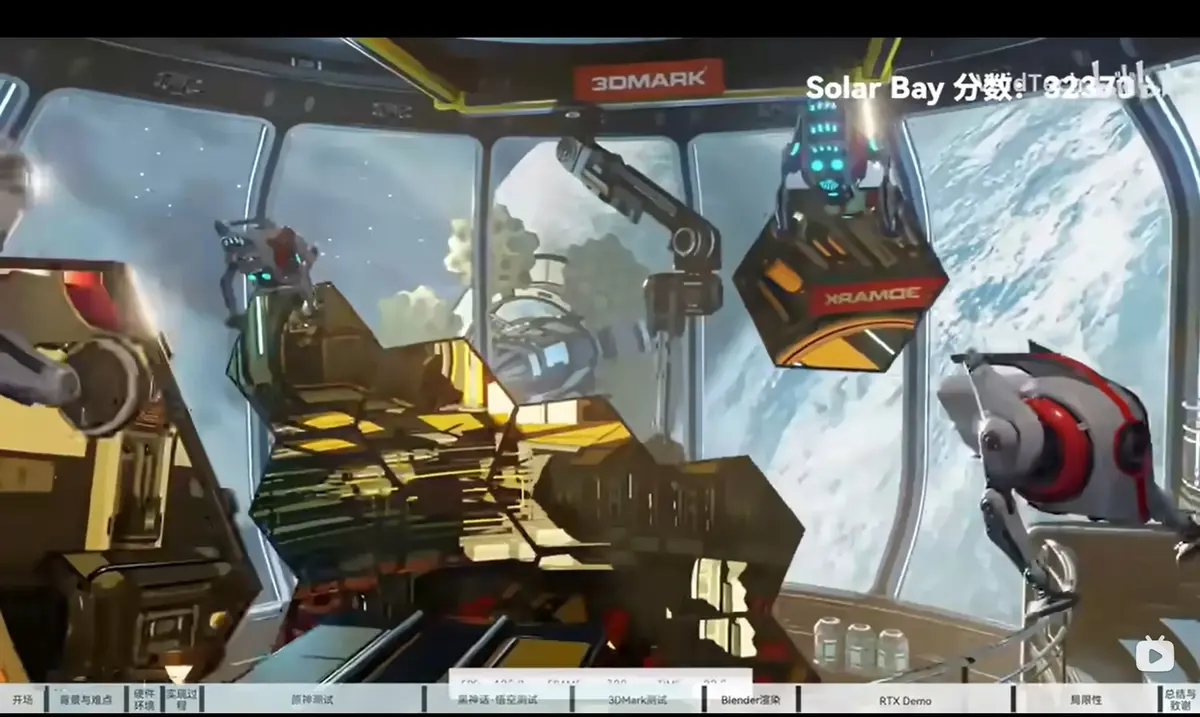 These figures are significantly lower than what a standard x86 system equipped with an RTX 4060 would produce.
 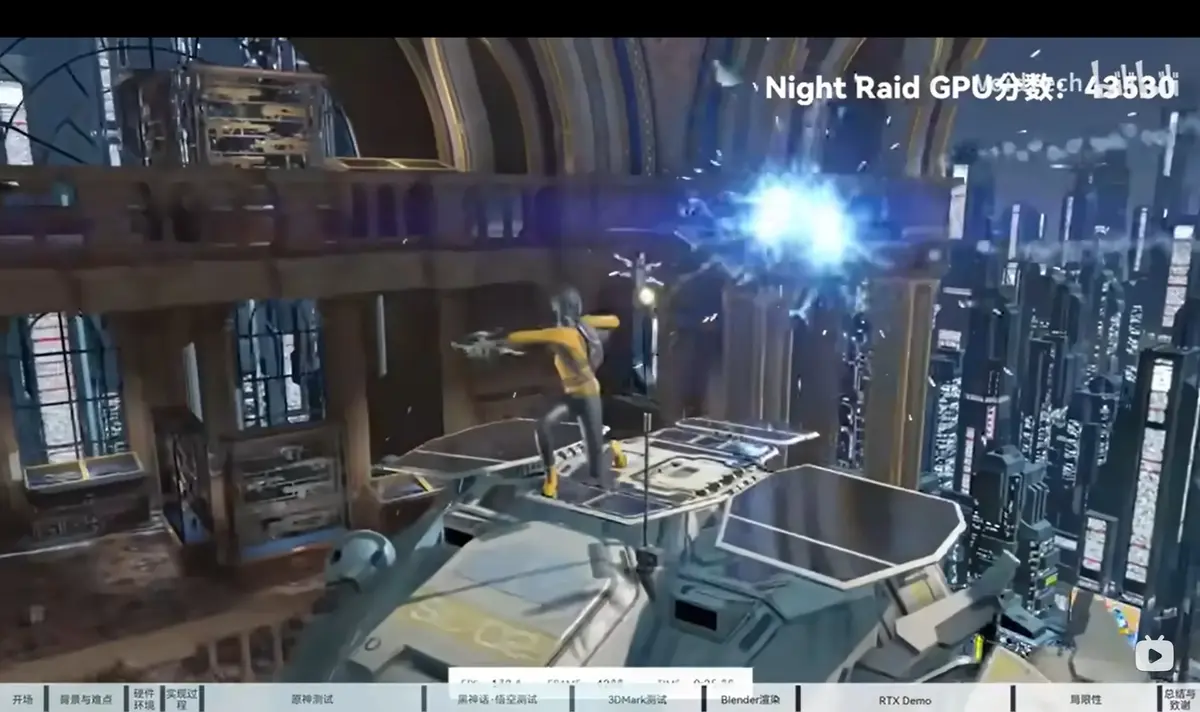 Furthermore, synthetic benchmarks underscore the struggle, with the system recording 43,530 points in Night Raid, 32,370 in Solar Bay, and only 2,252 in the more demanding Speed Way test.
Achieving stable gaming performance on Windows 11 ARM requires more than just functional drivers; it demands a complete realignment of hardware and software ecosystems.
Future Solutions Remain Uncertain for Users
These findings suggest that while it is technically possible to force desktop hardware into ARM environments, the results are currently unsuitable for daily use or gaming. 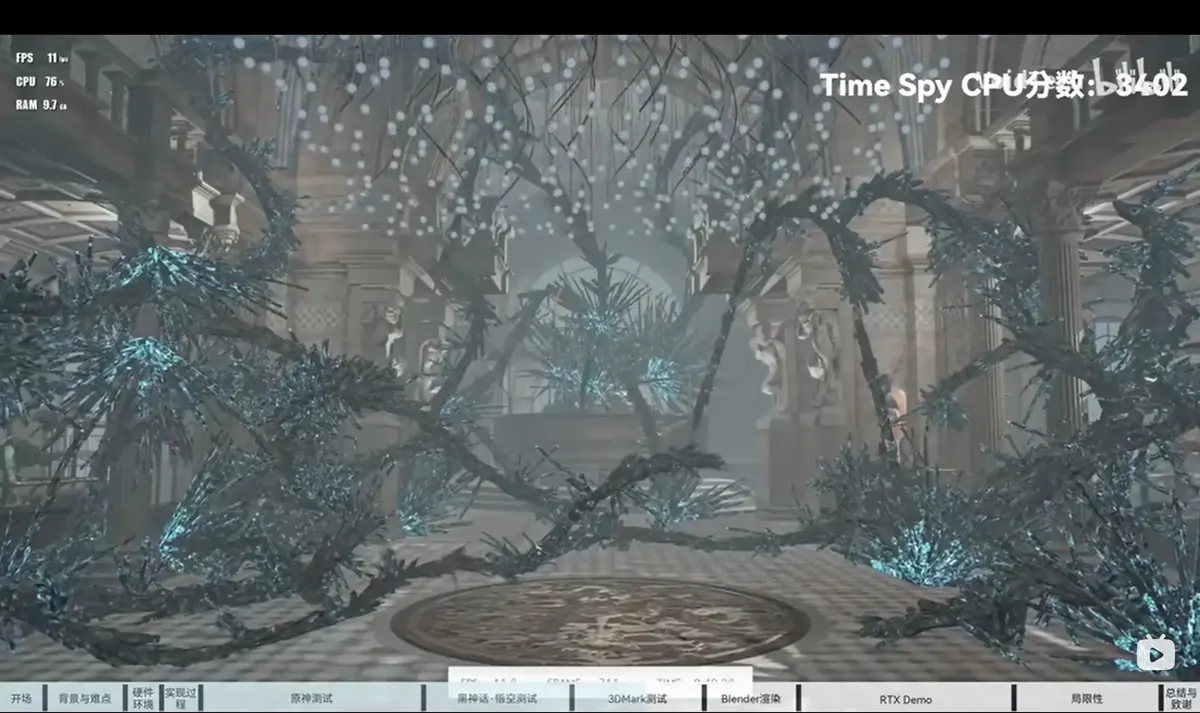 The experimental nature of this setup serves as a cautionary tale for those looking to bypass platform limitations. Until specialized software optimizations and hardware compatibility layers are significantly improved, users should manage their expectations regarding the viability of ARM platforms for high-end graphical tasks. Whether developers can engineer a more efficient bridge between these disparate architectures remains the central question for the future of ARM-based computing.
Do you believe that advancements in emulation technology will ever allow ARM devices to compete with traditional x86 gaming PCs, or will architectural differences always remain a barrier? Share your thoughts and technical predictions in the comments below.
Your comment has been submitted,
it will be published after approval.