
Windows 11 drops older Intel CPUs, here’s why gamers shouldn’t panic

Microsoft has quietly removed 8th, 9th, and 10th-gen Intel gaming CPUs from its hardware guidelines for Windows 11. While this may sound alarming, gamers don’t need to be too concerned. Despite the exclusion from future hardware recommendations, these older Intel CPUs will continue to work with Windows 11 for now, without immediate impact on their performance or compatibility.
Microsoft removes older Intel CPUs from Windows 11 guidelines
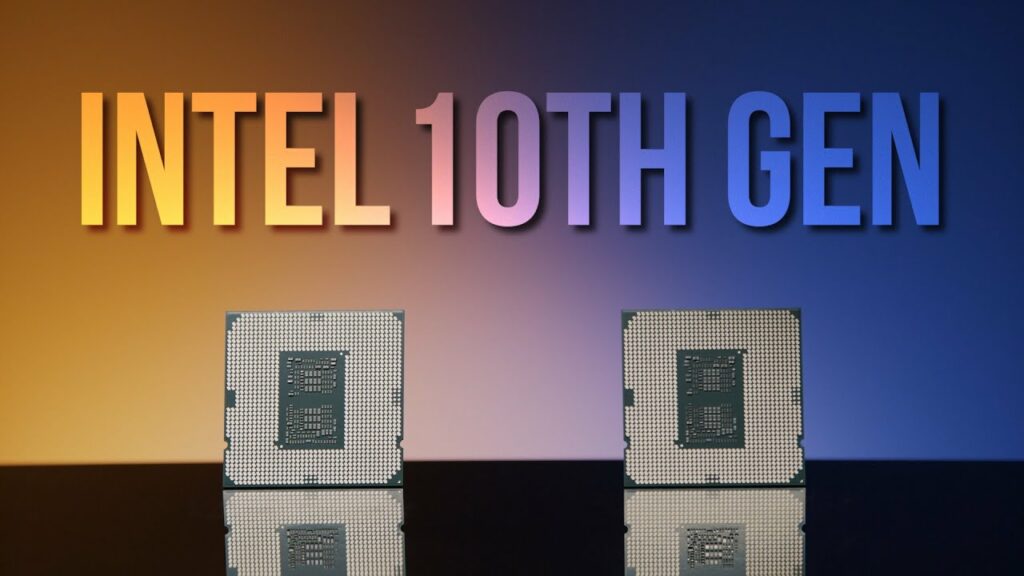
Microsoft recently updated its hardware guidelines for PC manufacturers, leaving out Intel’s 8th, 9th, and 10th-gen gaming processors from the supported list. These CPUs, which are now between five and eight years old, are nearing the end of their life cycle, prompting the company to focus on newer hardware for Windows 11 updates. While these changes impact future PC builds, it doesn’t necessarily affect gamers with older systems.
What is Windows 11 100% CPU usage error?
What this means for gamers with older Intel CPUs
The exclusion of these older CPUs from Microsoft’s hardware guidelines for the latest Windows 11 24H2 update does not mean that users will lose support. As Microsoft clarified, this decision applies to OEMs building new PCs, not to current users. For gamers with 8th, 9th, or 10th-gen Intel CPUs, the systems will continue to run Windows 11 without issue for now.
Why Microsoft dropped these CPUs from support list
- The removal aligns with Intel’s product support timeline, with 8th to 10th-gen Intel CPUs reaching their end of life by June 2025.
- While no public statement has been made, this move likely reflects the natural progression of the technology market, as newer CPUs dominate gaming rigs.
- The change only impacts new OEM builds and does not affect existing users with these processors.
What does this mean for future Windows 11 updates?
Despite dropping these Intel CPUs from the OEM list, Microsoft assures that current users will still receive full support and continue receiving updates. The CPUs meet the necessary basic requirements for Windows 11, such as TPM 2.0 support. Gamers are not required to upgrade their systems immediately, as their current hardware should remain functional for the foreseeable future.
No immediate need for an upgrade, but future considerations
As the 8th, 9th, and 10th-gen Intel gaming CPUs near the end of their support window, gamers should monitor their systems for signs of obsolescence. However, with full support continuing for now, there is no need for a rush to replace their systems just yet.
Your comment has been submitted,
it will be published after approval.