
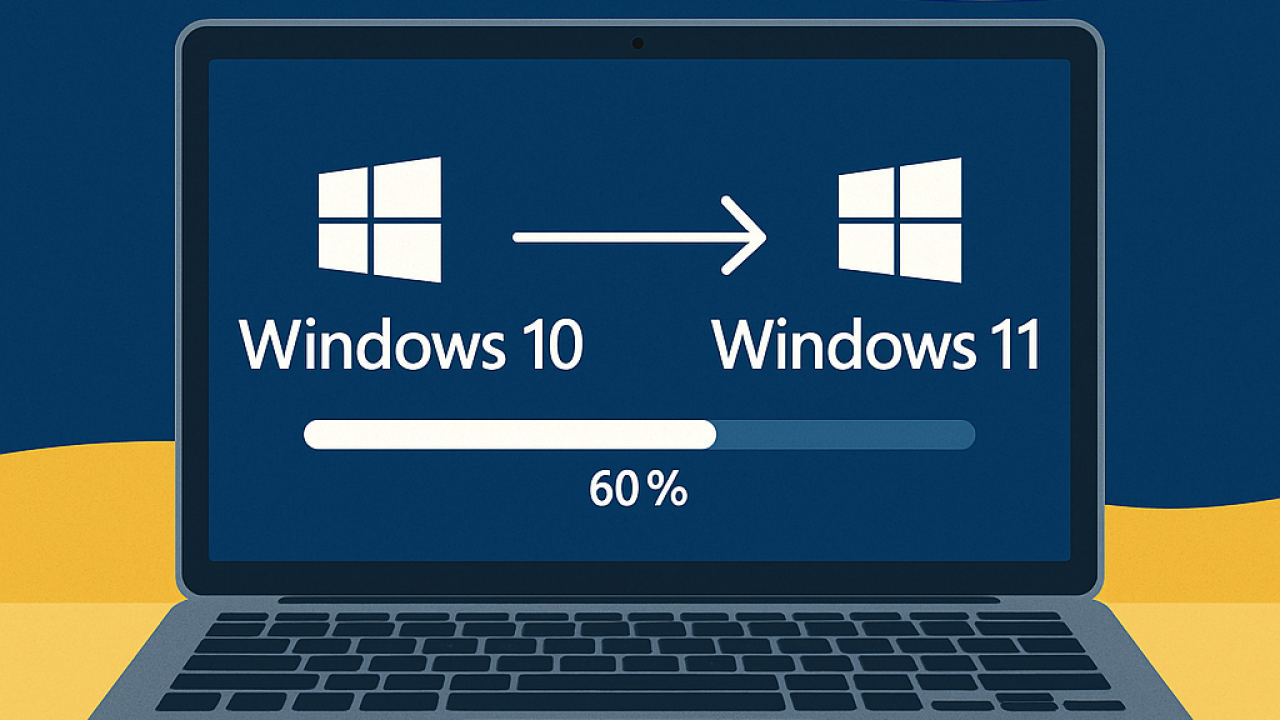
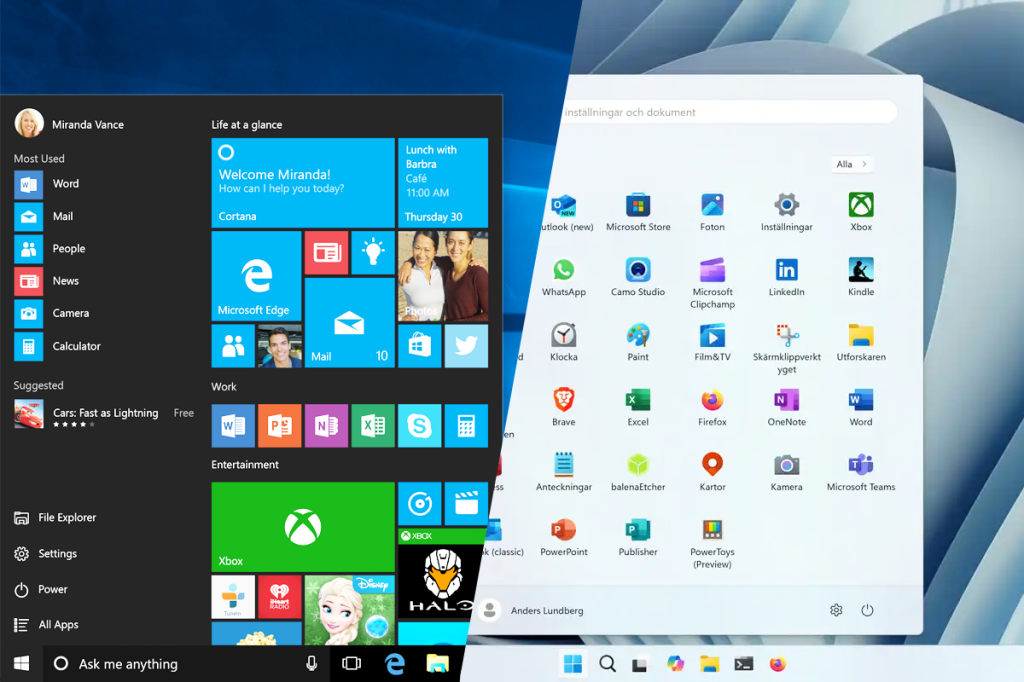
Despite its long release, Windows 11 is struggling to establish the overwhelming advantage expected over its “older” sibling, Windows 10. Usage statistics reveal that the older version remains surprisingly popular. According to November 2025 data published by Statcounter, 53.7% of active Windows desktops are running Windows 11, while Windows 10 still commands 42.7% of the market. This data proves that the transition is progressing much slower than hardware manufacturers anticipated.
Windows 11 struggles to take off: Users insist on Windows 10
Enterprises, in particular, are taking a more cautious approach to large-scale operating system changes. Instead of immediately upgrading their systems, many companies are delaying the process by relying on the Extended Security Updates (ESU) program. Analysts interpret this as a strategic move to protect critical systems that rely on older applications and to continue running specialized hardware that doesn’t yet have Windows 11 driver support. Furthermore, the cost of this transition for companies isn’t limited to licensing; Processes such as compatibility testing and employee training are also straining budgets.
Hardware manufacturers are also releasing reports confirming this slowdown. For example, Dell executives state that the pace of Windows 11 adoption has lagged by double digits compared to previous operating system cycles. Due to economic uncertainty, businesses are reluctant to launch major refresh programs based solely on operating system changes. The fact that Windows 11 doesn’t offer mandatory features that will instantly change corporate purchasing behavior is also seen as a significant factor in this delay.
On the consumer side, the situation appears to be a bit more complex. Even after purchasing a new Windows 11 device, many users continue to use their old Windows 10 computers as secondary devices for light work or backups. This causes older systems to continue generating internet traffic and appear high in usage statistics. Current data suggests that the growth in Windows 11 is driven by the addition of new devices to the market, rather than a complete device replacement.
The habits introduced by Windows 10 and the reliance on existing productivity tools are among the factors delaying users’ transition to the new version. While Windows 10 appears to be on a slow decline on paper, the limited operational advantages of Windows 11 are prolonging the process. So, what are your thoughts on this? Are you still using Windows 10 on your computer, or have you made the full transition to Windows 11?