
Xbox May Potentially Exit Steam Platform Amid Strategic Shifts

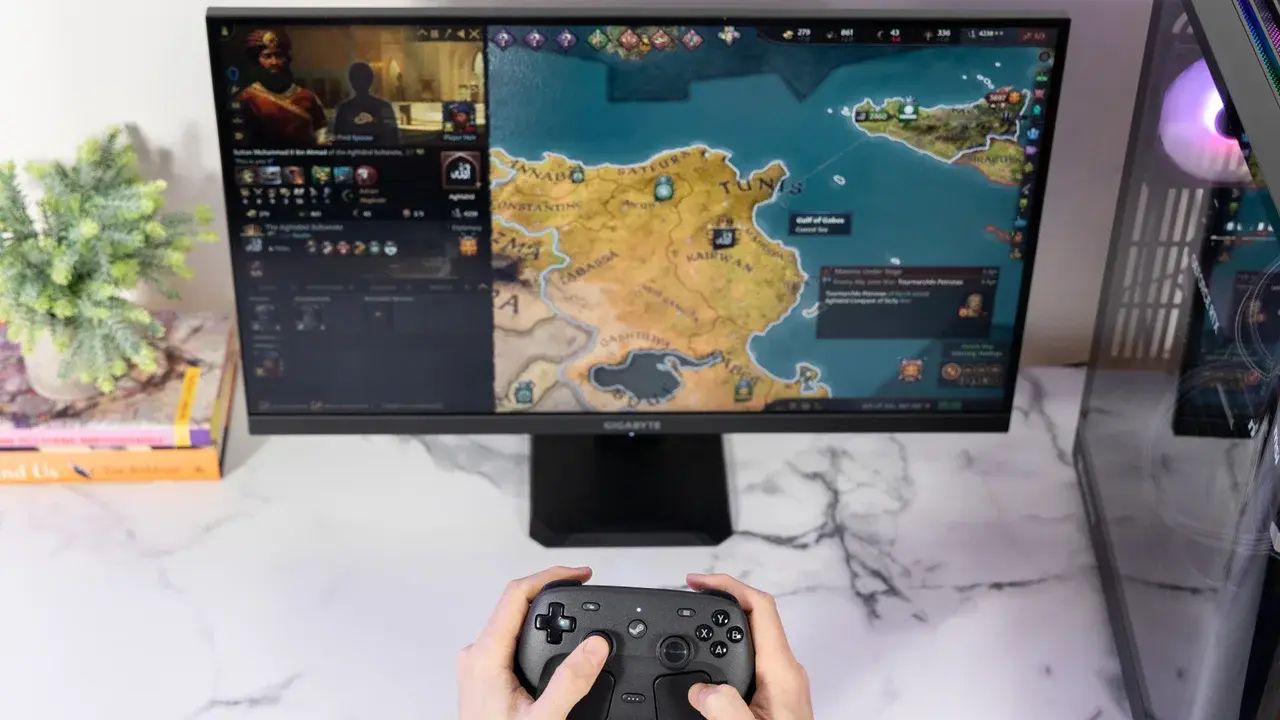
Following a period of internal restructuring and widespread industry layoffs, Microsoft is reportedly evaluating significant changes to its PC gaming strategy, which could include withdrawing Xbox titles from the Steam marketplace. According to insights shared by industry analyst Jez Corden on the Xbox Two Podcast, the company is actively reconsidering its long-term presence on third-party storefronts. While no definitive decision has been finalized, the potential departure from Steam represents a major shift in how Microsoft manages its software distribution, as it navigates the complex balance between maintaining broad accessibility for players and maximizing revenue growth in an increasingly competitive digital PC gaming ecosystem.
- Microsoft is currently assessing the viability of its PC storefront strategy to optimize long-term revenue.
- The potential move away from Steam stems from a need to offset rising hardware production costs for future gaming systems.
- Third-party storefront commissions remain a significant factor in the company’s ongoing financial planning.
The shift underscores a broader effort to prioritize proprietary platform control over third-party distribution channels.
Hardware Production Costs are Rising Significantly
The potential shift in distribution strategy is heavily influenced by the development of the next-generation hardware project, internally referred to as Xbox Project Helix. This ambitious hardware initiative aims to bridge the gap between console and PC gaming, yet it relies on the expensive Magnus APU unit. Projections indicate that the manufacturing costs for this new hardware could exceed those of the current market-leading consoles, placing immense pressure on the division’s financial margins. 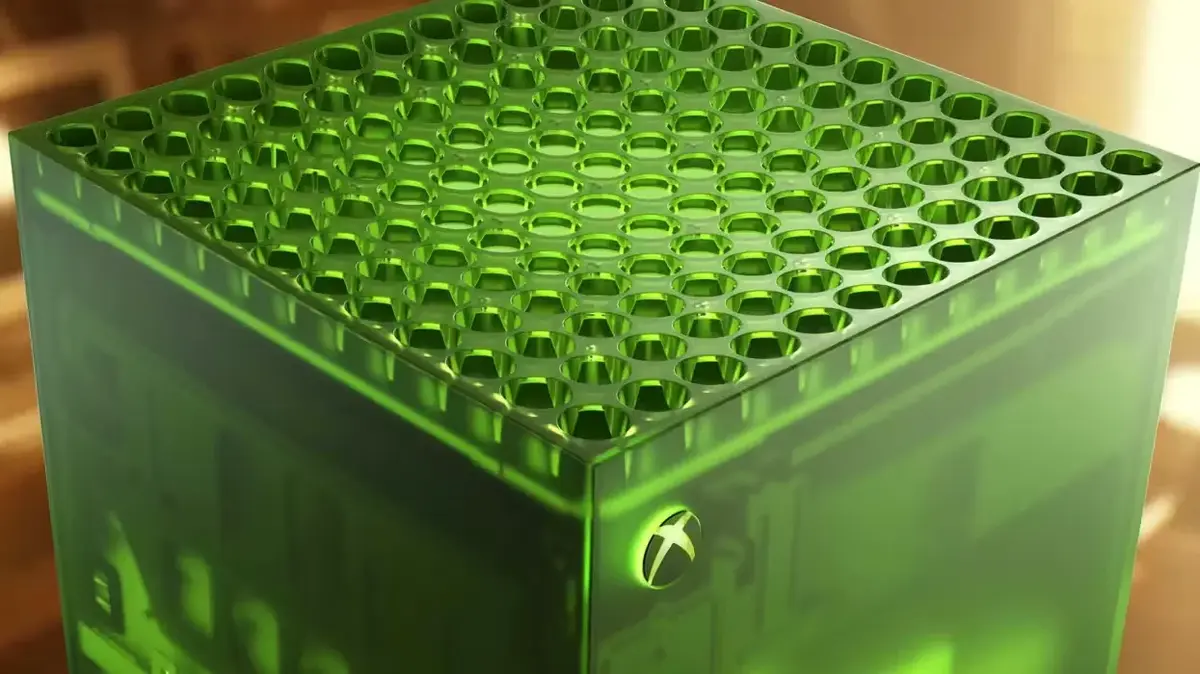 As the price of essential components, such as RAM and advanced NAND storage, continues to climb, the company must seek ways to subsidize these costs effectively.
Platform Revenues are Critical to Future Hardware
To keep consumer pricing for new hardware competitive, Xbox relies heavily on the revenue streams generated from its software ecosystem. Currently, selling games through third-party platforms like Steam, GOG, or the Epic Games Store requires the company to surrender a portion of its earnings—often reaching 30 percent—in commission fees. By keeping more of these proceeds within its own ecosystem, the company could theoretically offset the hardware subsidies required to launch its future systems at accessible price points.
Strategic financial decisions now will define the company’s hardware pricing power for the next console generation.
Market Stability Remains a Major Consideration
While the prospect of leaving Steam is a topic of internal discussion, industry experts suggest that such a move carries substantial risks. Steam commands a massive, loyal user base and generates significant revenue that would be difficult to replicate elsewhere. Abandoning this platform could alienate a large segment of the PC gaming community that prefers the convenience of centralized game libraries. Consequently, the company is treading carefully, weighing the immediate financial benefits of total control against the long-term potential for player dissatisfaction and reduced market reach.
We are eager to hear your perspective on this potential strategic pivot; do you believe moving away from Steam would ultimately hurt or help the gaming community, and would you follow Xbox to a proprietary launcher? Share your thoughts in the comments below.
Your comment has been submitted,
it will be published after approval.