
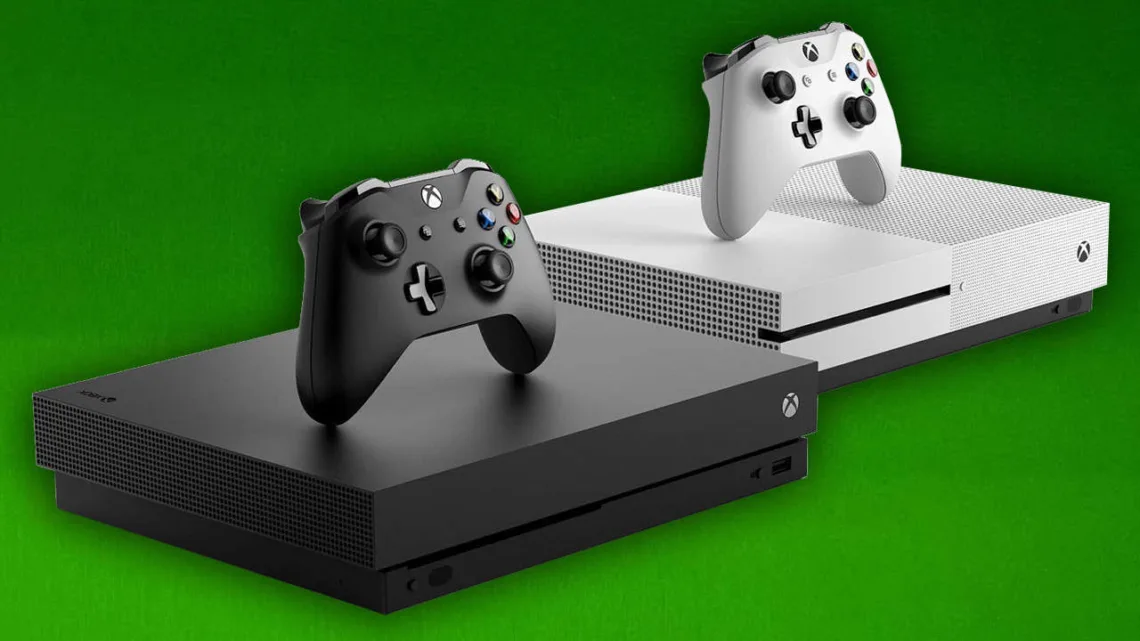
There are certain legends in the gaming world—systems thought to be unbreakable, defying cybersecurity experts and hackers for years. Microsoft’s Xbox One, launched in 2013, was exactly such a legend. Since its debut, it proudly held the title of “unhackable,” serving as a digital fortress. However, its 12-year streak of invincibility has officially come to an end.
A historic presentation at the RE//verse 2026 conference proved to the world that even the most formidable walls in console security architecture can eventually crumble.
A Digital Fortress: The Security Architecture of Xbox One
The secret behind the Xbox One’s longevity lay in Microsoft’s unprecedented layered security strategy. The system’s usermode, kernel, hypervisor, and system firmware were isolated from one another, digitally signed, and linked to a complex morphing key tree that constantly changed form.
 Shiftdelete.net
Even if a researcher found a vulnerability in one layer, moving to another was rendered nearly impossible by hardware barriers. Standard software modifications or basic end-user hack attempts simply stood no chance against this flawless security mesh. However, every system has an “Achilles’ heel.” For the Xbox One, it was a tiny piece of bootROM code etched into the heart of the AMD-designed SoC, which initializes the Platform Security Processor (PSP).
RE//verse 2026 and the Historic Breakthrough
At the RE//verse 2026 cybersecurity conference, Markus Gaasedelen, Lead Security Researcher at RET2 Systems, shared how he shattered the Xbox One’s trusted security chain after years of meticulous work. Gaasedelen’s method was not a simple software tool downloaded from the internet; it was a highly sophisticated physical intervention at the hardware level.
The “Double Voltage Glitch” Technique
To infiltrate the bootROM, Gaasedelen utilized a unique hardware exploit known as a “double voltage glitch.” Normally, the Xbox One’s security processor is programmed to detect the slightest anomalies in power, memory, or control flow and shut down immediately if an attack is sensed.
However, Gaasedelen managed to confuse this defense mechanism through millisecond-level voltage manipulations, disrupting the execution of the bootROM code. This extraordinary intervention bypassed the hardware verification processes, granting supervisor-level access at the lowest layer of the firmware—essentially breaking the entire security chain.
The End of an Invincibility Legend
This massive development does not mean the Xbox One can be easily hacked by anyone at home. The hardware intervention requires expert knowledge of security architecture, specialized equipment with microscopic precision, and direct physical access to the console’s motherboard. Nevertheless, the symbolic and technical significance is immense.
The 12-year resistance of the Xbox One proves that “unhackable” in cybersecurity literature often just means “not yet tried hard enough.” What are your thoughts on this milestone? Do you think this will lead to a new era of homebrew for legacy consoles? Share your views in the comments!