

Xiaomi seems ready to flip the script on its camera strategy. The upcoming Xiaomi 17 Ultra won’t build on its predecessor’s quad-camera formula instead, it’s moving to a refined triple-lens setup. Leaks suggest the phone will focus less on camera count and more on standout hardware and smart imaging.
Xiaomi 17 Ultra camera specs cut one lens, add more power
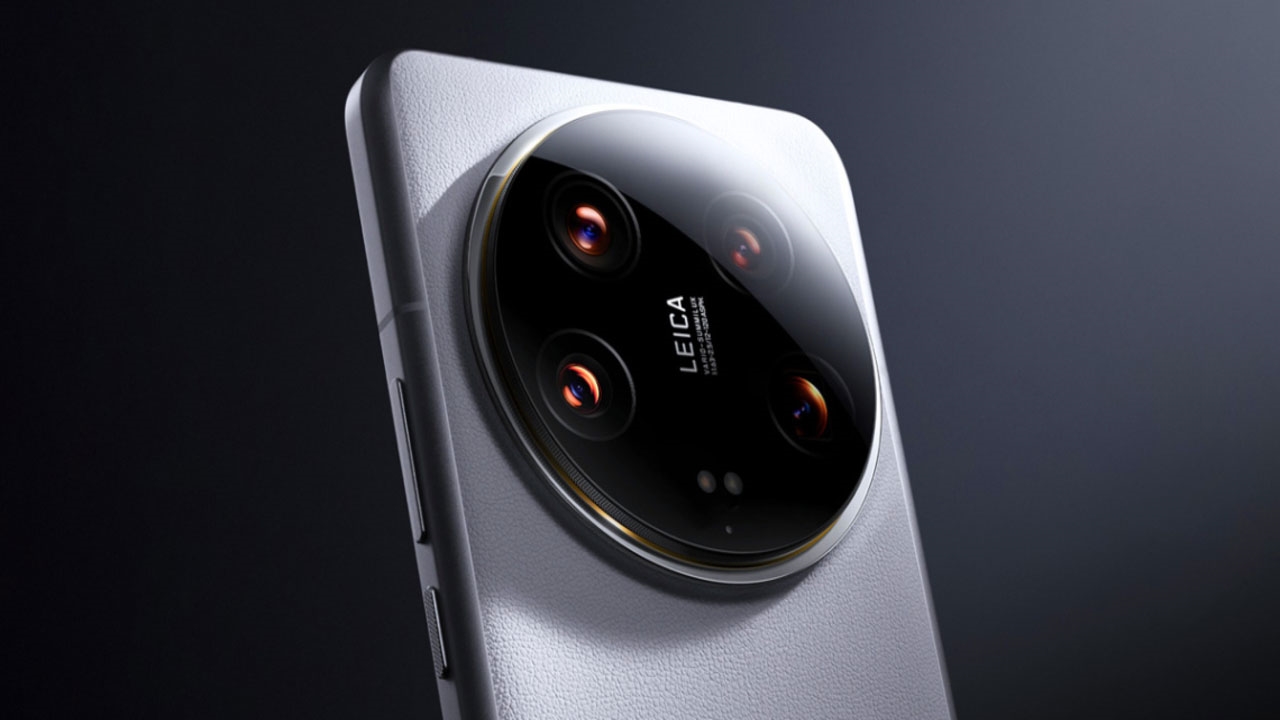
According to the latest leaks, Xiaomi is removing the dedicated 3x telephoto lens that was part of the Xiaomi 15 Ultra. In its place, the 17 Ultra will use a higher-resolution sensor that may deliver greater flexibility without multiple zoom cameras.
Here’s the leaked camera configuration:
- Main sensor: 50MP OVX10500U
- Telephoto: 200MP Samsung S5KHPE
- Ultrawide: 50MP OV50M or S5KJN5
- Front camera: 50MP OV50M
This shift suggests Xiaomi might be leaning into Samsung’s continuous zoom tech. Rumors from earlier this year pointed to Samsung mass-producing next-gen sensors, and Xiaomi looks like a likely early adopter. The inclusion of a 200MP telephoto lens supports that theory, especially if it’s designed to handle multiple zoom ranges with a single sensor.

Anker adds two new colors to its 70W 3-port Nano Charger lineup, now available in the US and EU with some discounts applied.
Xiaomi 17 Ultra won’t skimp on performance
Beyond the camera, the rest of the Xiaomi 17 Ultra is shaping up as expected. It’s likely to ship with the Snapdragon 8 Elite Gen 5, Qualcomm’s next top-tier chip. Xiaomi will also pair it with HyperOS 3 and a suite of AI-driven photography tools designed to make full use of the upgraded optics.
Other possible upgrades include satellite connectivity for global models and a tighter integration between hardware and Xiaomi’s AI stack hinting at smarter scene detection, better low-light handling, and enhanced real-time editing.
Quality over quantity in Xiaomi’s next photography flagship
In a sea of camera overload, Xiaomi’s decision to trim things down is telling. Fewer lenses, better sensors, and tighter software synergy could give the 17 Ultra the edge where it matters most: image quality. The leak doesn’t just hint at new hardware, it signals a recalibration of what a flagship camera system should be.