
Xiaomi Prepares to Launch XRING O3 Processor with 3nm Tech


Tech giant Xiaomi is set to unveil its latest proprietary mobile processor, the Xiaomi XRING O3, by the end of this year, marking a significant milestone in the company’s quest for hardware independence. Developed using TSMC’s cutting-edge 3nm N3P manufacturing process, the new chipset serves as the successor to the XRING O1. Initially targeting the Chinese domestic market, the XRING O3 is engineered to compete directly with the performance capabilities of the Snapdragon 8 Elite Gen 5. This strategic move aims to reduce the company’s reliance on external semiconductor suppliers while simultaneously strengthening its competitive position in the global mobile technology landscape.
- The Xiaomi XRING O3 utilizes TSMC’s advanced 3nm N3P node for enhanced efficiency.
- The new chipset matches the performance levels of the Qualcomm Snapdragon 8 Elite Gen 5 series.
- Xiaomi intends to decrease its dependency on external global semiconductor supply chains.
- The processor will be integrated into a broader range of devices compared to its predecessor.
TSMC’s 3nm Process Enhances Overall System Performance
Xiaomi has entrusted the production of its next-generation architecture to TSMC, the leading semiconductor foundry in the world. The implementation of the N3P process node allows for a superior balance between power consumption and computational capacity. By leveraging this sophisticated manufacturing technology, the XRING O3 is expected to minimize thermal throttling issues while providing a substantial boost to overall battery longevity for end-users.
Xiaomi’s firm commitment to internal processor development signals a major shift in the power dynamics of the global mobile market.
Industry analysts suggest that while the XRING O3 may not necessarily be the fastest chip on the market, it offers a level of performance comparable to the Snapdragon 8 Elite Gen 5. This development allows Xiaomi to decrease its reliance on third-party vendors such as Qualcomm and MediaTek, particularly for its mid-to-high-end product segments. The focus remains on stability and fluid performance, which are essential for maintaining a high-quality user experience in daily operations.
Strategic Independence Gains Momentum Through New Hardware
Xiaomi has long pursued a strategy focused on achieving hardware self-sufficiency. Following the initial efforts with the XRING O1, the release of the XRING O3 represents a more mature phase of this initiative. Producing its own silicon provides the company with the flexibility to optimize the interaction between software and hardware. 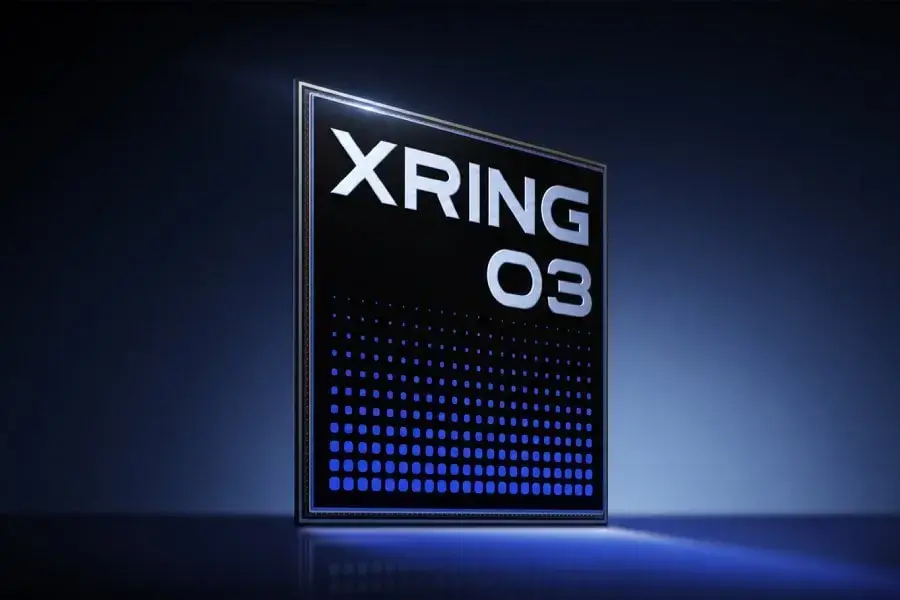
The XRING O3 serves as a clear symbol of Xiaomi’s growing engineering capabilities in the semiconductor space.
Brands that design their own processors generally benefit from greater control over operating system updates and security patches. By optimizing its proprietary HyperOS on custom hardware, Xiaomi seeks to differentiate itself from competitors that rely on standardized solutions. This transition marks the evolution of the brand from a traditional device assembler to an authentic technology manufacturer that controls its own ecosystem.
Diverse Product Ranges Incorporate the New Chipset
Reports indicate that the usage of the XRING O3 will not be restricted to flagship smartphones alone. Unlike the limited deployment of the XRING O1, the new processor is designed for a much wider array of products. Consumers can expect to see this chipset integrated into various devices, including tablets and smart home appliances, creating a more cohesive ecosystem.
This new wave of competition in the chip market will ultimately facilitate the arrival of more affordable, high-performance electronics for consumers.
What are your thoughts on Xiaomi’s push toward proprietary silicon development? Do you believe the XRING O3 can successfully challenge established giants like Qualcomm and Apple in the long run? Share your insights and expectations in the comments section below.
Your comment has been submitted,
it will be published after approval.