
Xiaomi Unveils HyperOS 4 Features Based on Android 17

Xiaomi has officially unveiled the preliminary details for HyperOS 4, the highly anticipated iteration of its proprietary software ecosystem. Built upon the foundation of the upcoming Android 17 operating system, this major update represents a pivotal transformation in the company’s long-term software strategy. By focusing on deep-level infrastructure enhancements and comprehensive aesthetic refinements, Xiaomi intends to elevate both system stability and visual performance for its global user base. The development marks a significant shift toward modern programming standards and personalized user experiences, positioning the new interface as a core component of the company’s future mobile hardware strategy.
- HyperOS 4 integrates the Android 17 operating system as its primary architecture.
- The user interface adopts the Liquid Glass design language for enhanced visual fluidity.
- System applications undergo a transition to the Rust programming language to improve memory safety.
- Xiaomi introduces a system-wide Leica theme to provide a cohesive aesthetic experience.
The Interface Design Adopts Liquid Glass Aesthetics
With the introduction of HyperOS 4, Xiaomi is pivoting toward a sophisticated design philosophy known as Liquid Glass. This new visual language emphasizes fluid animations, layered depth effects, and refined iconography to create a more immersive user environment. The transition away from traditional flat designs toward this more organic and responsive aesthetic allows users to interact with their devices in a more intuitive and seamless manner.
Liquid Glass design language sets a new standard for mobile interface fluidity and depth.
System Performance Gains Are Driven by Rust Integration
Under the hood, Xiaomi is implementing a significant technological shift by integrating the Rust programming language into the core system architecture. Rust is renowned for its superior memory safety features, which effectively minimize potential security vulnerabilities while significantly improving overall system stability. 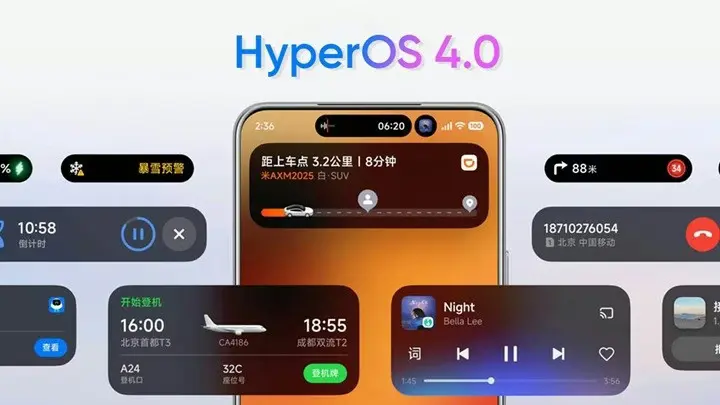
This architectural change is expected to yield substantial efficiency gains in how the operating system manages hardware resources. By optimizing background processes and reducing overhead, the update aims to provide users with improved battery longevity and more responsive processing power during intensive tasks.
The Leica Theme Personalizes the Visual Experience
Xiaomi is further strengthening its partnership with the iconic photography brand Leica by bringing a dedicated theme directly into the HyperOS 4 environment. This integration extends far beyond the camera application, encompassing custom color palettes and typography that permeate the entire system.
The exclusive Leica theme delivers a premium, professional-grade aesthetic to the entire user interface.
Future Updates Shape the Development Roadmap
While the official launch timeline for HyperOS 4 remains unconfirmed, industry experts note that development is progressing at an accelerated pace. The platform is expected to place a heavy emphasis on advanced artificial intelligence capabilities, leveraging the underlying Android 17 framework to deliver smarter, context-aware features. Xiaomi continues to prioritize user feedback to ensure that the final release offers the necessary flexibility and performance expected by its diverse user community.
What specific improvements are you hoping to see in the final release of HyperOS 4, and do you believe these changes will enhance your daily workflow? Share your thoughts and expectations in the comments section below.
Your comment has been submitted,
it will be published after approval.