
Xiaomi Unveils Powerful Mi Pad 9 Pro Max with Xring O3

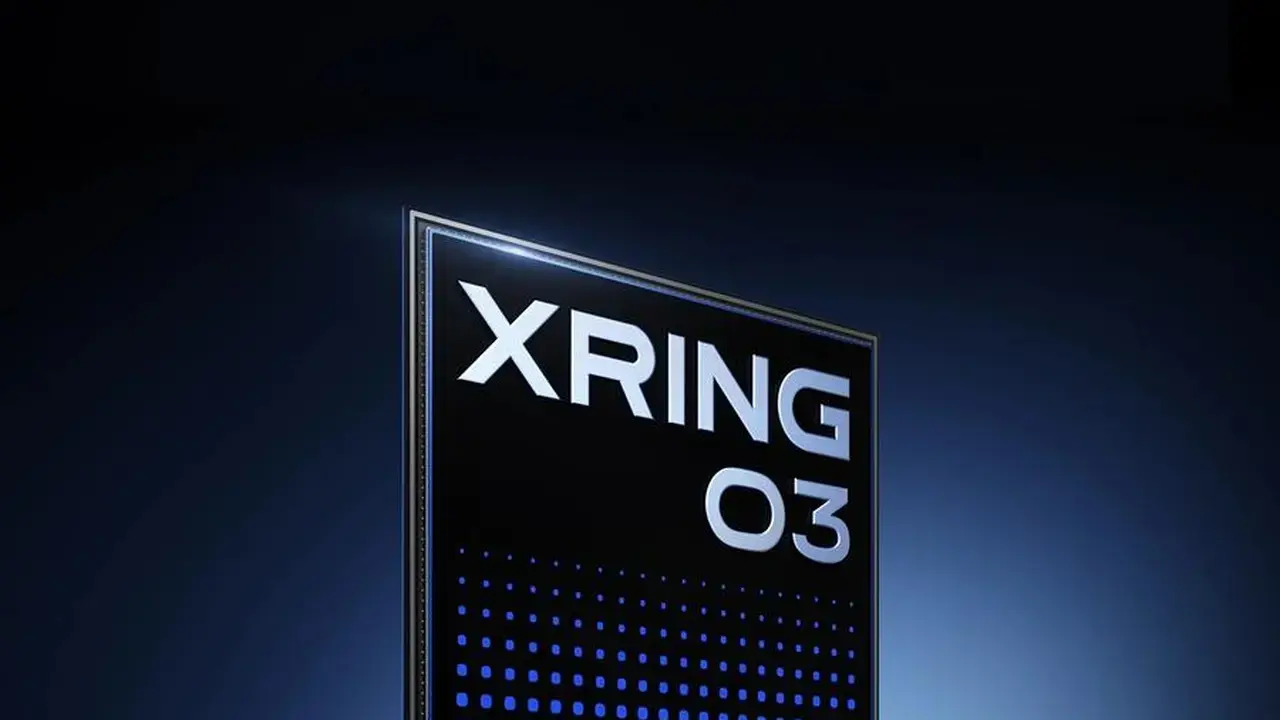
Xiaomi is set to disrupt the high-end tablet market with the official announcement of the Mi Pad 9 Pro Max, scheduled for release in September 2026. This professional-grade device marks a significant milestone for the company, as it serves as the debut platform for the proprietary Xring O3 processor. By integrating this custom silicon, Xiaomi aims to provide unprecedented performance levels for demanding users. Initial benchmarking reveals that the new hardware shatters previous records, exceeding 5 million points on AnTuTu, which positions the Mi Pad 9 Pro Max as the new industry benchmark for mobile computing power.
- The Mi Pad 9 Pro Max serves as the first device to feature the proprietary Xring O3 processor architecture.
- The hardware achieves a record-breaking AnTuTu score of over 5 million points through its 10-core design.
- System memory performance increases by 48 percent due to the integration of LPDDR6 technology.
- The G2-Ultra NX graphics unit enhances ray tracing capabilities to improve overall visual rendering by 85 percent.
The Xring O3 Processor Redefines Performance Standards
At the heart of the device lies the Xring O3 chipset, which utilizes a sophisticated 10-core CPU configuration. This architecture consists of six ultra-high-power cores and four performance-oriented cores, all capable of reaching clock speeds of 4.35 GHz. Such technical specifications ensure that the tablet manages resource-heavy professional workflows with ease.
The Xring O3 processor secures its place in history as the first hardware to surpass the 5 million point threshold in AnTuTu testing.
Graphic Capabilities and Memory Technologies are Upgraded
Xiaomi has implemented substantial improvements to the visual processing unit of the tablet. The 16-core G2-Ultra NX GPU delivers 85 percent higher performance compared to predecessors while simultaneously reducing energy consumption by 64 percent. 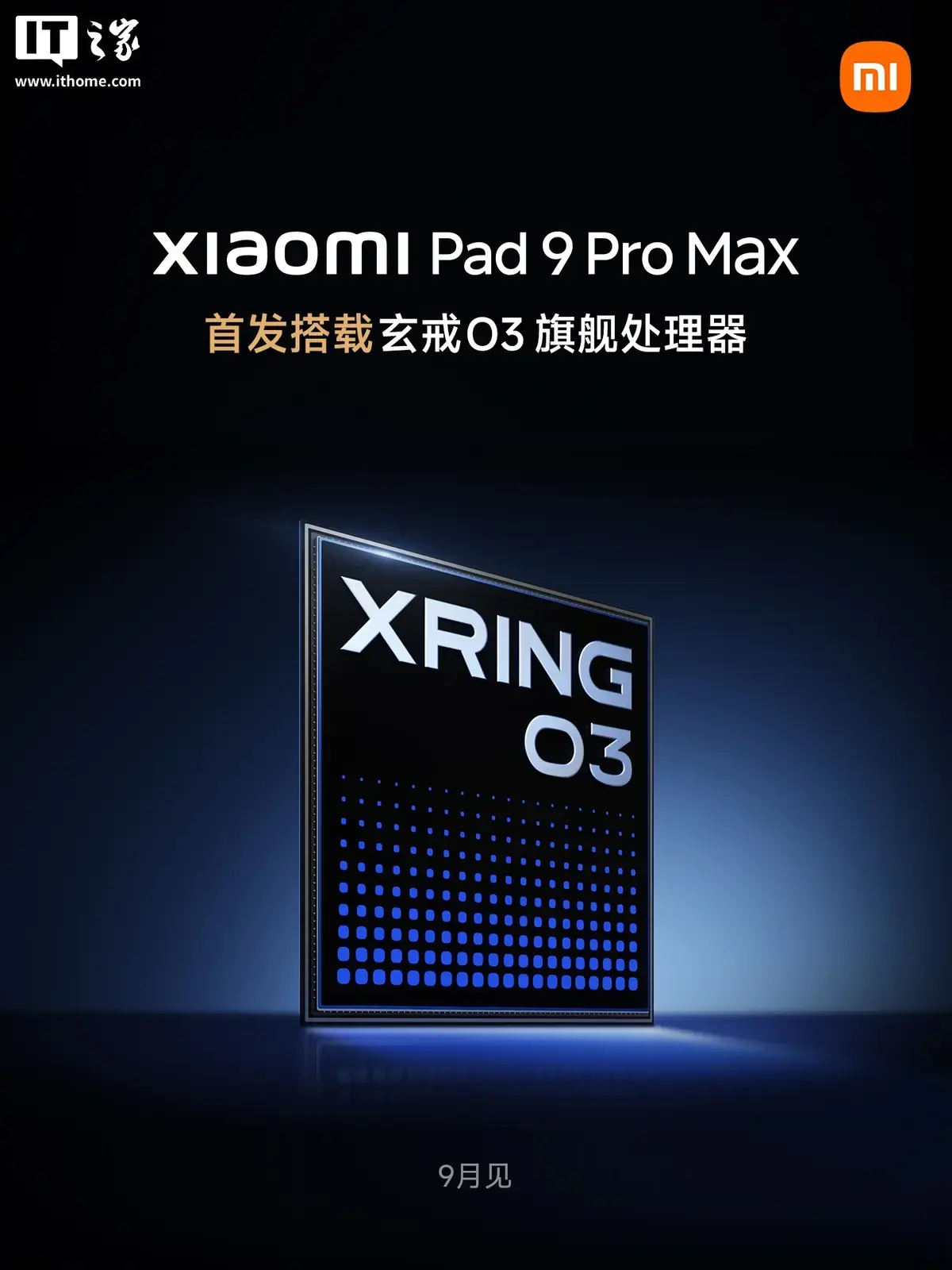 Advanced third-generation ray tracing support ensures that professional designers and enthusiasts enjoy superior graphical fidelity. Furthermore, the inclusion of LPDDR6 memory support allows for a bandwidth of 113.8 GB/s, significantly enhancing data processing efficiency across the entire operating system.
Artificial Intelligence Capacity is Being Expanded
Beyond raw computational power, Xiaomi has prioritized advancements in artificial intelligence. The redesigned NPU unit is capable of executing 200 TOPS in tensor calculations, providing a noticeable speed increase for AI-driven tasks. The company indicates that this hardware was specifically optimized for productivity-focused professionals who rely on machine learning applications. By integrating these high-performance components, the manufacturer aims to bridge the gap between portable tablet technology and desktop-class workstation performance.
How do you evaluate Xiaomi’s shift toward custom-built silicon, and do you believe this new hardware architecture will change your expectations for professional tablets? We invite you to share your technical perspectives in the comments section below.
Your comment has been submitted,
it will be published after approval.