
YouTube Music Introduces Labels for AI-Generated Songs

YouTube Music has officially announced a new initiative to increase transparency by implementing mandatory labels for AI-generated songs across its platform. Starting today, listeners will notice distinct markers on tracks where artificial intelligence played a significant role in the composition or vocal production process. This global rollout aims to clarify the origin of music content, allowing users to distinguish between human-made tracks and those produced through sophisticated machine learning models. By providing this information, YouTube Music intends to foster greater trust and clarity within the digital music industry as synthetic media becomes increasingly prevalent.
- YouTube Music launched a new labeling system to identify tracks created primarily with artificial intelligence.
- The platform requires labels only for songs where AI significantly impacts core creative elements like vocals or composition.
- This transparency feature will expand from the dedicated music app to the broader YouTube ecosystem.
- Users can access detailed information about the production process by interacting with the labels on the playback screen.
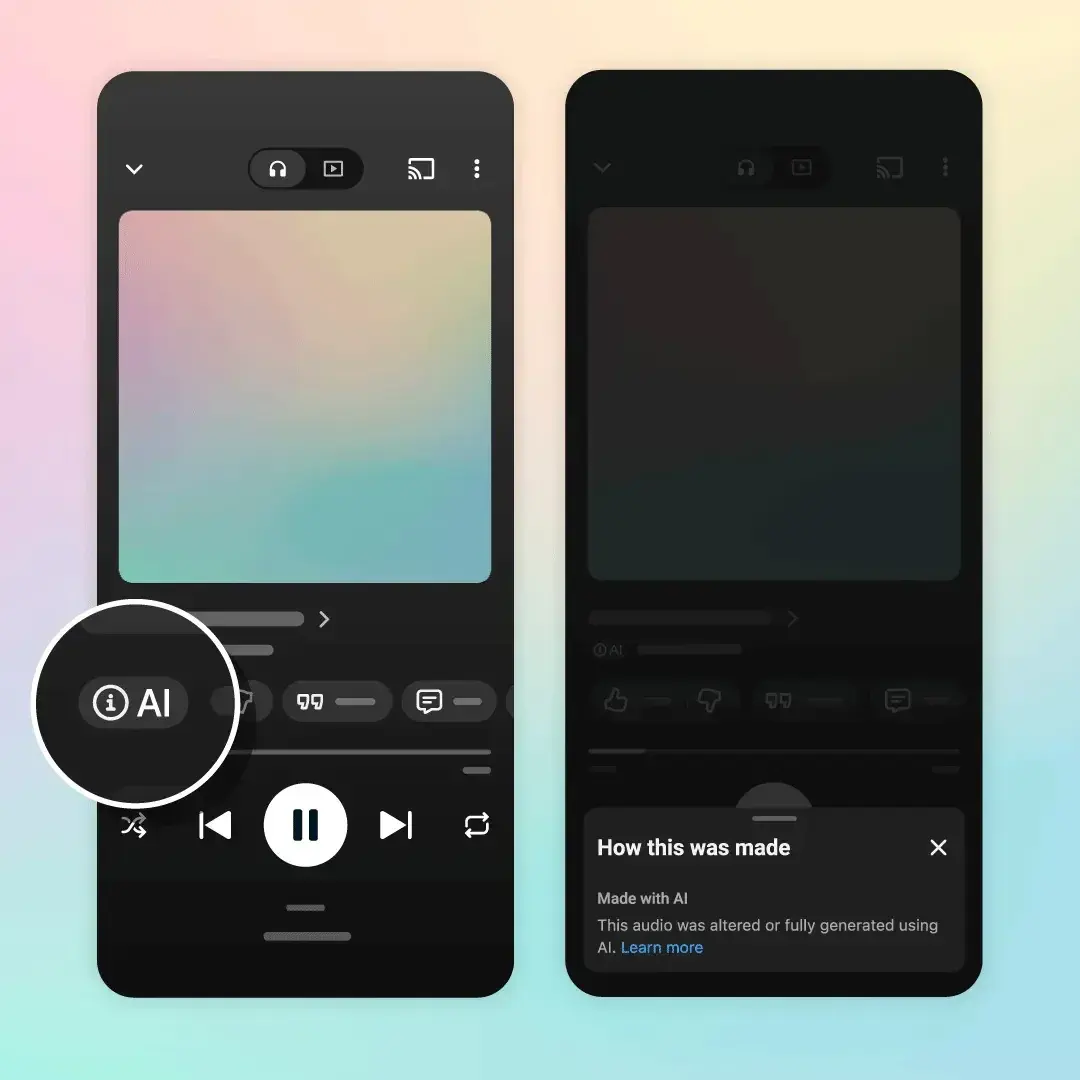
Labels Provide Clarity for AI-Generated Songs
The decision to label content stems from the rapid growth of generative AI tools that can mimic human voices and replicate complex musical arrangements. According to the company, the labeling system is designed to be precise rather than all-encompassing. Not every track featuring minor or incidental AI assistance will be flagged; instead, the system focuses on content where the technology is the primary driver behind the song’s core identity. This nuance ensures that creative experimentation remains supported while informing the audience about the nature of the production.
When a track is identified as AI-generated, a visible tag will appear on the playback screen. Engaging with this tag triggers an informational menu that explains the specific role AI played in the track’s creation. This approach prevents potential confusion and helps users understand how technology is reshaping modern songwriting practices. YouTube is collaborating closely with industry partners to ensure these labels are accurate and reflective of the current music landscape.
Labels Are Expanding Across All Platforms
While the initiative is currently being integrated into YouTube Music, the company confirmed that the labeling framework will soon extend to the main YouTube application as well. This expansion ensures that listeners across all interfaces receive consistent information regarding the media they consume. By standardizing this practice, the platform aims to establish a clear benchmark for transparency in an era where synthetic content is becoming a standard part of the listener experience.
Beyond labeling, the platform is also exploring new interface designs to enhance the overall aesthetic of the listening experience. For instance, a new album art layout is being tested with a small segment of users, which extends the player background to create a more immersive visual environment. Although the labeling feature is the priority, these ongoing design experiments reflect the company’s commitment to evolving the platform based on user feedback and technological advancements.
This shift toward greater transparency marks a significant milestone in how digital platforms handle the intersection of art and technology. As AI tools continue to redefine the boundaries of creativity, platforms must balance innovation with the need for clear communication. The current measures represent a proactive effort to maintain the integrity of musical content while embracing the creative potential of new software.
We are eager to hear your thoughts on this transparency initiative. Do you believe these labels help you better understand the music you listen to, or do you think the impact of AI on the industry is being overstated? Please share your perspective in the comments section below.
Your comment has been submitted,
it will be published after approval.