

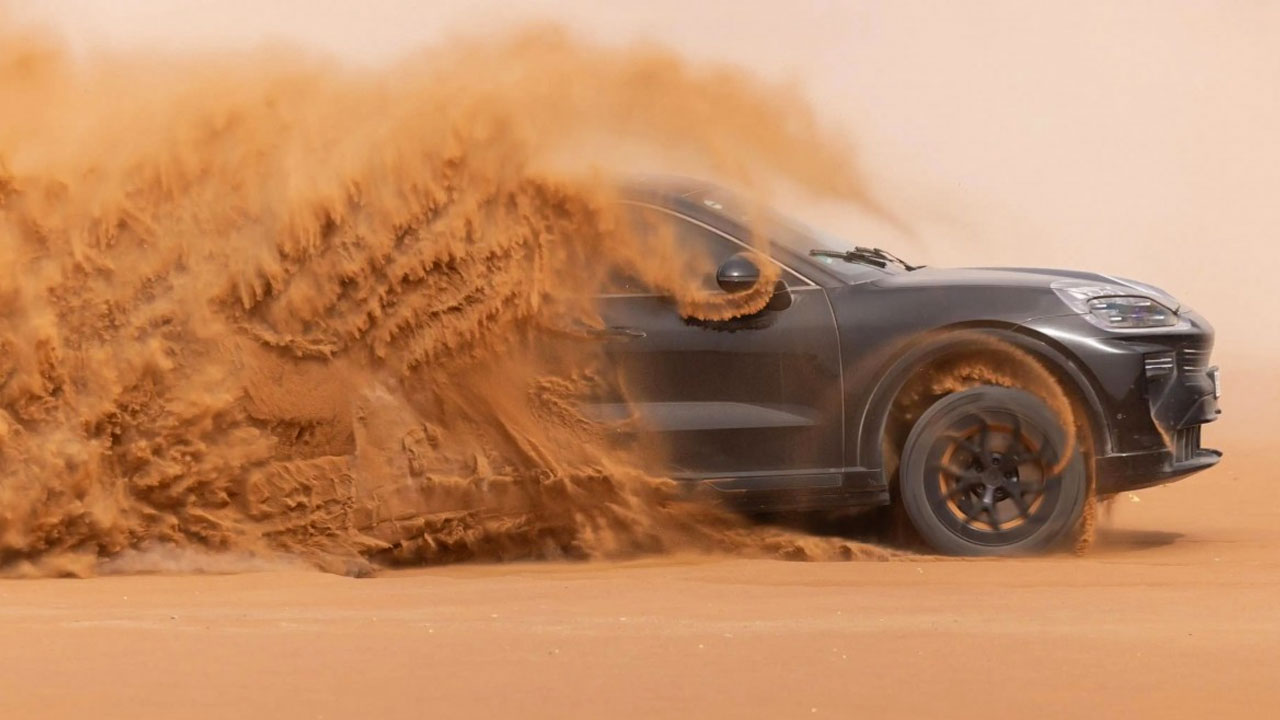
The shift to electric power, which has transformed how we view high-performance vehicles, reaches its zenith with the 2026 Porsche Cayenne Electric. While conventional engines dominate off-road adventures, Porsche is confident its next-generation luxury SUV not only matches but surpasses the robustness of the gasoline model.
Performance Exceeding Expectations in the Desert
Michael Schaetzle, Vice President of the Porsche Cayenne model line, made a bold statement, claiming the new EV is “significantly better” off-road than its combustion-engined counterpart. This claim demonstrates that the future of adventure vehicles is undeniably electric.
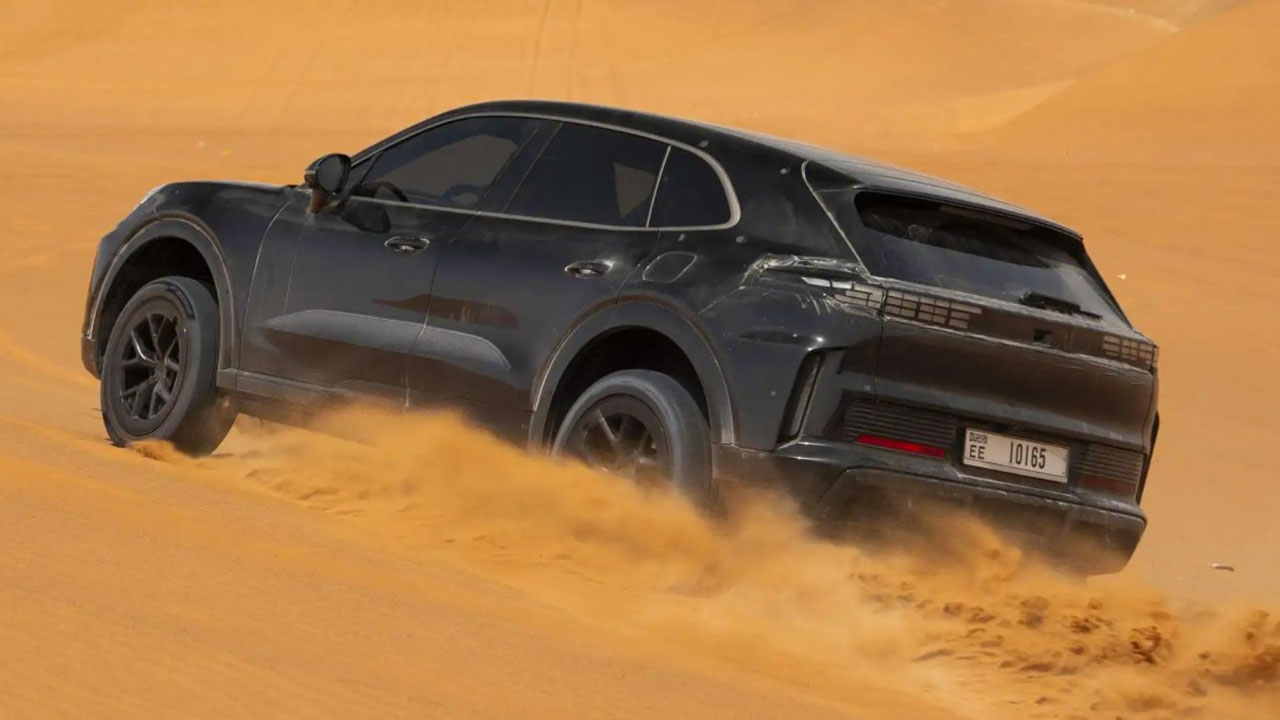
Porsche put the Cayenne Electric through intensive testing, ranging from advanced computer simulations at its Weissach research center in Germany to grueling desert trials in the Middle East. Schaetzle confirmed that the vehicle’s performance in the Dubai dunes exceeded the development team’s expectations. The EV platform’s instantaneous, fine-tuned power delivery was key to this transformation.
Schaetzle emphasized the ease with which drivers can climb steep dunes, explaining that the ability to “perfectly modulate” the power output significantly improves the driving experience compared to a conventional combustion-engined model. A small, ironic sidenote in this high-tech desert ballet: To hear wheel spin, a vital cue for off-road maneuvers, drivers must manually activate a sound mode that quieter EVs don’t naturally offer.
The top-of-the-line Cayenne Turbo Electric is the most powerful production Porsche SUV ever built. This high-performance model produces 850 kW (1,156 PS) of power and a massive 1,500 Nm of torque when Launch Control is engaged.
This excess power naturally comes at a weight disadvantage. With a curb weight of 2,645 kg, the Turbo Electric also holds the title of the heaviest Porsche ever produced.
However, engineers have turned this weight into an advantage. Schaetzle noted that the battery is mounted low, below the vehicle’s center of gravity. This layout significantly improves roadholding, leading some to conclude that the car “feels lighter” than the gasoline-powered model. The new Active Ride System, new axles, and tires also contribute to agility.
Range and charging speed define the practicality of any modern EV, and the new electric Cayenne delivers impressive figures:
- Range: Driving range of up to 642 km according to the WLTP test cycle.
- Architecture: Advanced 800V electrical architecture.
- Charging Speed: The maximum DC charging rate reaches up to 400 kW, allowing drivers to charge the battery from 10% to 80% in “less than 16 minutes.”
- Adventure seekers who plan to truly push the SUV’s capabilities can opt for the Offroad Package. When the air suspension is set to “off-road,” this option increases the vehicle’s approach angle to 25 degrees and ground clearance to 245 mm.
Customers in Europe and the US can order the new Cayenne starting at around €93,000 for the base model, depending on market. The Turbo version starts at €139,100, which isn’t excessive for Stuttgart’s fastest SUV. Right-hand drive markets will have to wait a few more months for this model to arrive, but judging by the numbers on paper, it’s worth the wait.