
Microsoft AI CEO admits to Gemini!


While fierce competition among AI models continues at full speed, Microsoft AI CEO Mustafa Suleiman took an unusual step in the industry by openly acknowledging the success of a rival technology. Speaking in an interview with Bloomberg, Suleiman admitted that Google’s Gemini 3 model can accomplish things that Copilot cannot. In a world where technology leaders generally see their own products as unrivaled in every field, the fact that another model is ahead in certain areas is acknowledged by the most authoritative source is a remarkable development.
Mustafa Suleiman explained: What is the critical difference between Copilot and Gemini 3?
While acknowledging the success of Gemini 3, Google’s most powerful multi-mode model to date, Suleiman immediately highlighted Copilot’s advantages in terms of daily use and practicality. Specifically, the CEO noted that Copilot’s vision capabilities are astonishing, emphasizing that the assistant can perceive everything the user sees and speak in real-time. The ability for users to share their mobile or desktop screens and receive instant feedback is presented as the clearest evidence of Microsoft’s strategy focused on utility rather than ostentation.
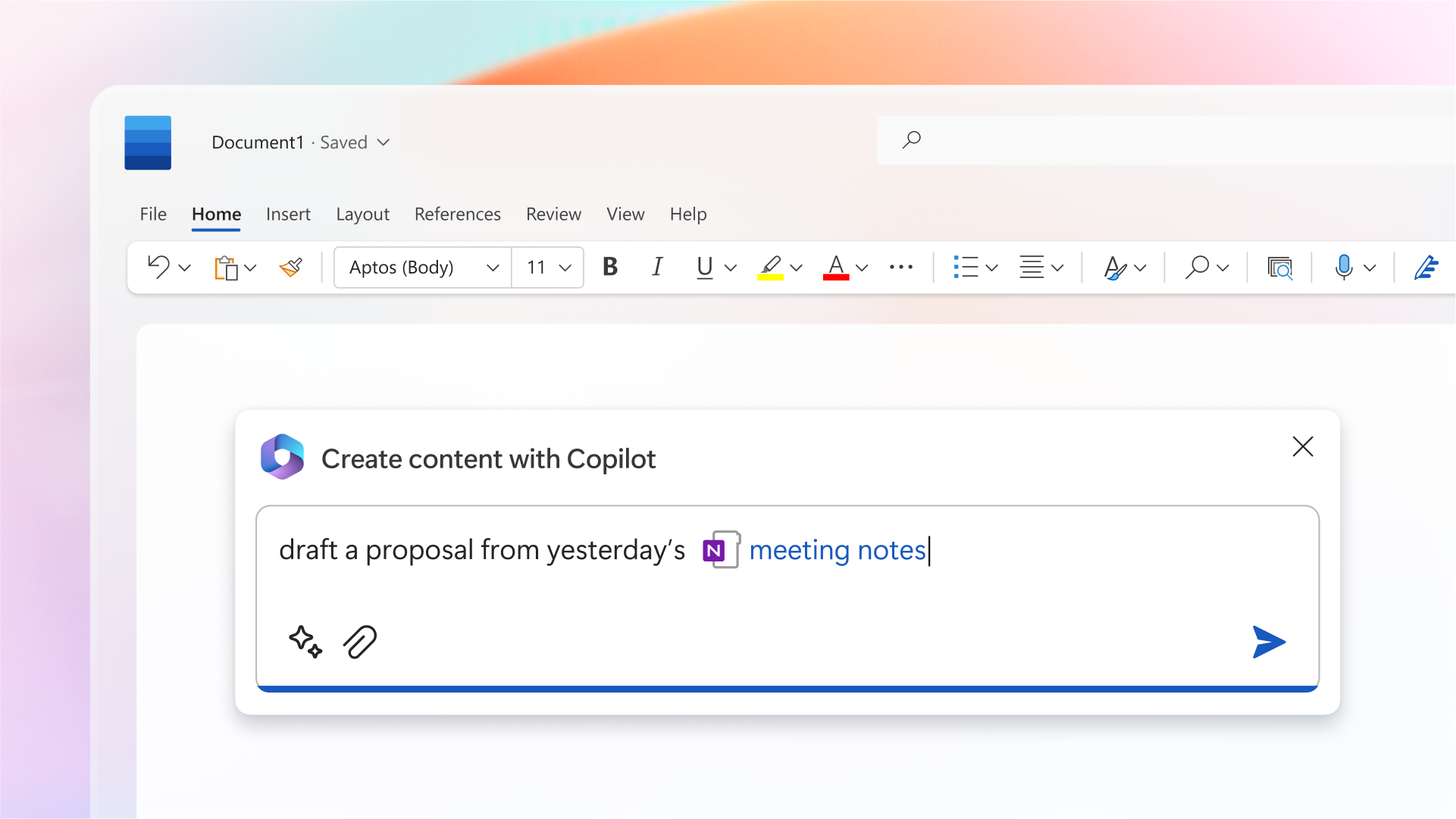
Microsoft continues to aggressively integrate Copilot into popular products like Windows 11, Outlook, Excel, and the Edge browser to realize this vision. The company’s ultimate goal is to create what Süleyman describes as a “humanist superintelligence.” This definition doesn’t refer to an AI that acts independently, but rather an assistant that helps the user when they are stuck. Süleyman also spoke clearly about security, emphasizing that they will not continue developing any system that behaves unpredictably or risks getting out of control.
At this point, while Google’s Gemini 3 aims to be the smartest, best data-processing, and most creative model; Microsoft wants Copilot to be a more grounded, always-present assistant. This clear distinction makes it easier for consumers to understand which model addresses which need, following years of abstract AI announcements. It seems the two giant companies are choosing to pursue their own paths by addressing the different needs of users.
Which AI assistant do you find more efficient for your daily tasks and research?
Your comment has been submitted,
it will be published after approval.