
Nvidia’s legendary graphics card has surfaced!

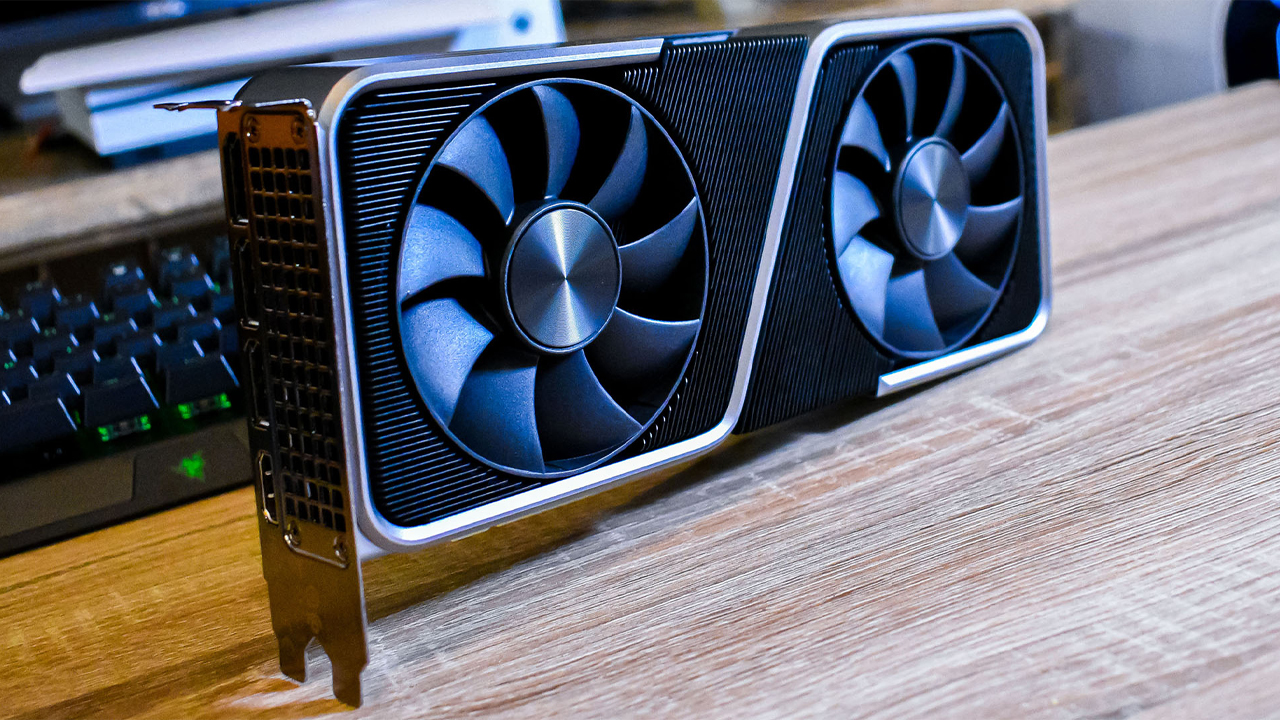
Nvidia’s TITAN Ada prototype, which was never commercially released but became legendary in the tech world, has resurfaced with a new example that surfaced in China. This new sample, much cleaner and closer to a mass-production form than the unit recently disassembled by the famous overclocking expert “der8auer,” proves that the card was not just a lab experiment but was actually designed as a final product ready for market release.
TITAN Ada Revealed
This graphics card, notable for its massive quad-slot capacity, pushes the boundaries of modern hardware engineering with its 48GB GDDR6X memory architecture and full-power AD102 graphics processor. With a total of 18,432 CUDA cores, this architecture represents the furthest point NVIDIA can reach in the Ada Lovelace generation.
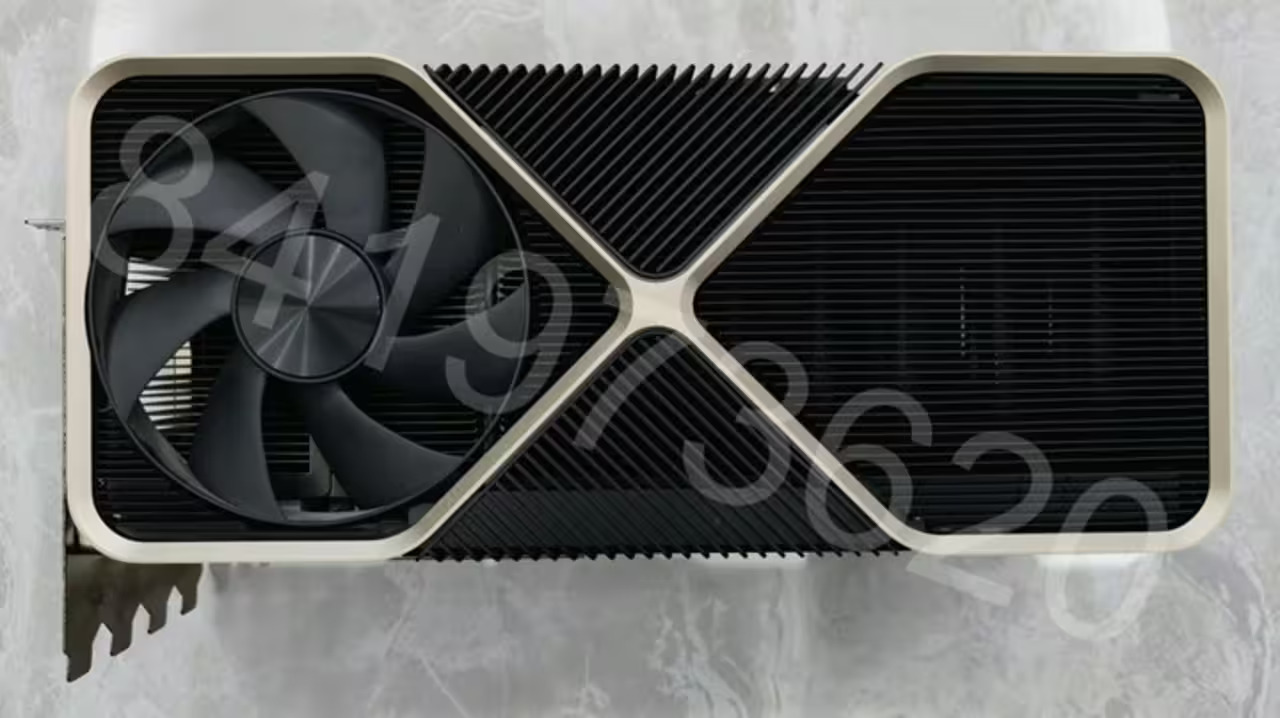
The most striking technical detail of the card is its 90-degree angled PCB layout, which overturns standard graphics card designs. The main circuit board containing the graphics processor and memory chips is positioned parallel to the motherboard, while the PCIe connection is provided via a separate daughter card.
This unique design aims to maximize cooling performance while also employing a unique method for power distribution. Instead of connectors mounted directly on the PCB, the card transfers power through copper conductors and contact pads integrated into the cooling block.
Equipped with two 16-pin (12VHPWR) power inputs, the TITAN Ada has an infrastructure specifically designed for power consumption scenarios up to 900W.
The craftsmanship in the mechanical details of this latest example, seen in China, and its stable operation with current drivers, reveal how close the project came to mass production before its cancellation. It is believed that the main reason Nvidia shelved this beast was potential market overlap with next-generation flagship models like the RTX 5090 and AMD’s inability to establish competitive pressure in the top segment.
Although it never made it to store shelves, the TITAN Ada, with its 24 memory packages and hybrid power delivery system, is recorded as one of the most complex and powerful engineering examples in GPU history.
Your comment has been submitted,
it will be published after approval.