
New Xiaomi SU7 Arrives with a 902 Km Range!

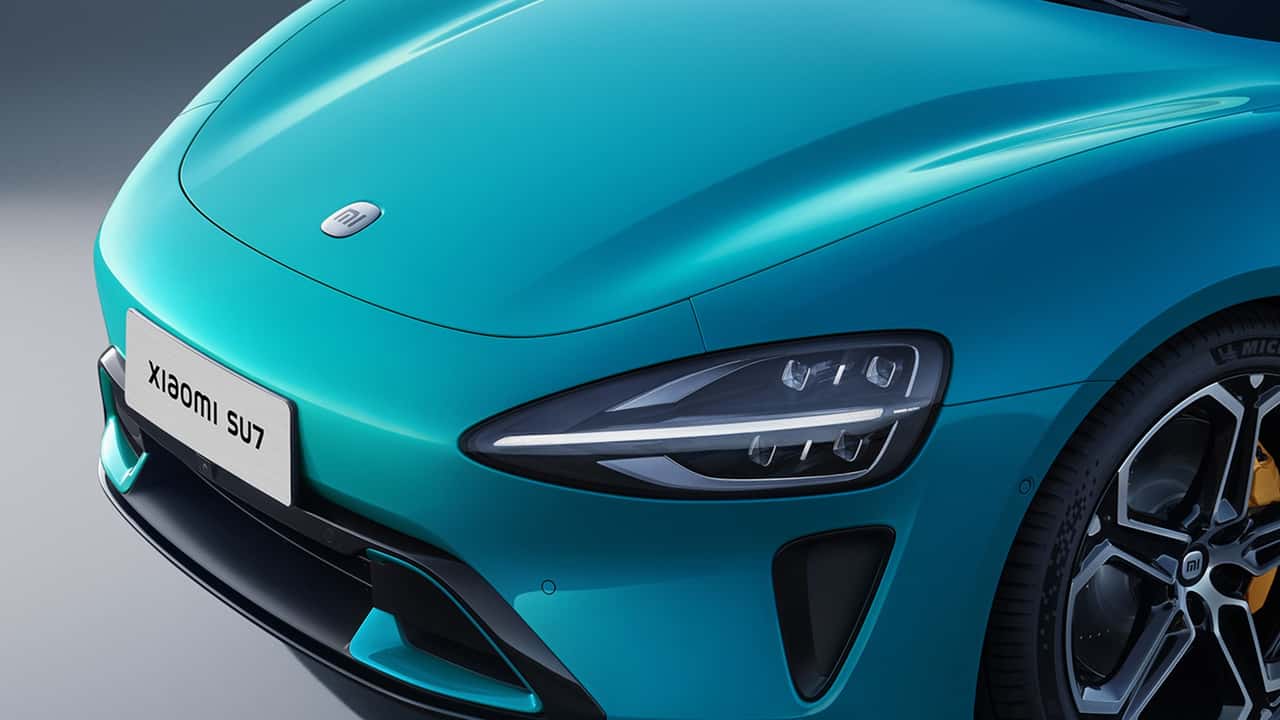
Xiaomi is moving at full throttle. Less than two years after the debut of its first electric vehicle, the company has executed a massive overhaul of the SU7. Following months of testing and high-profile leaks, the refreshed 2026 Xiaomi SU7 family is set to hit the roads following its official launch on March 19.
Let’s dive into the striking details of this next-generation beast that aims to rewrite EV standards.
Ending Range Anxiety: 902 Kilometers and Ultra-Fast Charging
The most standout detail in the refreshed SU7’s technical sheet is undoubtedly the battery and range optimization. Xiaomi confirmed that the new SU7 Pro model reaches a record-breaking range of 902 km (based on the CLTC standard). This is a revolutionary figure for long-distance drivers.
However, the real magic lies in the architectural shift under the hood. Xiaomi has completely phased out the older 400V technology used in entry-level models. The new series builds the Standard and Pro models on a minimum 752V architecture, while the flagship SU7 Max features a staggering 897V high-voltage platform.
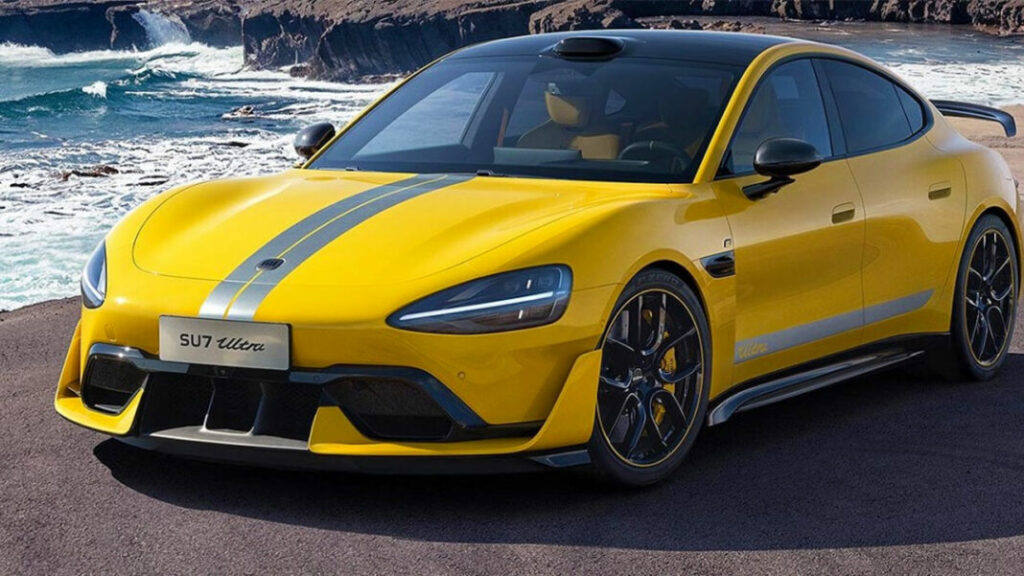
In practical terms, this means massive time savings: thanks to the high-voltage architecture, the SU7 Max can gain 670 km of range with just a 15-minute charge at a compatible fast-charging station. Essentially, your car will be nearly fully charged by the time you finish a cup of coffee.
No Compromise on Autonomous Driving: LiDAR is Now Standard!
With this update, Xiaomi is sending a clear message to rivals like the Tesla Model 3 and BYD. The expensive LiDAR sensor and 4D millimeter-wave radar, previously reserved for premium trims, are now standard and free of charge even on the base “Standard” model.
Furthermore, engineers have boosted the AI processing power to a massive 700 TOPS (Trillion Operations Per Second). Supporting the advanced “Xiaomi HAD” autonomous driving system, this infrastructure effectively turns the vehicle into a supercomputer on wheels.
Design Refinements and Pricing
While the iconic coupe-inspired silhouette remains, new exterior colors like “Capri Blue” and fresh interior options such as “Night Black” and “Cream Beige” have been added. Listening to user feedback, Xiaomi has designed a new two-tone steering wheel while maintaining the tradition of physical buttons in the cockpit for vital functions.
This significant hardware leap comes with a slight adjustment in pricing for the Chinese market:
- Standard Pack: 229,900 yuan (approx. $33,000)
- Pro Pack: 259,900 yuan (approx. $37,600)
- Max (Performance): 309,900 yuan (approx. $44,800)
The 2026 Xiaomi SU7 series proves that the future of automotive lies in deep software and electronic integration. Would the 902 km range be enough to make you switch to an EV? Share your thoughts in the comments!
Your comment has been submitted,
it will be published after approval.