
DoorDash Relies on Human Couriers for Autonomous Delivery Robots

DoorDash continues to integrate human labor into its autonomous delivery operations in Phoenix, as its Dot delivery robots still require significant manual assistance to function. Since September 2025, these Lidar and radar-equipped robots have been navigating local streets, yet they remain unable to load packages independently. To bridge this gap, the company has begun paying human drivers approximately 5 dollars per assignment to load restaurant orders into the robots. This pilot program highlights the persistent logistical hurdles facing autonomous delivery technology, as even highly advanced systems struggle with physical tasks that require human precision and oversight at the point of origin.
- DoorDash compensates drivers with 5 dollars to manually load packages into autonomous Dot robots.
- The pilot program currently operates in the Phoenix and Scottsdale regions to test logistical efficiency.
- Company officials state that human drivers remain a central component of the platform despite the rise of autonomous delivery.
- DoorDash is simultaneously developing drone delivery services following recent regulatory approvals from the Federal Aviation Administration.
Human Drivers Support the Robot Loading Process
The reliance on human intervention has created unique earning opportunities for gig workers in Arizona. In Mesa, drivers have been tasked with meeting the Dot robots at designated parking areas to transfer orders from restaurants. This process involves strict documentation, with drivers required to photograph each stage of the loading procedure to ensure quality control. While the task takes roughly five minutes, it provides a quick supplemental income stream for drivers participating in the pilot project.
The integration of human labor suggests that fully autonomous last-mile delivery remains a distant goal for the industry.
DoorDash executives have clarified that this hybrid approach is a strategic pilot designed to support local restaurants during peak hours. Rather than replacing human couriers, the initiative aims to utilize their dexterity for complex physical tasks that robots cannot yet master. By combining the navigation capabilities of the Dot robots with the reliability of human workers, the company hopes to refine its delivery ecosystem while keeping its workforce engaged.
Logistics Challenges Influence Future Technology Plans
Industry experts suggest that utilizing independent contractors for loading tasks may prove more cost-effective for restaurants than investing in complex, proprietary loading infrastructure. This trend of human-robot collaboration mirrors earlier developments in the autonomous vehicle sector, such as when Waymo tasked drivers with securing passenger doors. 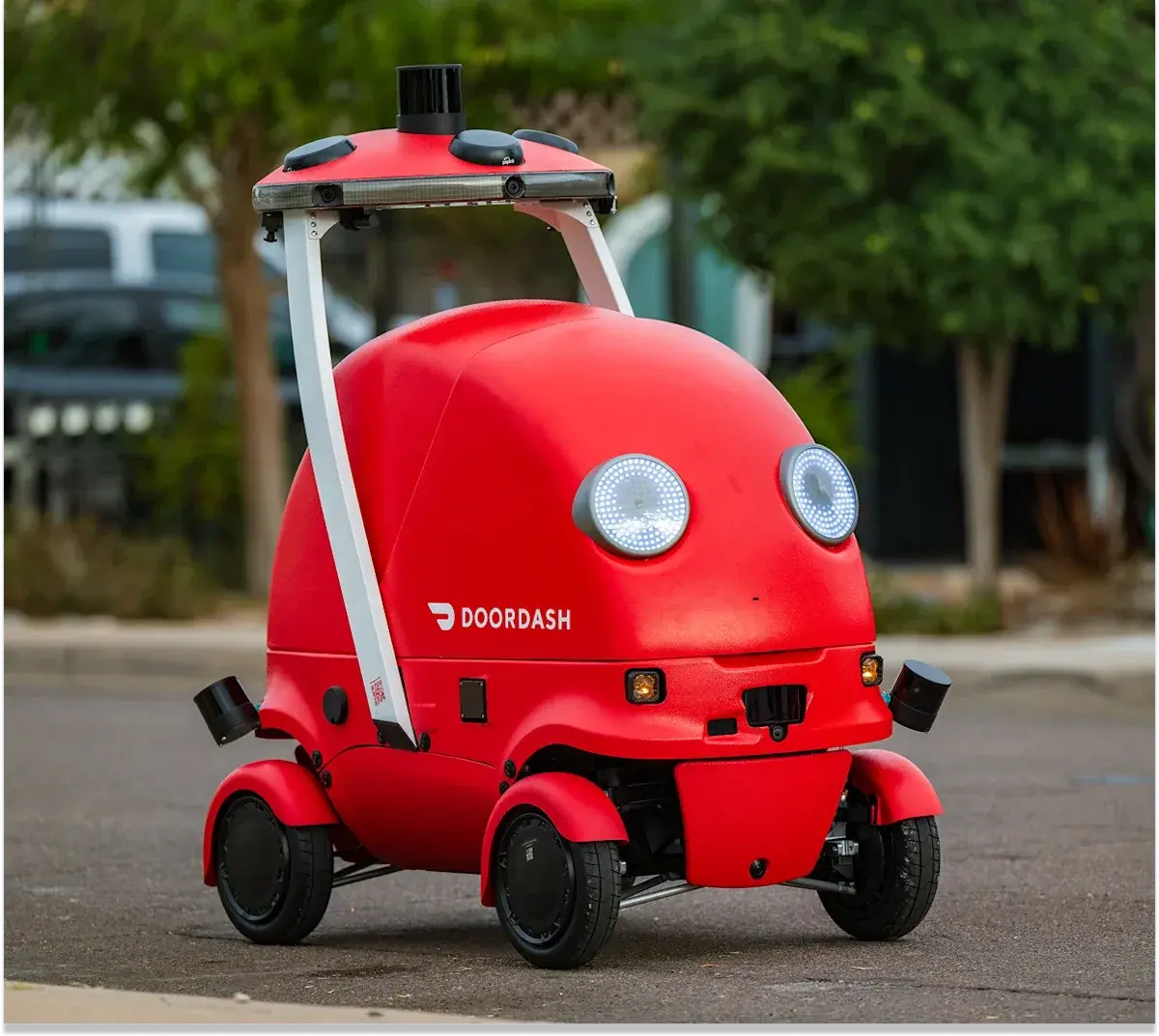
Beyond ground-based robots, the company is also looking toward the skies. With recent commercial approval from the FAA for its DoorDash Air service, the firm is shifting its focus toward the intricate logistics of drone operations. Company representatives acknowledge that the physical loading and local infrastructure integration represent significantly greater challenges than the drone flight technology itself. 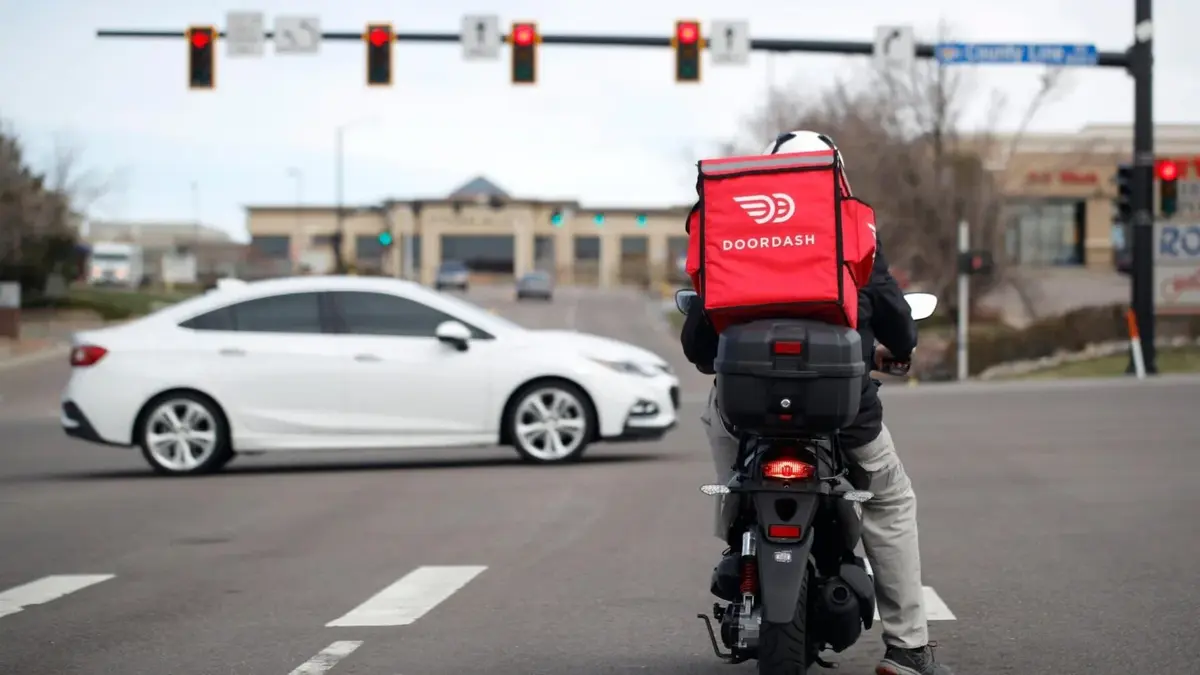
Real-time inventory management and local warehouse integration are identified as the primary bottlenecks for scaling drone services.
As DoorDash prepares to release further details on its aerial delivery roadmap later this year, the industry remains focused on how these systems will scale. The current reliance on human labor indicates that while the “last mile” is becoming increasingly automated, the “first mile”—the initial loading and inventory hand-off—requires a human touch to ensure accuracy and operational success.
We would love to hear your thoughts on this hybrid approach: Do you believe the necessity of human assistance for autonomous robots will hinder the widespread adoption of delivery technology, or is this simply a natural step in the evolution of logistics?
Your comment has been submitted,
it will be published after approval.