
Meta Smart Glasses Privacy Concerns Grow as Design Strategy Shifts

Meta is fundamentally shifting its hardware strategy as it prepares to move away from the Ray-Ban partnership to prioritize proprietary designs for its next generation of smart glasses. While the company claims this transition will allow for greater innovation, industry observers and privacy advocates are raising significant questions regarding whether Meta smart glasses violate user privacy. As the company attempts to balance advanced AI integration with public perception, the lack of robust, built-in security features remains a point of contention for regulators and consumers alike who remember the social backlash faced by previous wearable technologies.
- Meta is transitioning away from its long-standing Ray-Ban partnership to focus on in-house smart glasses designs.
- The company faces ongoing criticism regarding potential surveillance risks and the absence of hardware-level privacy protections.
- Meta CTO Andrew Bosworth advocates for a social learning process to normalize the presence of camera-equipped wearables in public spaces.
Meta Addresses Privacy Concerns Through Social Learning
The history of Meta regarding data privacy has created a skeptical environment for the adoption of its wearable devices. Critics frequently point to the company’s past struggles with facial recognition technology and the potential for these devices to facilitate unauthorized recording or harassment. 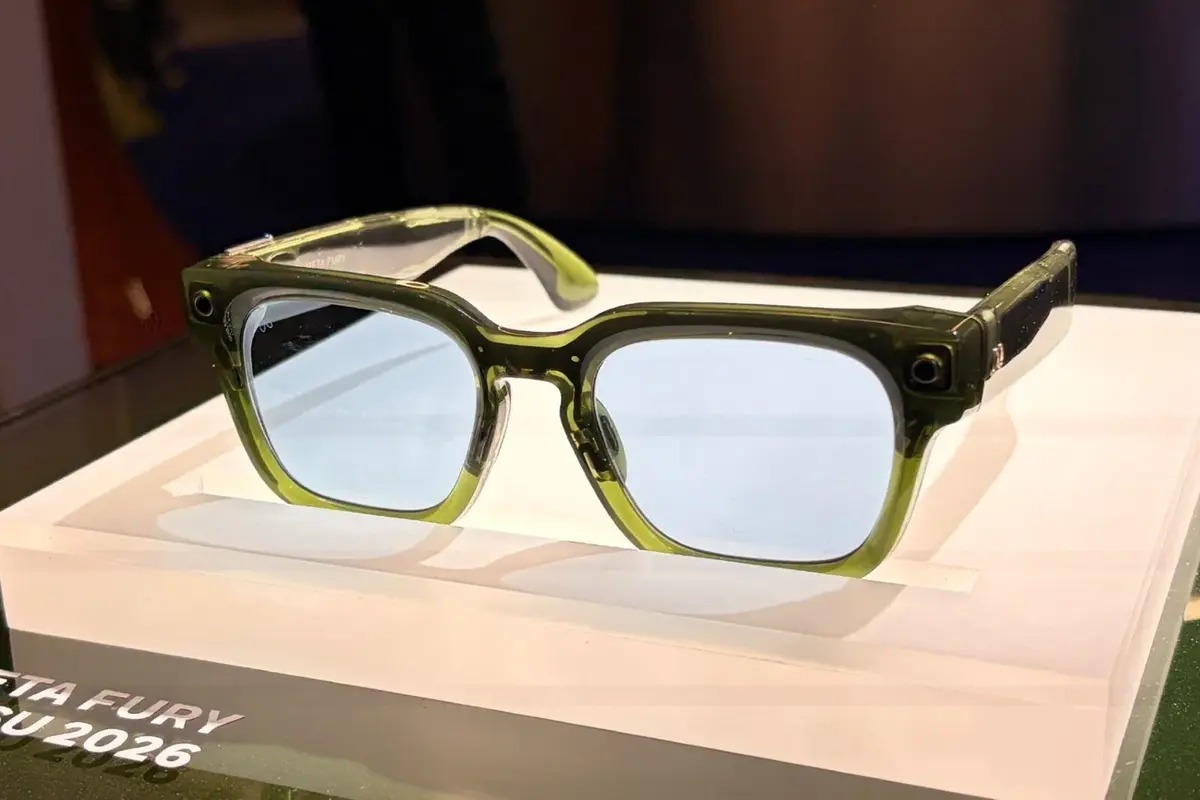
The tech giant insists that societal norms will shift to accommodate these devices much like they did with the introduction of smartphones.
Andrew Bosworth, the Chief Technology Officer at Meta, has framed this transition through the concept of social learning. He argues that the initial hesitation surrounding camera-equipped mobile phones eventually gave way to widespread societal acceptance. However, industry analysts remain cautious, noting that the failure of Google Glass in 2013 serves as a stark reminder that public sentiment is not easily swayed by technical specifications alone. Meta emphasizes that it is striving for transparency regarding device capabilities, yet it has not offered significant functional changes to address the core privacy anxieties of the general public.
Security Features Remain Under Scrutiny
Despite the strategic pivot in design, the underlying security architecture of the smart glasses has not seen a major overhaul. One of the most common criticisms involves the LED indicator lights, which are intended to alert bystanders that a recording is in progress. 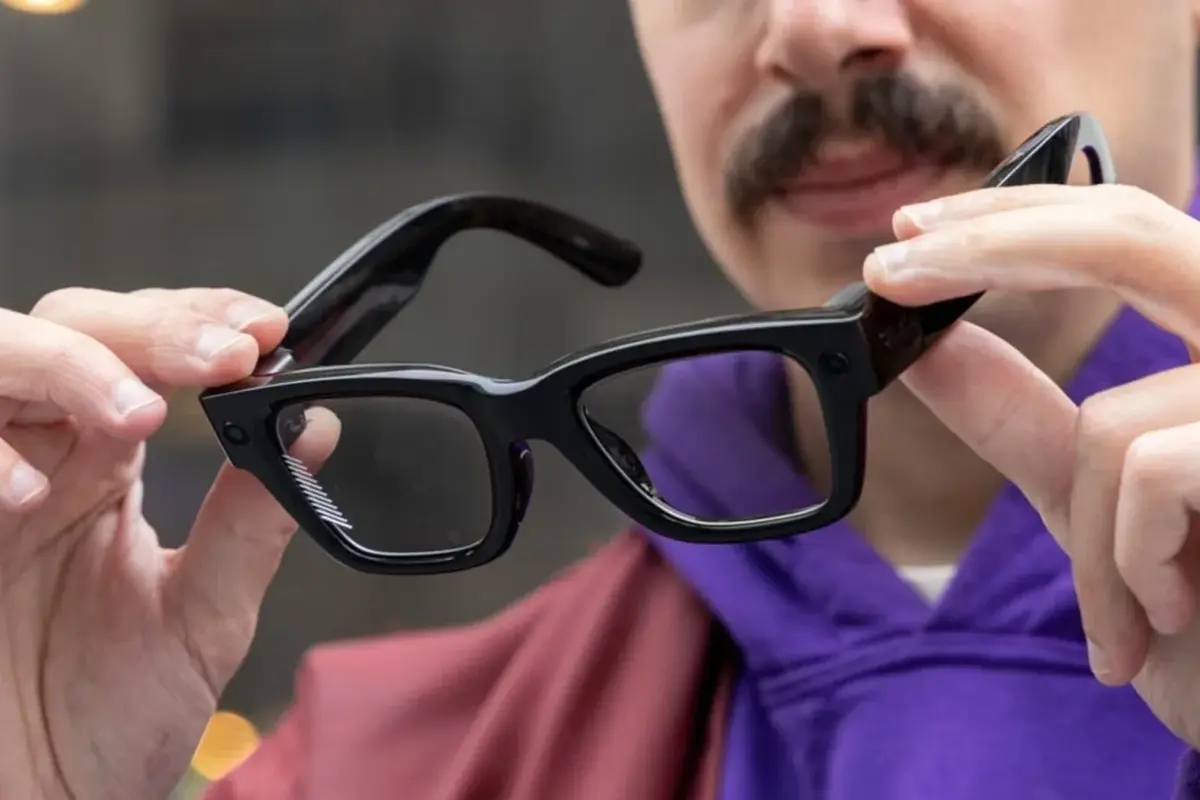
Technical experts have demonstrated that these indicator lights can be easily bypassed or obscured, effectively neutralizing the primary privacy safeguard.
Furthermore, the absence of physical camera shutters or hardware-level kill switches has led to accusations that Meta is offloading the burden of privacy responsibility onto its users. Without a commitment to more stringent data-handling policies or physical privacy limitations, the company appears to be relying on external pressure or future legal mandates to dictate its development path. The market remains divided on whether these measures are sufficient to protect the digital boundaries of citizens in increasingly connected environments.
We are curious to know your stance on this evolution of wearable technology. Do you believe Meta’s current approach provides enough protection, or should there be stricter regulations on how these devices record the world around us? Share your thoughts in the comments section below.
Your comment has been submitted,
it will be published after approval.