
CPU Coolers Evolve Into Sophisticated Mini Computers

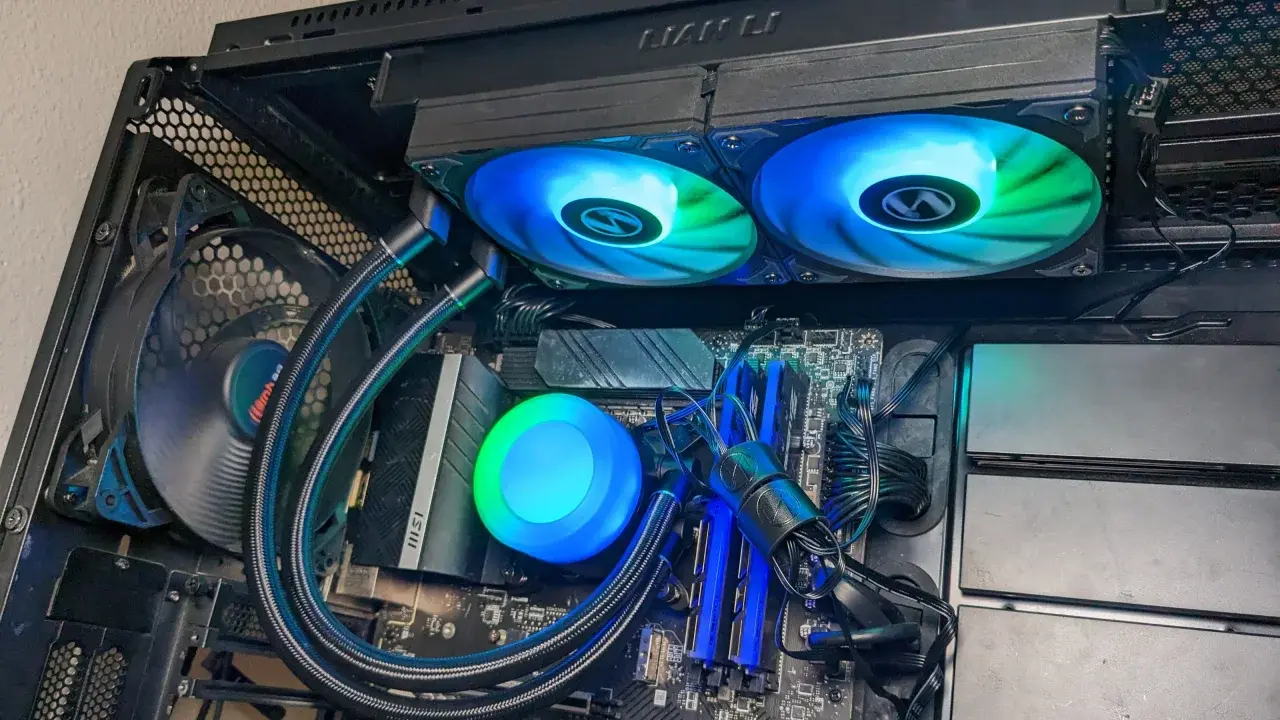
Modern All-in-One (AIO) liquid CPU coolers are undergoing a significant transformation, evolving from simple heat dissipation hardware into integrated, high-functioning mini computer systems. Leading manufacturers like ASUS, JONSBO, and Antec are now incorporating large, high-resolution displays, dedicated microcontrollers, and advanced telemetry software directly into the cooling blocks. These sophisticated devices, which have emerged throughout 2024, move beyond mere temperature monitoring to offer multimedia playback and customizable animation features. By integrating these complex computing components, today’s CPU coolers are redefining the aesthetic and functional standards expected within high-performance PC building ecosystems.
- Manufacturers are integrating dedicated microcontrollers with independent memory and storage into AIO cooling blocks.
- New cooling systems now feature large, high-resolution AMOLED and IPS displays capable of streaming high-definition video.
- Advanced telemetry and RGB control software allow users to monitor system performance through these proprietary interfaces.
Cooling Blocks Now Contain Independent Computing Hardware
The transition from simple metal heat sinks to intelligent devices is marked by the inclusion of powerful processing units. For instance, the ASUS ROG Strix LC IV series showcases this trend by offering a 6.67-inch curved AMOLED display, which boasts a resolution of 2400 x 1080 pixels. To manage these visuals and real-time data, these units utilize embedded microcontrollers (MCUs) that function as standalone computers. 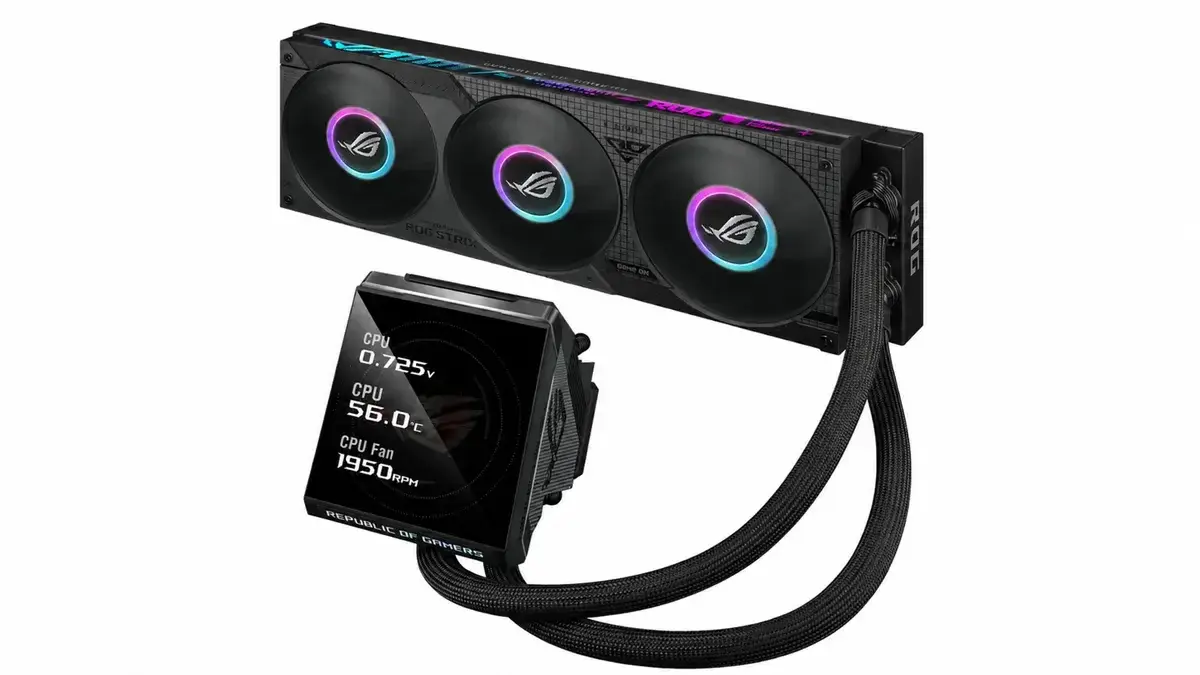 These chips handle complex tasks such as rendering animations and processing telemetric data, effectively operating independently from the main motherboard interface.
High-end cooling units have evolved into independent data processing centers within the PC chassis.
Hardware Manufacturers Compete Through Aesthetic Innovation
The market for liquid cooling has shifted toward a blend of performance and visual customization. Companies are no longer solely focused on thermal management, as they now prioritize the integration of digital displays that appeal to enthusiast builders. JONSBO has introduced the TM-280 model, featuring a 3.95-inch IPS screen that supports GIF and MP4 playback for system monitoring. Similarly, Antec has entered the high-end segment with the Vortex View 360, which provides a rotatable 5-inch IPS screen with 1280 x 720 resolution.
Technical complexity is increasing as companies implement proprietary communication protocols for these displays. ASUS has pioneered a wireless solution that relies on specialized contact points on the motherboard for power and data transmission. While these features add to the total build cost, they provide users with unprecedented control over their system’s visual output and internal environment monitoring.
Technological advancements ensure that thermal performance remains a priority alongside sophisticated digital displays.
Thermal Management Standards Continue to Rise
Despite the focus on screens and software, manufacturers continue to improve the core heat dissipation capabilities of their products. Enhanced pump speeds and specialized fan configurations are standard in the latest flagship models. Some designs now incorporate additional small fans to ensure that voltage regulator modules (VRMs) remain within safe operating temperatures during heavy workloads. As these systems support higher Thermal Design Power (TDP) ratings, such as the 285W capacity found in certain JONSBO units, the importance of reliable hardware communication becomes paramount for long-term system stability.
As these cooling systems become increasingly complex, we invite you to share your thoughts in the comments section: Do you believe these large, feature-rich displays offer genuine utility, or are they merely a visual trend for PC enthusiasts?
Your comment has been submitted,
it will be published after approval.