
DeepMind and OpenAI Call for Global AI Regulation Body

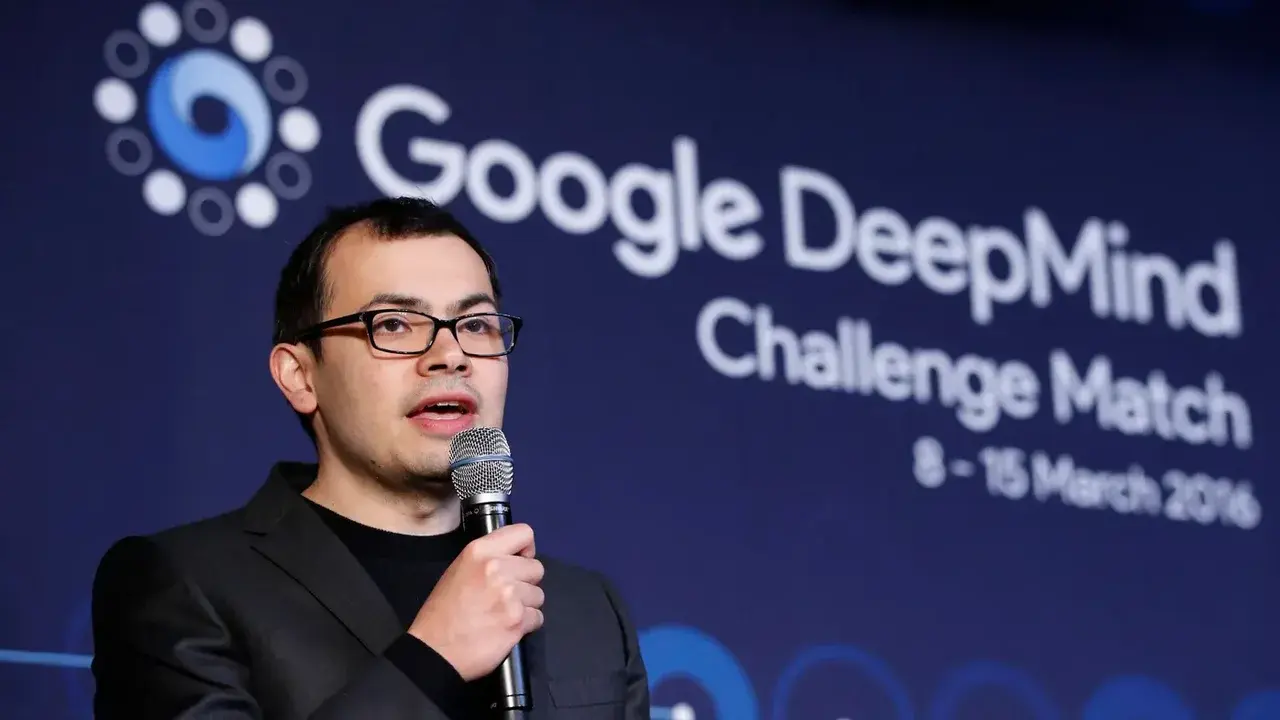
DeepMind CEO Demis Hassabis has officially proposed the establishment of a global regulatory body to oversee the rapid advancement of artificial intelligence (AI) models and mitigate associated systemic risks. In a recent blog post, the Google executive outlined a vision for an international framework that ensures safe development practices, a call that has garnered significant support from OpenAI CEO Sam Altman. The initiative arrives at a critical juncture in the tech industry, as leaders seek to establish standardized safety protocols that balance innovation with responsible oversight of powerful, emerging generative technologies on a global scale.
- DeepMind and OpenAI executives advocate for a global regulatory framework to manage artificial intelligence risks.
- The proposed model mirrors existing financial regulatory institutions to ensure transparency and accountability.
- Regulatory authorities would have the power to halt the release of high-risk AI models to prevent societal harm.
The United States Leads the Proposed Regulatory Framework
Hassabis argues that the United States is uniquely positioned to spearhead this global initiative, citing the nation’s unparalleled economic and technical infrastructure. By leveraging its leadership position, the U.S. could foster an environment where international standards are not only set but effectively enforced. This proposed entity would function similarly to established financial regulatory bodies, providing a structured approach to the governance of code-based intelligence rather than strictly monetary assets.
The proposed regulatory body will integrate independent experts and open-source community representatives to guarantee democratic and transparent decision-making processes.

By incorporating diverse perspectives from both the private sector and the academic research community, the organization aims to build a comprehensive safety net. This collaborative structure is intended to prevent the monopolization of safety standards and ensure that the global community remains protected against potential misuse or unintended consequences of advanced neural networks.
Strict Evaluation Processes Ensure Model Safety
The core function of the proposed institution involves a rigorous evaluation phase for all advanced AI models before they reach public deployment. This mandatory safety check serves as a gatekeeper, ensuring that developers adhere to stringent ethical and technical standards before their products hit the market. If a model is deemed too volatile or insufficiently tested, the agency would possess the authority to coordinate a temporary slowdown across the industry.
This strategic pause would allow developers to resolve critical security vulnerabilities and ethical concerns before proceeding with commercial releases.
Such measures are designed to preemptively address potential dangers, such as the spread of misinformation, algorithmic bias, or the accidental release of harmful capabilities. As the discourse surrounding artificial intelligence governance continues to intensify, the industry finds itself at a crossroads regarding how much restriction is necessary to foster long-term growth without compromising safety. Hassabis’s proposal serves as a catalyst for a necessary global conversation about the future of machine intelligence regulation.
As the conversation surrounding the governance of emerging technologies gains momentum, we invite you to share your perspective on whether a centralized global body is the best way to ensure the safe development of these tools, so please leave your thoughts in the comments section below.
Your comment has been submitted,
it will be published after approval.